

Art Blog

Not all frames are created equal, especially when it comes to the unique needs of fresco art. Because lime plaster is heavy, porous, and chemically active, it requires specialized framing solutions like deep shadow boxes or structural open-back cradles. Discover the museum-standard frames that allow your fresco to breathe while providing the structural support it needs to last for centuries. Learn which frames to avoid and how to highlight the raw, stone-like beauty of your artwork.

Hahnemühle paper is the world-renowned standard for museum-quality art, but its delicate fibers require a specialized approach to framing. From the chemistry of "acid migration" to the engineering of "T-hinge" mounting, learn how to protect your investment with professional archival techniques. Discover the essential materials that prevent yellowing and how to create a "breathing" frame environment that ensures your fine-art prints last for centuries.
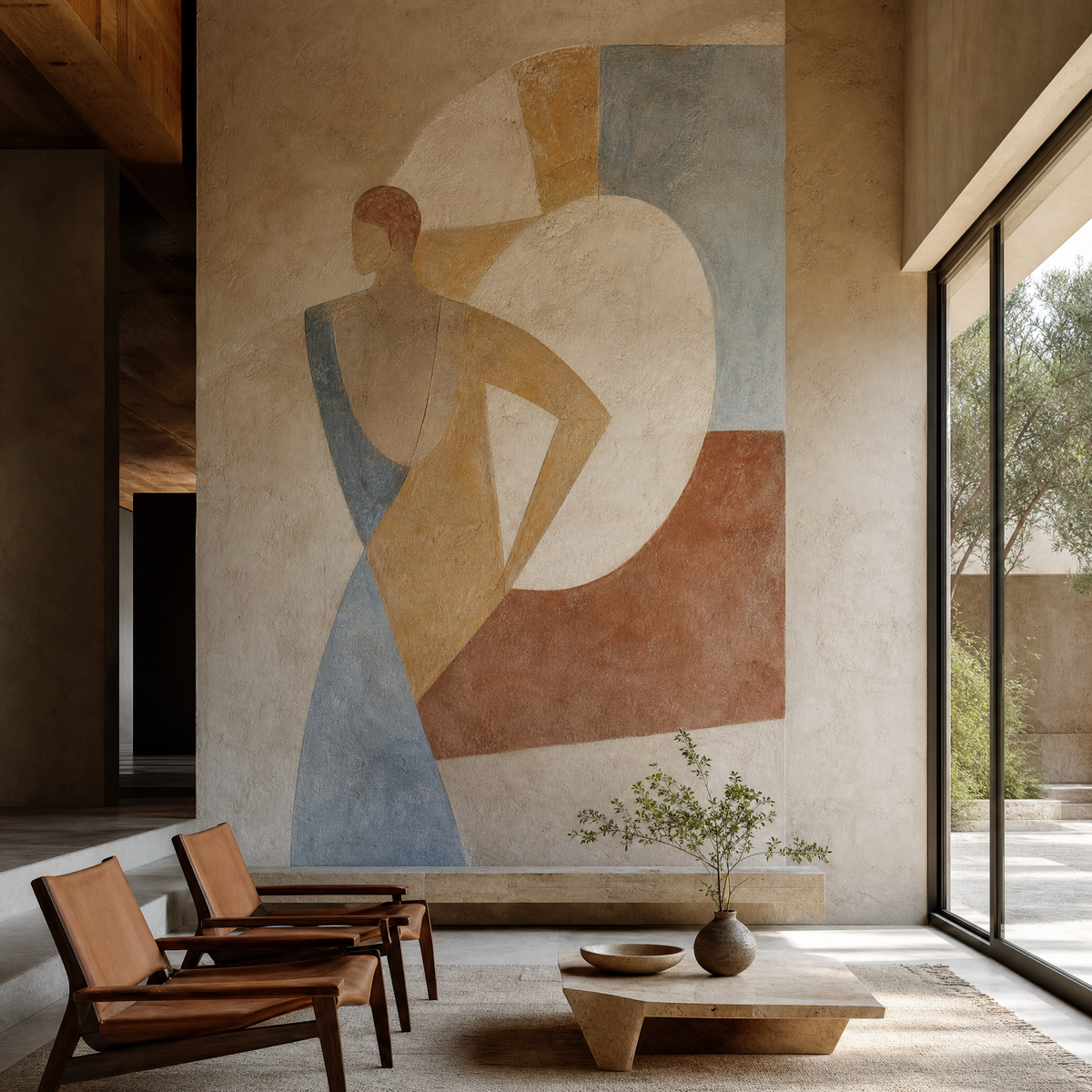
Why Fresco Is Returning in Sustainable Architecture
Fresco is making a massive comeback, but not just in museums. Modern architects are turning to this ancient "wet plaster" technique as a secret weapon for sustainable, green building design. Discover how the mineral chemistry of lime and earth pigments creates a VOC-free, carbon-absorbing wall finish that regulates humidity and lasts for centuries. Explore why the future of eco-friendly architecture is being built on the foundations of the past.
Read moreabout Why Fresco Is Returning in Sustainable Architecture
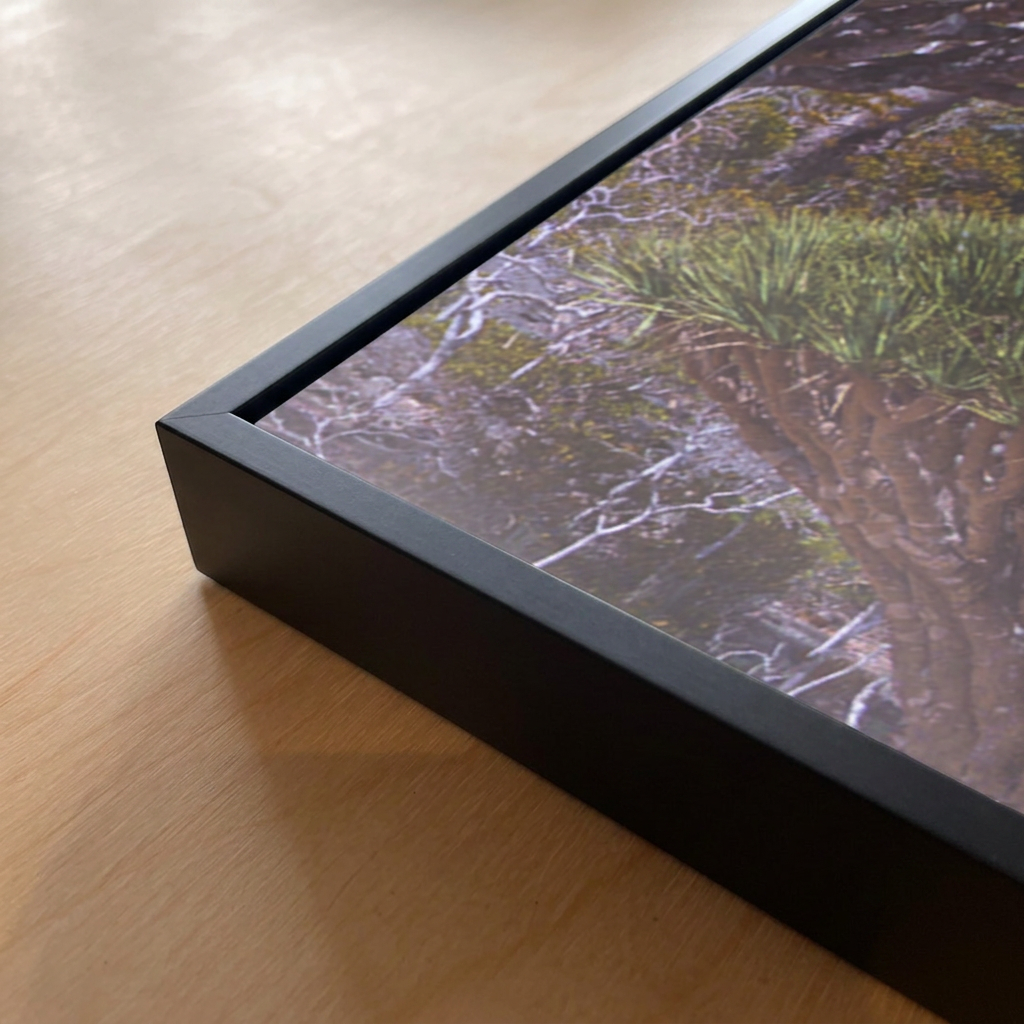
Framing Frescoes: Choosing the Right Frames and Installation Methods for Long-Lasting Preservation
Framing a fresco is a high-stakes balance between aesthetics and engineering. Because a fresco is a heavy, porous mineral "skin" rather than a canvas, traditional framing methods can actually cause permanent damage. From the necessity of deep shadow boxes to the chemistry of acid-free mounting, learn the museum-standard techniques for displaying and protecting your fresco art. Discover how to create a display that lets your masterpiece breathe while keeping it structurally sound for centuries.
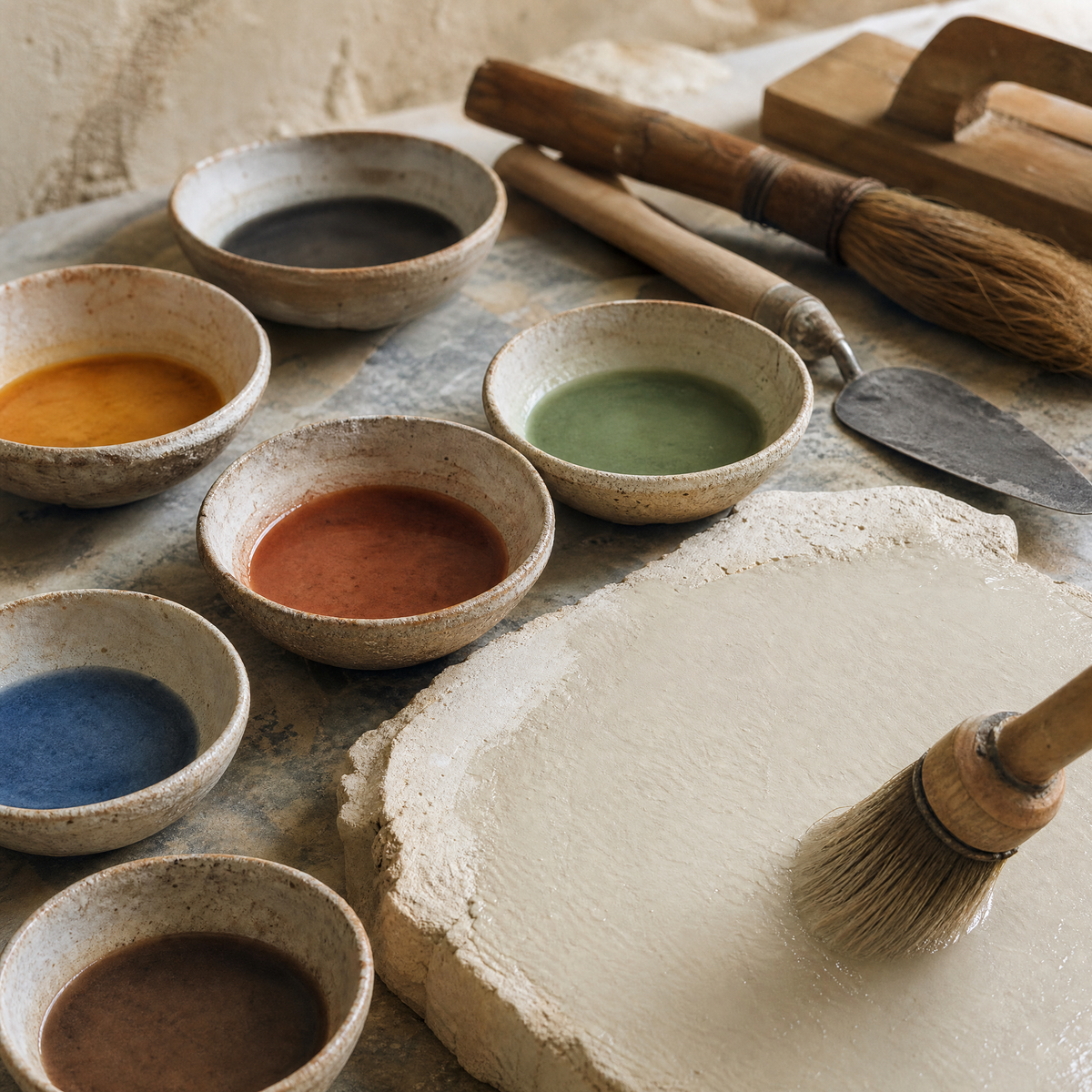
The Materials of Fresco: Lime Plaster, Pigments, and Tools
Fresco painting is a masterclass in the intersection of art and science. Beyond the beautiful imagery lies a complex world of high-heat calcination, calcium hydroxide reactions, and the specific chemistry of mineral pigments. Explore the raw materials—from limestone and lapis lazuli to traditional trowels—that transform a simple wall into an enduring historical archive. Learn why the "Lime Cycle" is the secret to art that doesn't just sit on a wall, but becomes part of it.
Read moreabout The Materials of Fresco: Lime Plaster, Pigments, and Tools
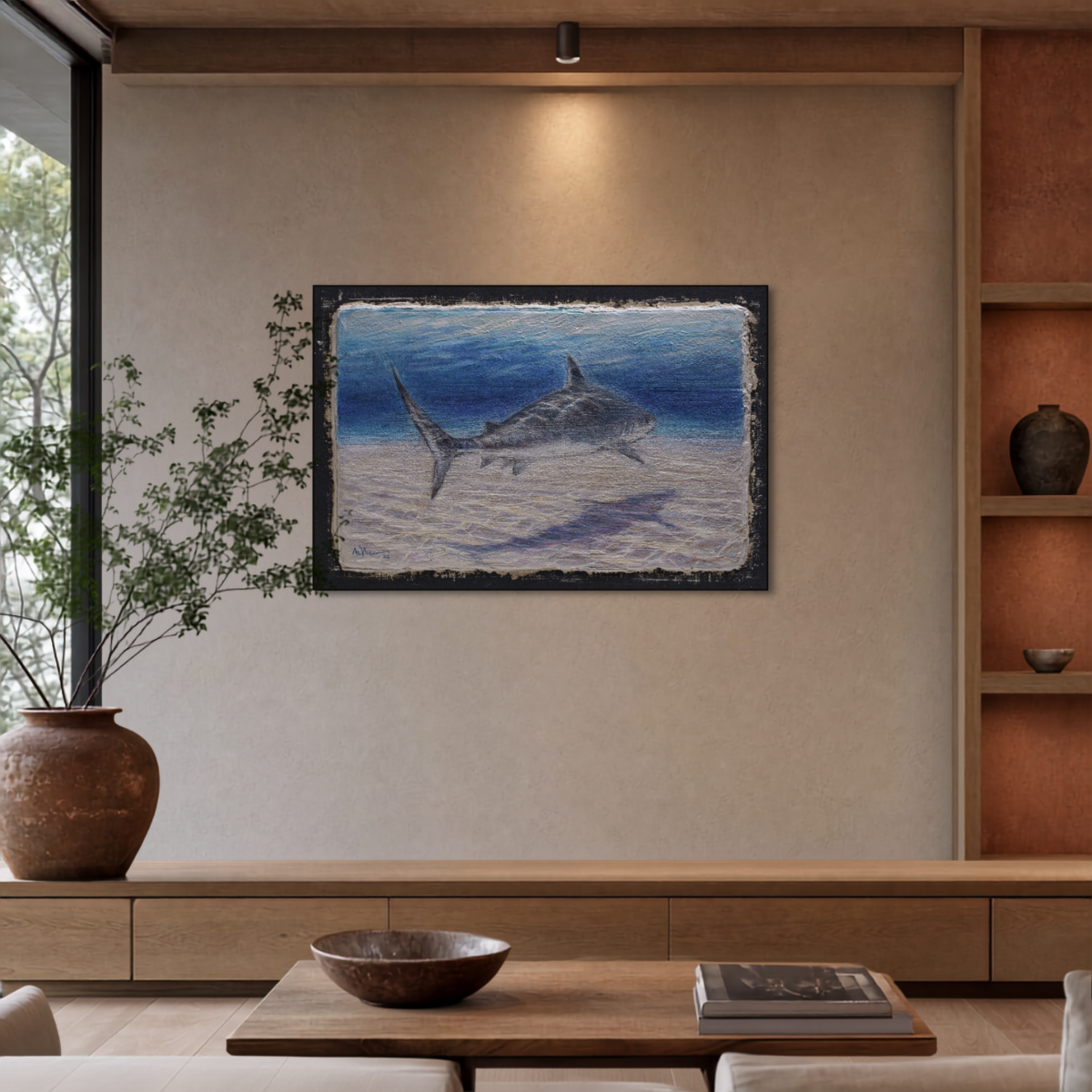
How Fresco Painting Works: Step-by-Step Process Explained
Go behind the scenes of one of history’s most challenging artistic mediums. From the chemical reaction of carbonation to the precision of the "giornata," discover the step-by-step craftsmanship required to turn wet plaster and mineral pigments into eternal masterpieces. This guide explores the intricate layers—Arriccio, Sinopia, and Intonaco—that allow fresco paintings to breathe and endure as part of the very walls they adorn.
Read moreabout How Fresco Painting Works: Step-by-Step Process Explained
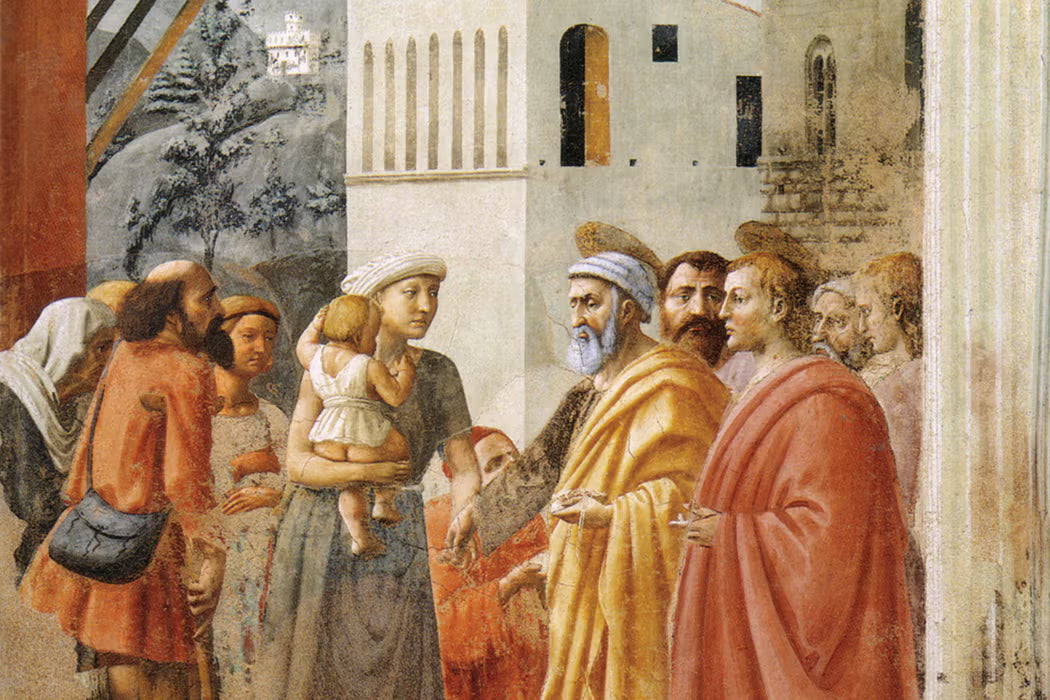
Buon Fresco vs Fresco Secco: Understanding the Key Differences in Mural Techniques
Is it "True" or is it "Dry"? The world of fresco is divided into two primary techniques: the stone-hard permanence of Buon Fresco and the detailed flexibility of Fresco Secco. Discover the chemical secrets that allow Renaissance masterpieces to survive for 500 years, why some pigments "burn" in wet plaster, and how modern artists combine these two ancient methods to create murals that are both visually stunning and structurally immortal.
Read moreabout Buon Fresco vs Fresco Secco: Understanding the Key Differences in Mural Techniques
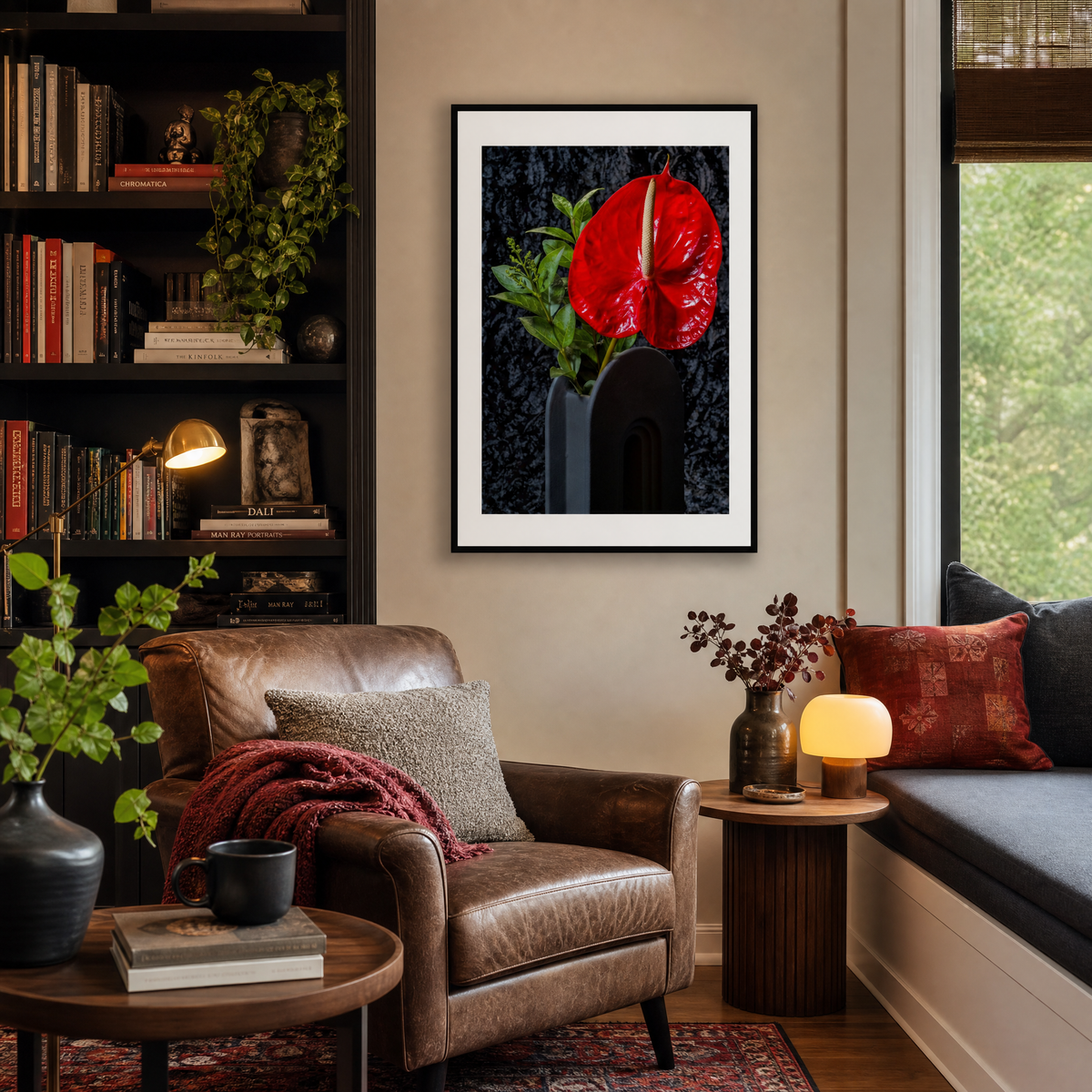
At Gito Art, flowers become more than beautiful forms. Combined with the textures of buon fresco, they explore memory, transformation, fragility, and the passage of time through a timeless yet contemporary artistic language.
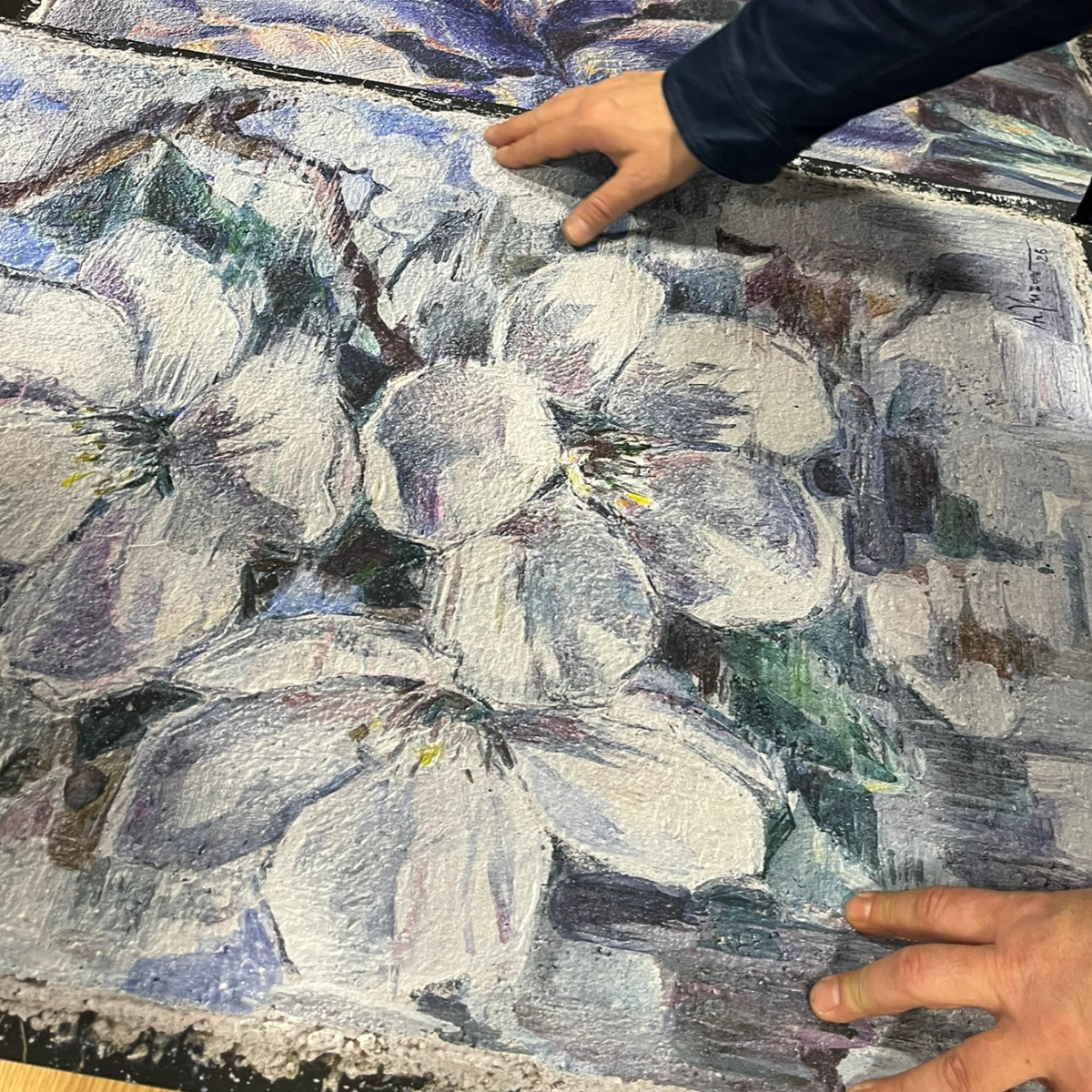
Fresco Studies on Paper: Using Hahnemühle for Cartoons and Color Tests
Master the art of fresco with paper studies on Hahnemühle. Perfect for cartoons, color tests, and technique practice—safe, precise, and archival-quality.
Read moreabout Fresco Studies on Paper: Using Hahnemühle for Cartoons and Color Tests