

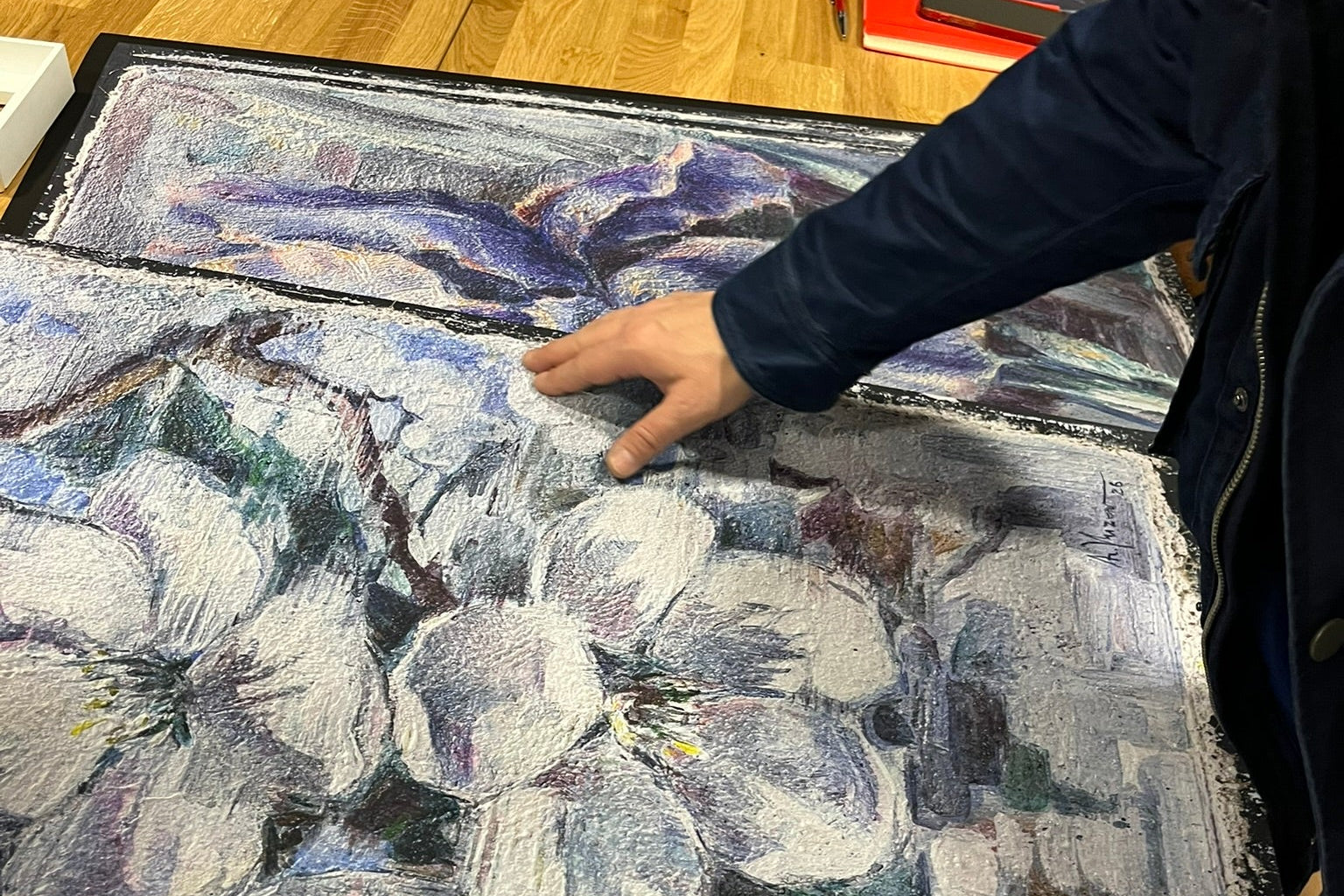
Imagine walking into a room where the walls themselves tell a story — not just through images, but through the very materials that make the artwork part of the building. This is the magic of fresco. Unlike paintings on canvas, frescoes are integrated into walls and ceilings, creating art that is simultaneously structural, chemical, and visual. Understanding the materials of fresco — lime plaster, mineral pigments, and the tools used to apply them — is essential for appreciating why these works have endured for centuries.
Lime Plaster — The Foundation of Fresco
How Lime Plaster Is Produced
Lime plaster is the core medium for fresco painting. Its production begins with limestone (CaCO₃), which is heated to approximately 900°C in a process called calcination. This produces quicklime (CaO), which is then slaked with water to form calcium hydroxide (Ca(OH)₂), a creamy paste. Fine sand is added to provide texture and stability.
The final chemical process, carbonation, occurs after application: the wet plaster reacts with carbon dioxide from the air to reform calcium carbonate. This reaction locks the pigments into the wall, making frescoes more durable than surface-applied paint.
Environmental Considerations
The quality and longevity of lime plaster depend on several environmental factors:
-
Humidity: Excessive moisture can delay carbonation, while too little may prevent proper chemical bonding.
-
Temperature: High heat accelerates drying, which can make the plaster brittle.
-
Pollution: Acidic rain or airborne chemicals in urban environments can erode lime surfaces over time.
Pigments — Color That Stands the Test of Time
Mineral Pigments
Fresco painters historically used minerals and earths because of their chemical stability in the alkaline environment of lime plaster. Common examples include:
-
Ochres: Yellow, red, and brown shades derived from iron oxides.
-
Azurite and Ultramarine: Blues from copper carbonate and lapis lazuli.
-
Malachite: Green copper-based minerals.
-
Carbon black: Produced from soot or charcoal.
Chemistry and Durability
In buon fresco, pigments are applied to wet plaster. As carbonation occurs, the pigments chemically bond with the wall. By contrast, fresco secco—where pigments are applied to dry plaster using binders like egg or oil—is less durable because the paint sits on the surface rather than becoming chemically fixed.
Regional Variations
Different regions used local mineral resources, creating unique color palettes:
-
Italy: Reds and yellows from local iron oxides; blues from imported lapis lazuli.
-
Mexico: Bright natural pigments like indigo and cochineal used by muralists like Diego Rivera.
-
Ethiopia: Earth tones derived from natural ochres for the Lalibela rock churches.
Tools — From Traditional to Modern
Traditional Fresco Tools
Creating fresco requires precision and timing. Artists traditionally relied on:
-
Trowels: For spreading and shaping plaster evenly.
-
Floats: For smoothing the surfaces.
-
Brushes: Made from natural fibers to hold mineral pigments effectively.
-
Cartoons: Preparatory sketches used for transferring designs onto wet plaster.
Modern Innovations
Today, fresco artists and restorers use updated tools while maintaining traditional integrity:
-
Synthetic brushes: For greater control and longevity.
-
Mechanical mixers: For consistent plaster preparation.
-
Monitoring equipment: To track humidity and temperature for ideal curing conditions.
Why Understanding Fresco Materials Matters
Mastery of materials is just as important as artistic skill. For artists, knowledge of plaster chemistry ensures vibrant, durable works. For restorers, understanding pigment-plaster interactions is critical for safe conservation. For historians, material analysis helps date frescoes and trace regional styles.
Practical Tips for Working with Fresco Materials
-
Mix lime plaster carefully: Consistency affects both pigment absorption and curing.
-
Select mineral pigments wisely: Avoid synthetic dyes that may react poorly with alkaline plaster.
-
Work in manageable sections (giornate): Timing is critical to ensure the chemical bond forms correctly.
-
Control environmental conditions: Monitor humidity and airflow during the drying process.
-
Conserve properly: Avoid aggressive cleaning; use breathable protective coatings for historical works.
Where art meets science
Fresco painting is where art meets science. Each work is a testament to human ingenuity and the seamless blend of chemistry and creativity. By mastering these materials, we ensure that frescoes remain vibrant and inspiring for centuries to come.
How Fresco Painting Works: Step-by-Step Process Explained
Framing Frescoes: Choosing the Right Frames and Installation Methods for Long-Lasting Preservation