

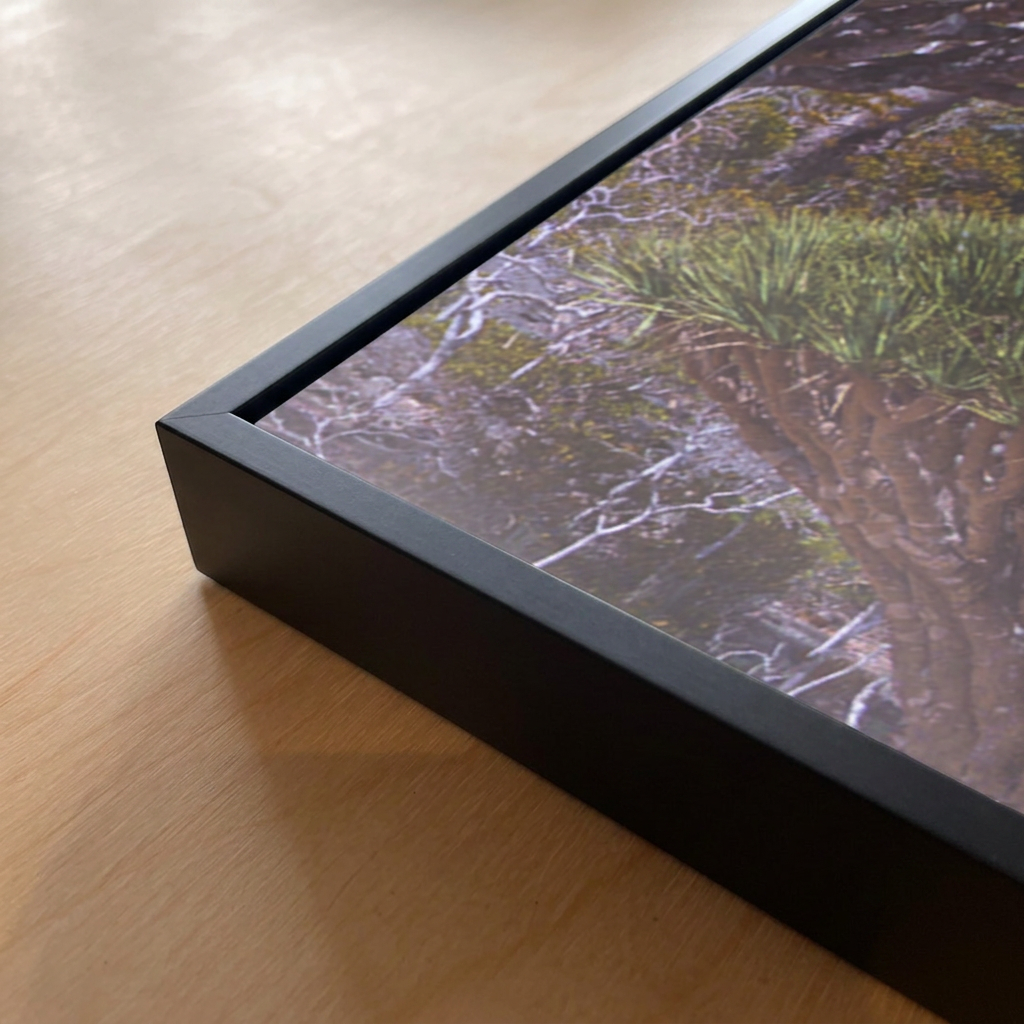
Fresco painting, whether a salvaged ancient fragment, a Renaissance-era masterpiece, or a cutting-edge contemporary panel, presents one of the most distinctive and demanding conservation challenges in the fine art world. Unlike a painting on canvas, paper, or wood, a fresco is not a surface coating—it is a geological event. Through the chemical process of carbonation, pigments fuse with wet lime plaster to form a thin mineral "skin" that possesses the hardness of stone but the structural vulnerability of a thin ceramic shell.
Because frescoes were originally engineered to be permanent fixtures of architecture, removing them from their intended walls introduces a host of risks. Their survival as "portable" art depends entirely on the choices made by collectors and framers. This guide serves as a comprehensive reference for protecting and displaying these mineral treasures, ensuring that their material integrity is respected through advanced framing and mounting techniques.
The Physics and Chemistry of Fresco Preservation
Before selecting a frame, one must respect the unique physical properties of fresco. These characteristics dictate every aspect of the display strategy:
Crystalline Pigment Fusion
Fresco pigments are not held in place by a binder like oil or acrylic polymer. Instead, they are trapped within the crystalline lattice of calcium carbonate. This creates a surface that is completely matte and highly porous. Because there is no protective "film" over the pigment, the surface cannot be cleaned, wiped, or touched without risking permanent pigment loss. Any frame design must prioritize a "no-touch" zone around the artwork.
Weight and Structural Load
A traditional fresco consists of multiple layers of lime and sand plaster. Even a detached fragment can be incredibly heavy, often weighing five to ten times more than a canvas of the same size. Modern detached frescoes are often backed with heavy materials like cement or reinforced resin. This means the frame cannot be purely decorative; it must be a structural component capable of supporting significant shear force and preventing the plaster from bowing or cracking under its own weight.
The Essential "Breathability" Factor
Lime plaster is a living, breathing material. It naturally regulates its moisture content by exchanging air with its environment. If a fresco is sealed too tightly in a frame, moisture can become trapped. This leads to efflorescence—the migration of salts to the surface which manifests as white, crusty deposits that can obscure the image and physically push the pigment off the wall. Ventilation is not an option; it is a requirement.
Advanced Framing Solutions for Fresco Art
The Professional Shadow Box (Depth and Airflow)
The shadow box is the most reliable method for framing detached fresco panels. By creating a deep recess (typically 5–10 cm), you provide the necessary volume of air for the plaster to remain stable.
-
The Spacer Advantage: Spacers are used to keep the glazing far away from the plaster. This prevents the "greenhouse effect" where moisture condenses on the glass and drips onto the artwork.
-
Materials: Hardwoods like oak, maple, or walnut are preferred for their density and ability to hold heavy mounting hardware without warping.
Museum-Grade Open-Back Cradle Systems
For exceptionally large or heavy works, museums often move away from traditional frames in favor of cradles. A cradle is an internal skeleton made of aluminum or kiln-dried hardwood that is bonded to the back of the fresco support. This skeleton bears the entire weight of the piece, allowing the outer frame to remain purely aesthetic. This system ensures that the edges of the plaster never touch the frame, preventing crumbling.
The Modern "Float" Mount
In contemporary art, the raw, deckled edge of the plaster is often part of the aesthetic. A float frame allows the fresco to sit away from the edges of the frame. This not only highlights the material beauty of the lime but also ensures that the corners—the most fragile part of any fresco—are never under pressure.
Materials Science: What to Avoid
Because fresco is a highly alkaline mineral, it is chemically sensitive to its surroundings. Many common framing materials are actually toxic to fresco over long periods:
-
Acidic Wood and Paper: Standard cardboard or cheap MDF backing can cause "acid burn" on the back of a fresco, leading to structural delamination. Only pH-neutral, archival materials should come near the plaster.
-
Off-Gassing Polymers: Certain softwoods (like pine) and synthetic resins release volatile organic compounds (VOCs). In a confined frame, these gases can penetrate the porous plaster and cause yellowing or chemical shifts in the mineral pigments.
-
Direct Glazing: Never allow glass or acrylic to touch the surface. Aside from the risk of condensation, the static charge of some acrylics can actually pull loose pigment grains off the surface of the painting.
Mounting and Engineering for Long-Term Stability
The French Cleat System
For any fresco over 5 kg, a wire and hook system is insufficient. A French Cleat—a two-part interlocking bracket—distributes the weight across the entire width of the frame. This prevents "point-loading," which can cause the frame to sag and the plaster to crack.
Internal Support Panels
For historic fragments with irregular, crumbling backs, a "cradle board" is necessary. This involves creating a custom-fit support made of inert materials like aluminum honeycomb or marine-grade plywood. The fresco is "seated" into this support, which then takes on the burden of the weight, protecting the fragile plaster from gravity-induced stress.
Environmental Stewardship in the Home or Gallery
A frame is only the first line of defense; the room environment is the second. Frescoes require a "museum climate" to remain stable over decades:
-
Humidity Control: The ideal relative humidity is between 40% and 60%. If the air is too dry, the plaster can become brittle; if it is too damp, salts will begin to migrate.
-
Thermal Stability: Avoid hanging frescoes on "cold walls" (exterior-facing walls in older buildings), as the temperature difference can cause condensation to form behind the frame.
-
Light Protection: While mineral pigments are UV-resistant, no artwork is immune to the heating effects of direct sunlight. Always use UV-filtering acrylic (such as Optium Museum Acrylic) if the room has natural light.
The Frame as a Conservation Tool
When you frame a fresco, you are performing an act of stewardship. The frame is not merely a border; it is a structural environment designed to mimic the stability of the original wall. By prioritizing depth, ventilation, and non-reactive materials, you ensure that the delicate chemical bond between lime and pigment remains intact. Whether it is a small ancient fragment or a massive modern installation, a properly framed fresco stands as a testament to the enduring marriage of art and architecture, preserved for future generations to admire.
The Materials of Fresco: Lime Plaster, Pigments, and Tools
Why Fresco Is Returning in Sustainable Architecture