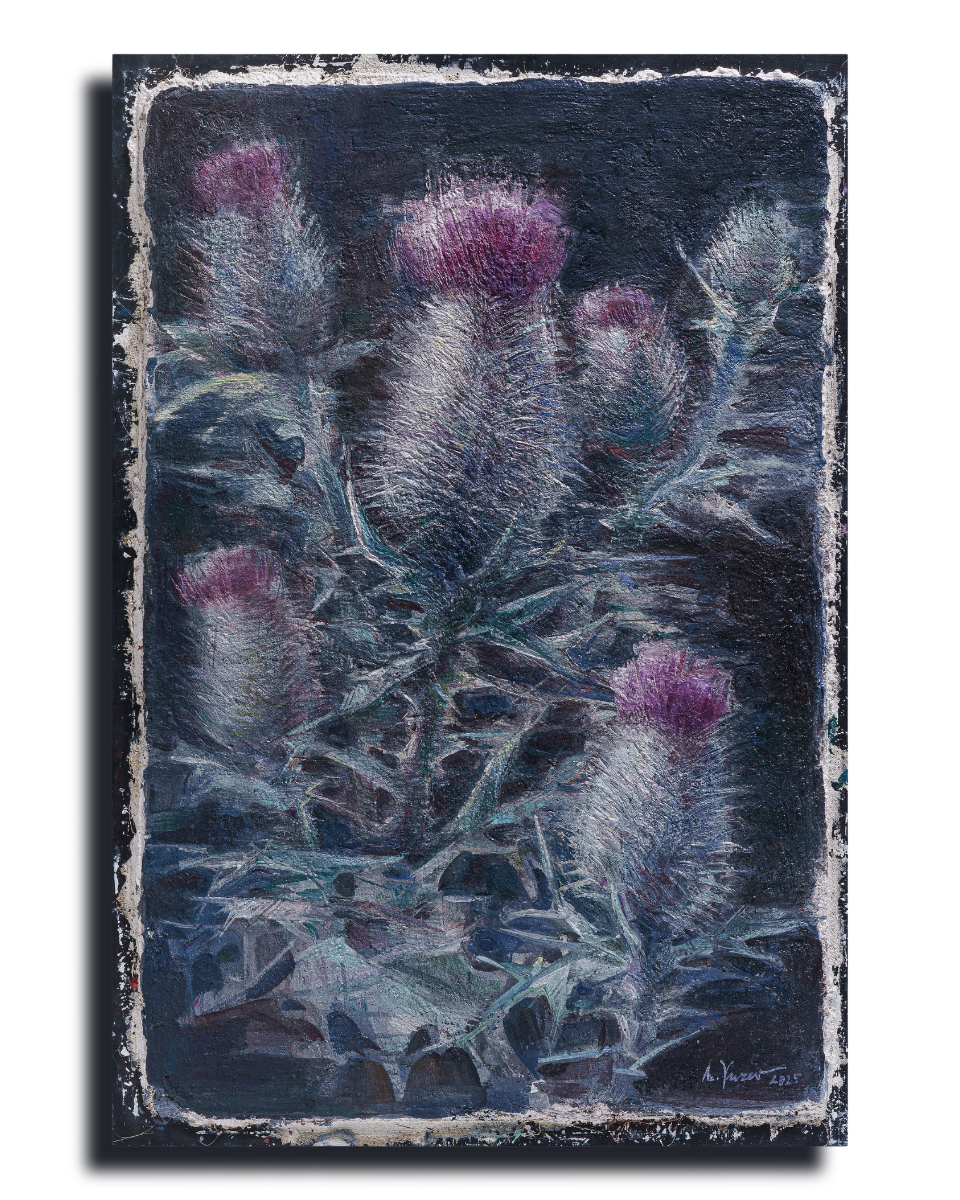
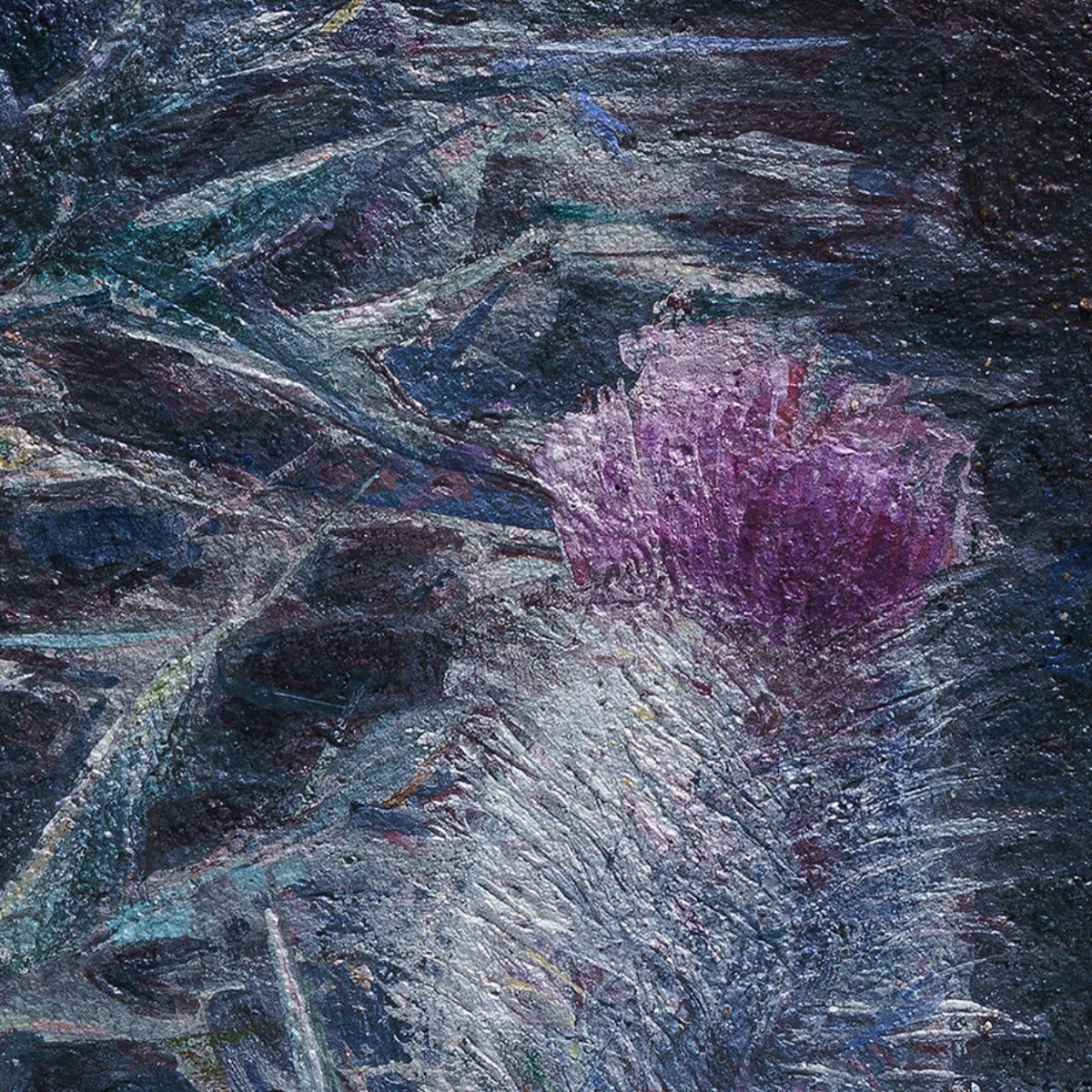
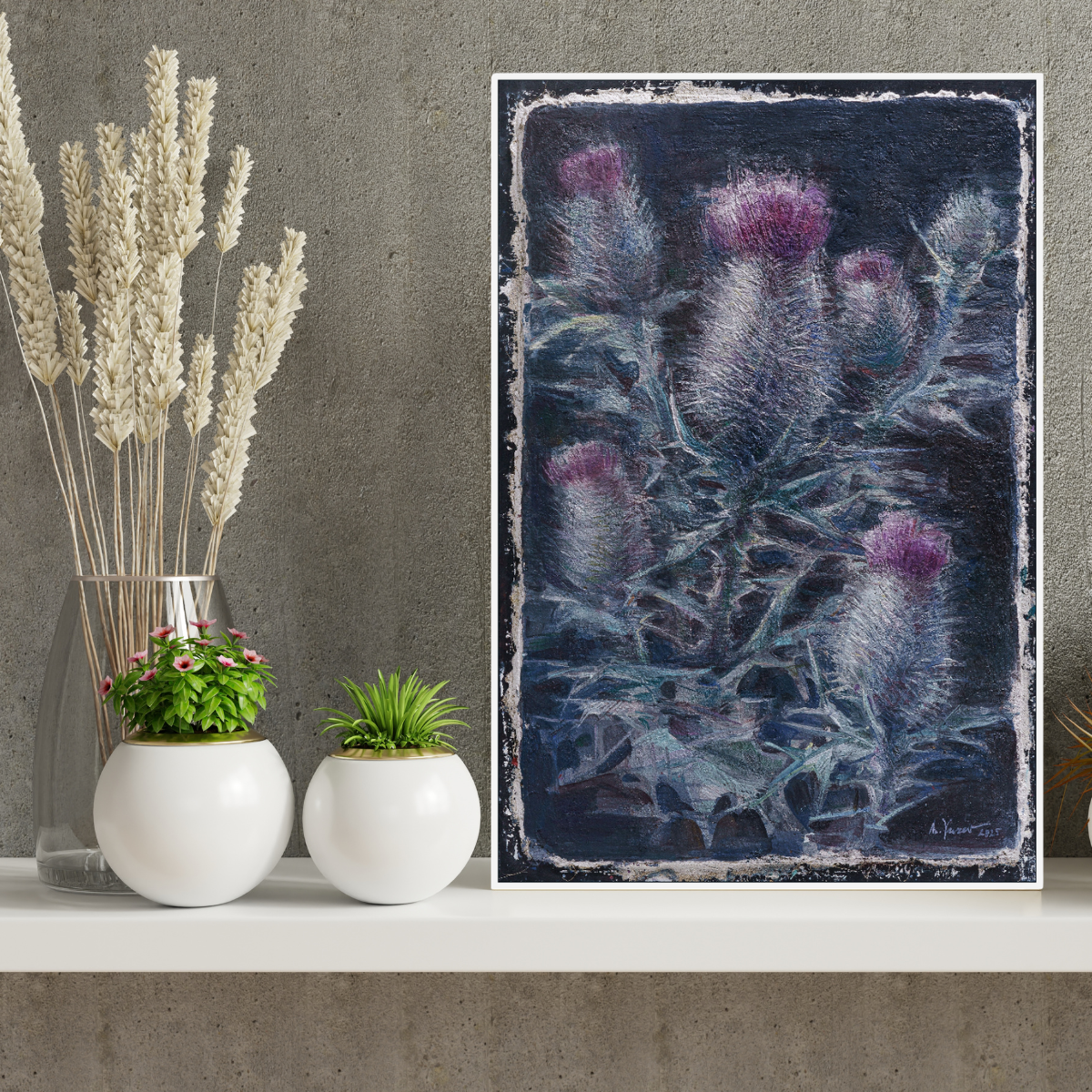
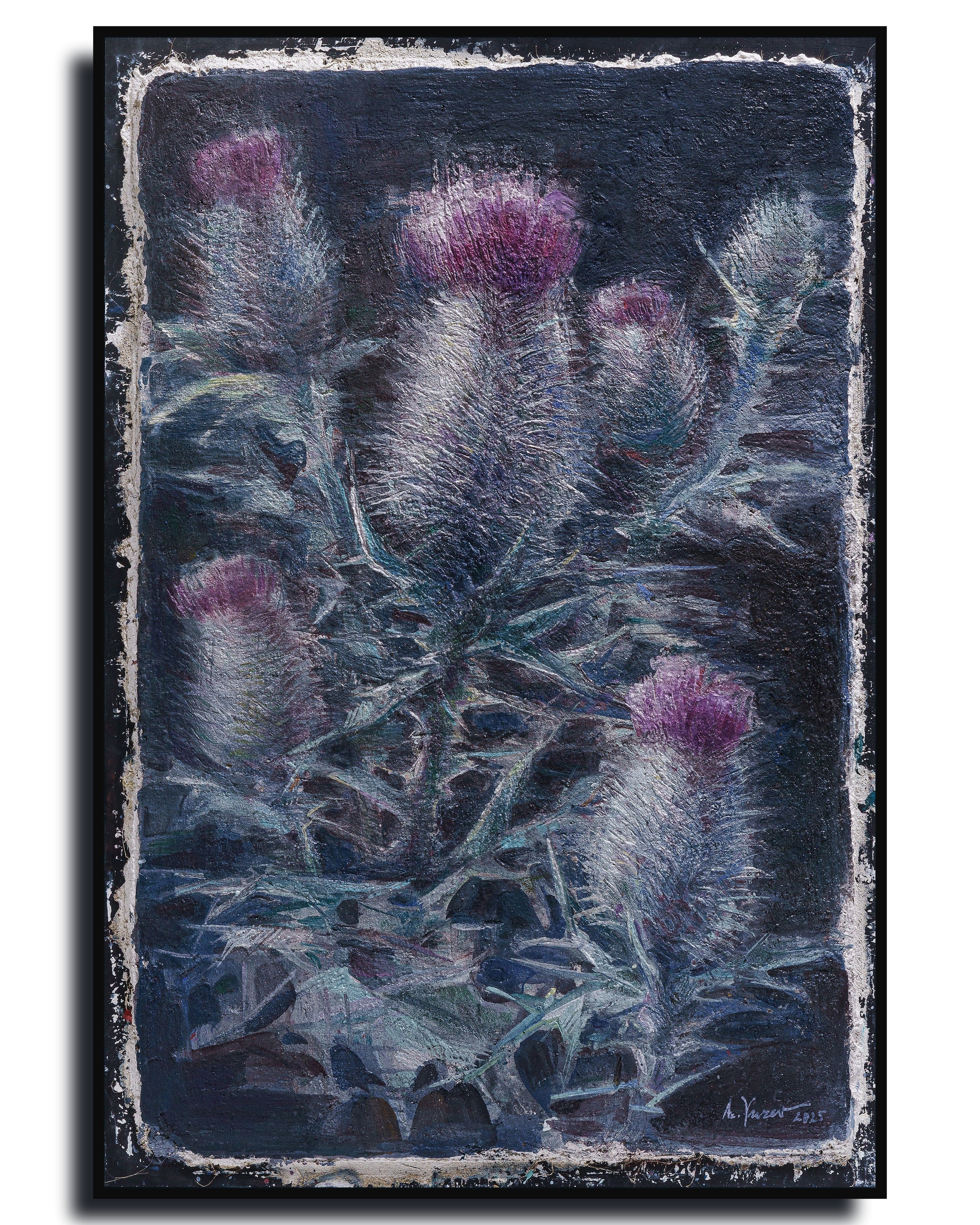
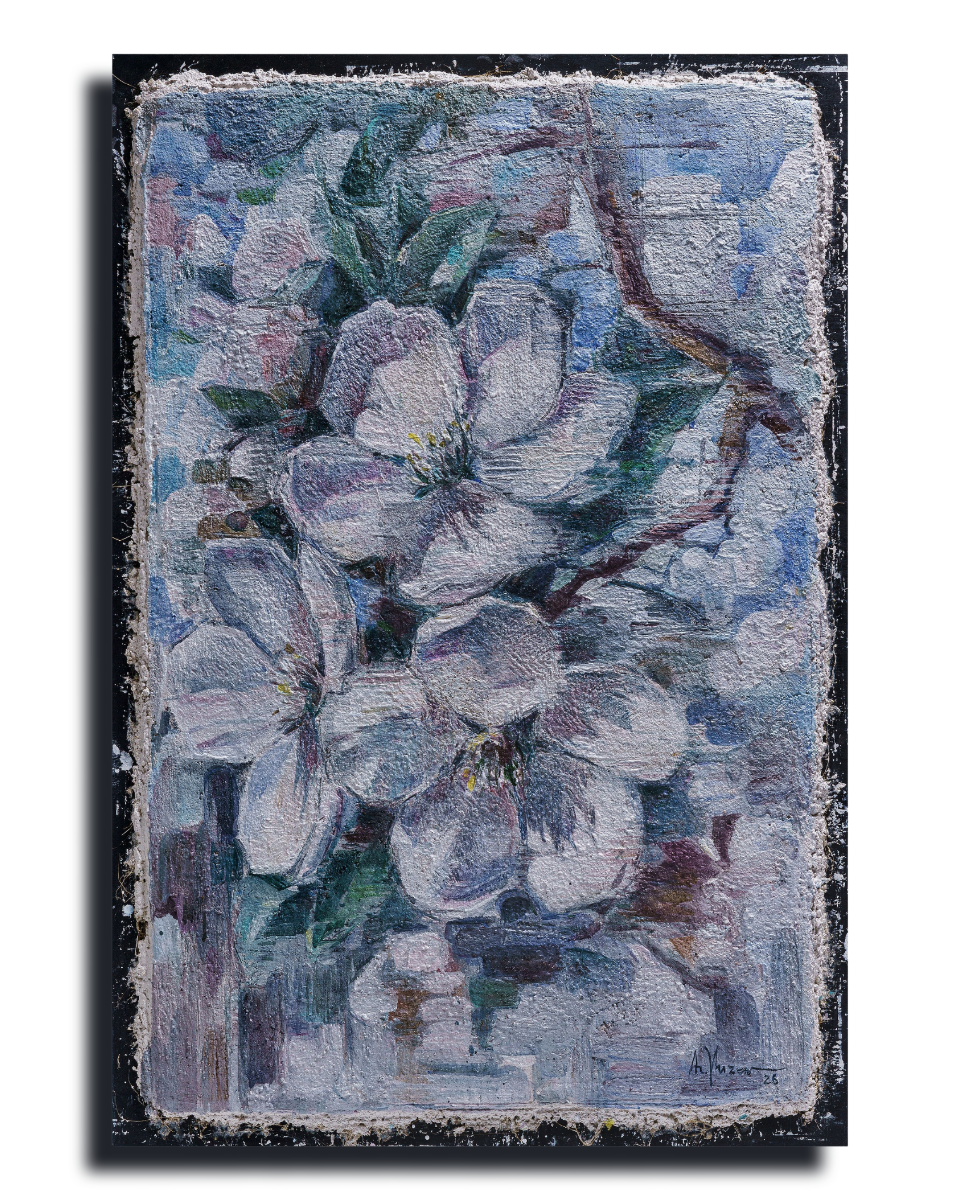
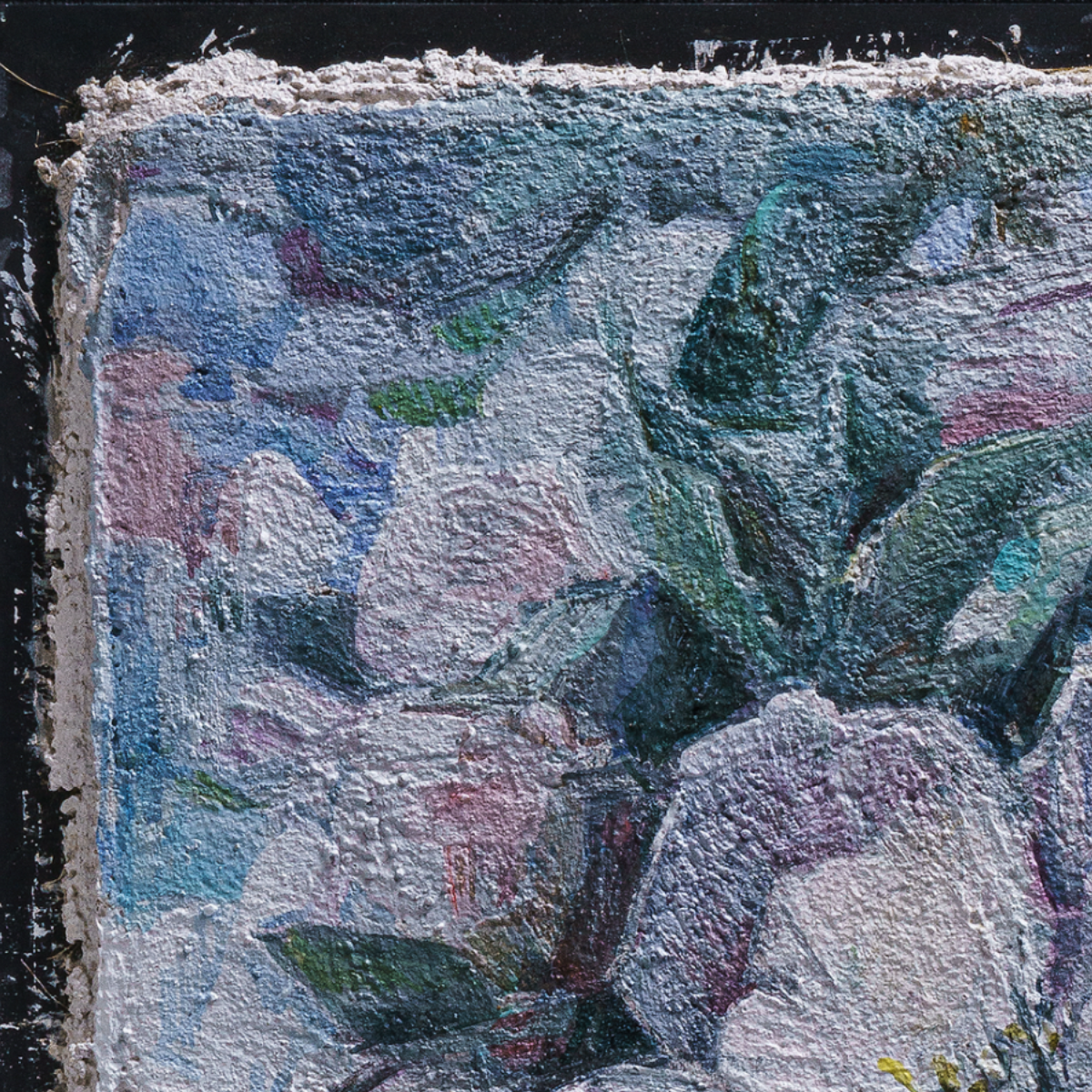
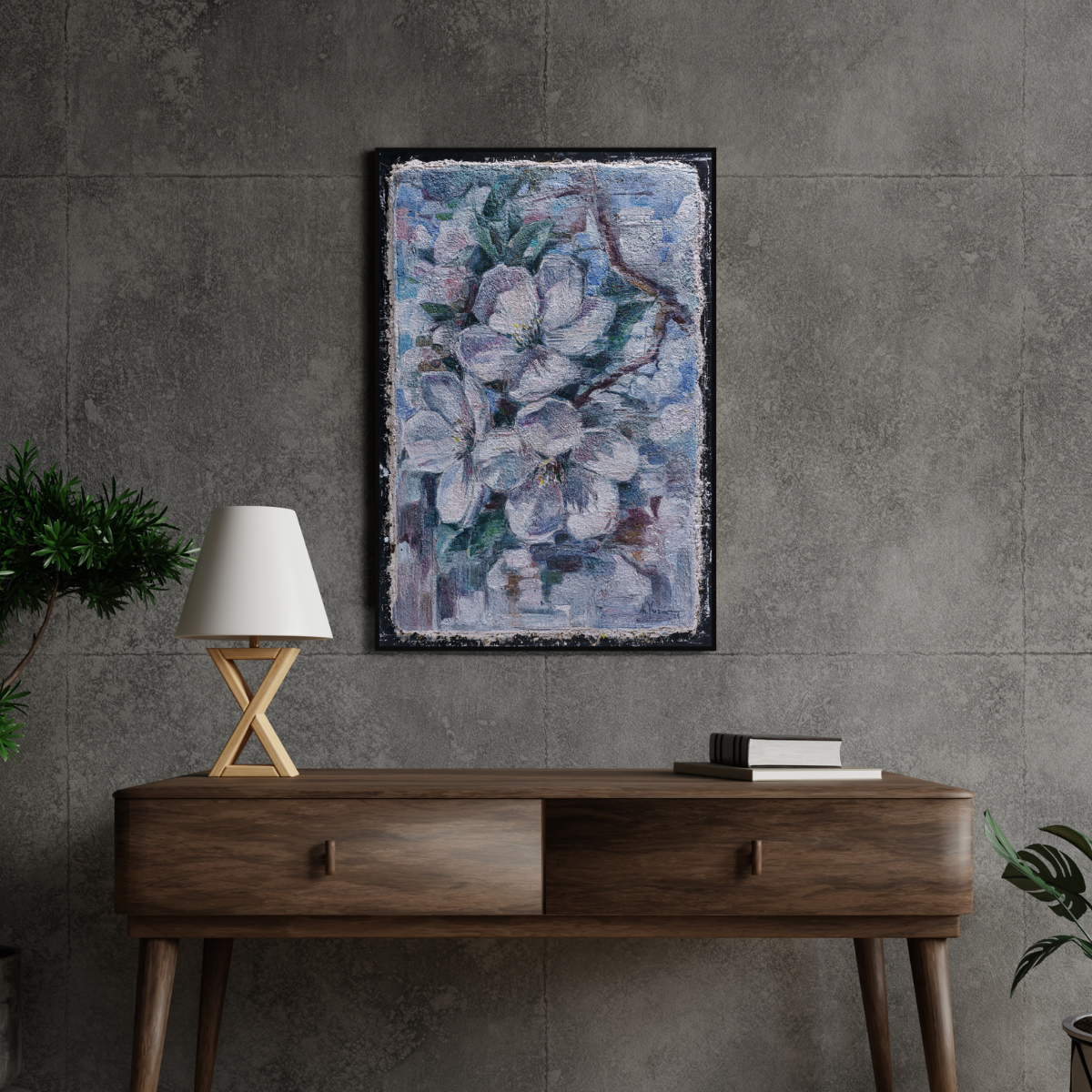
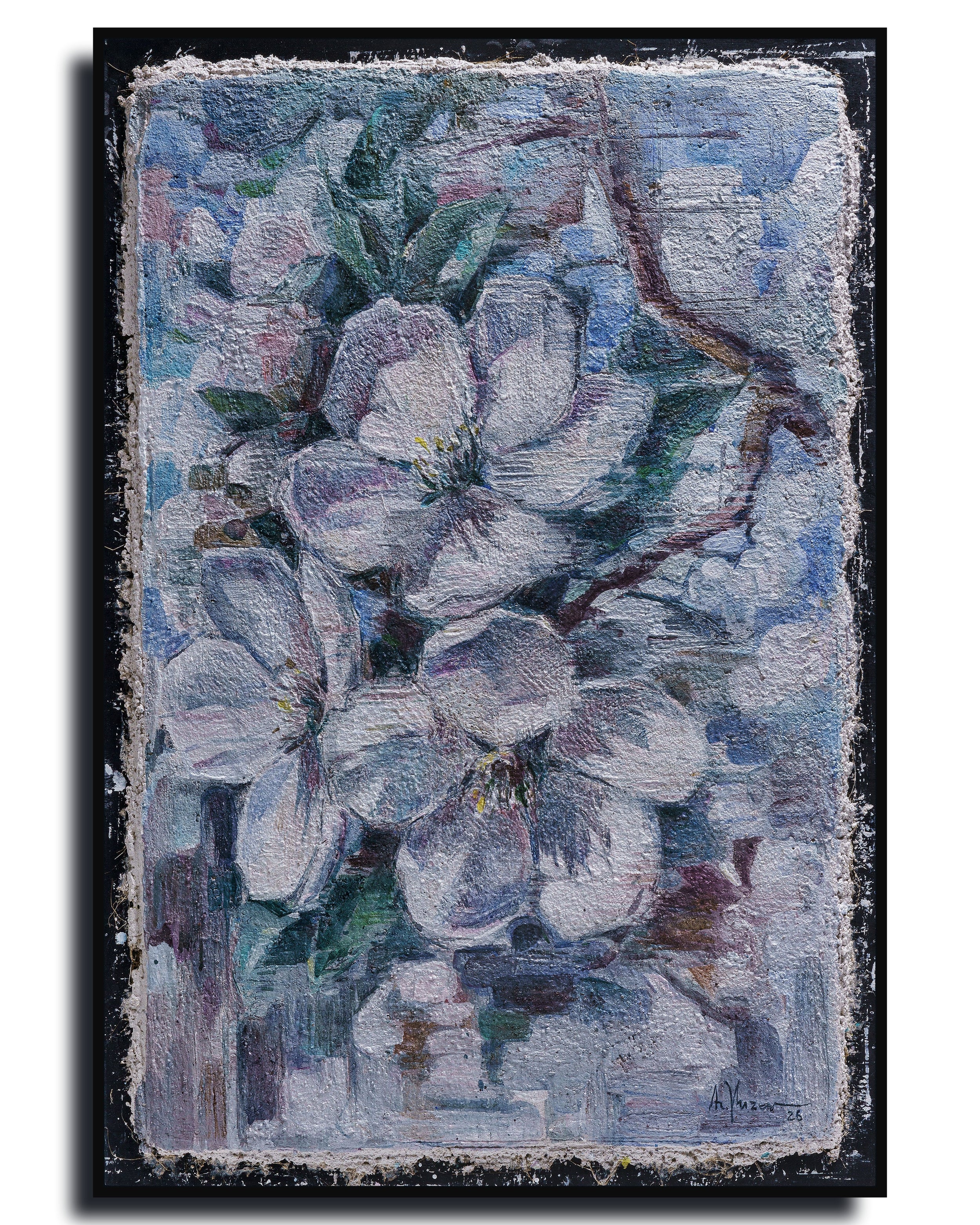
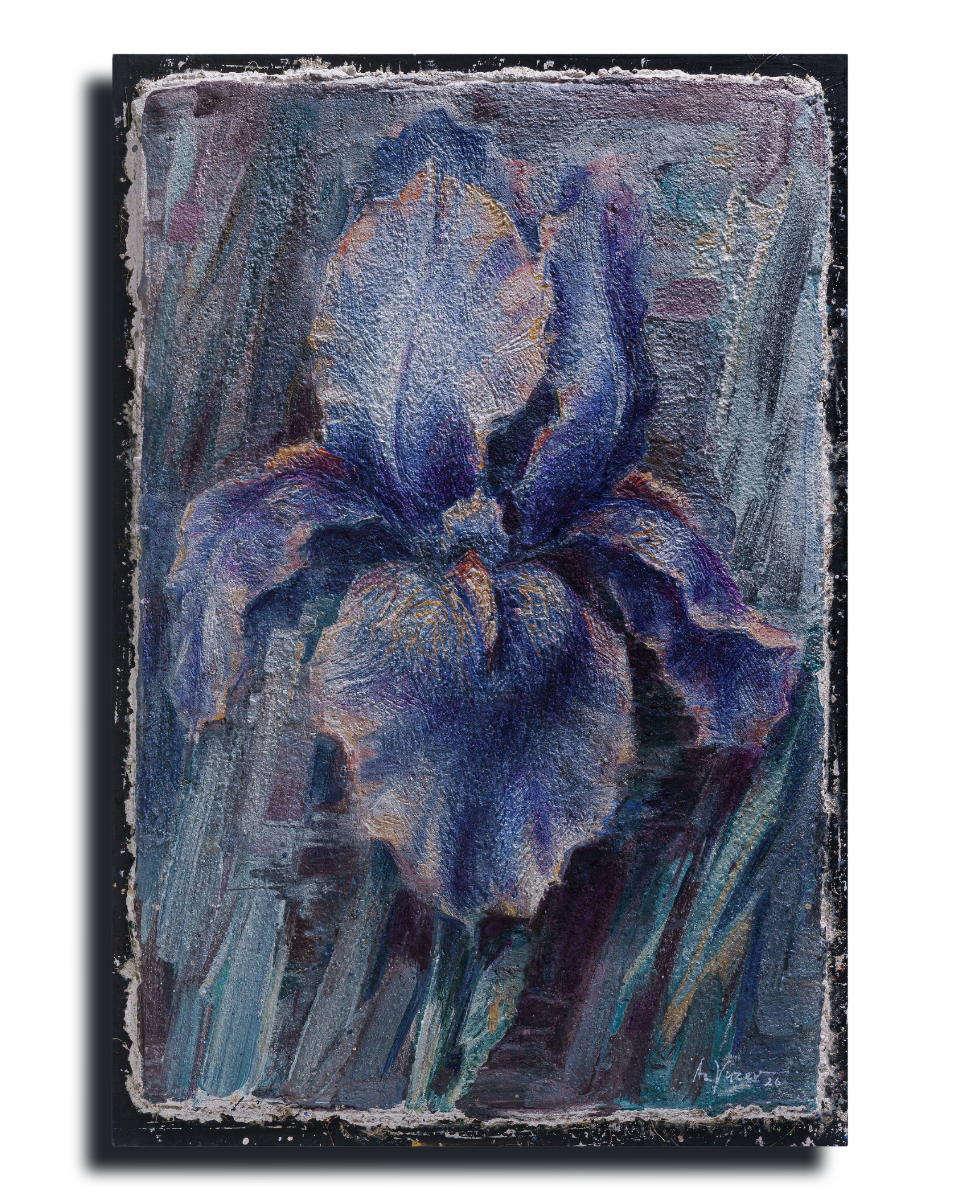
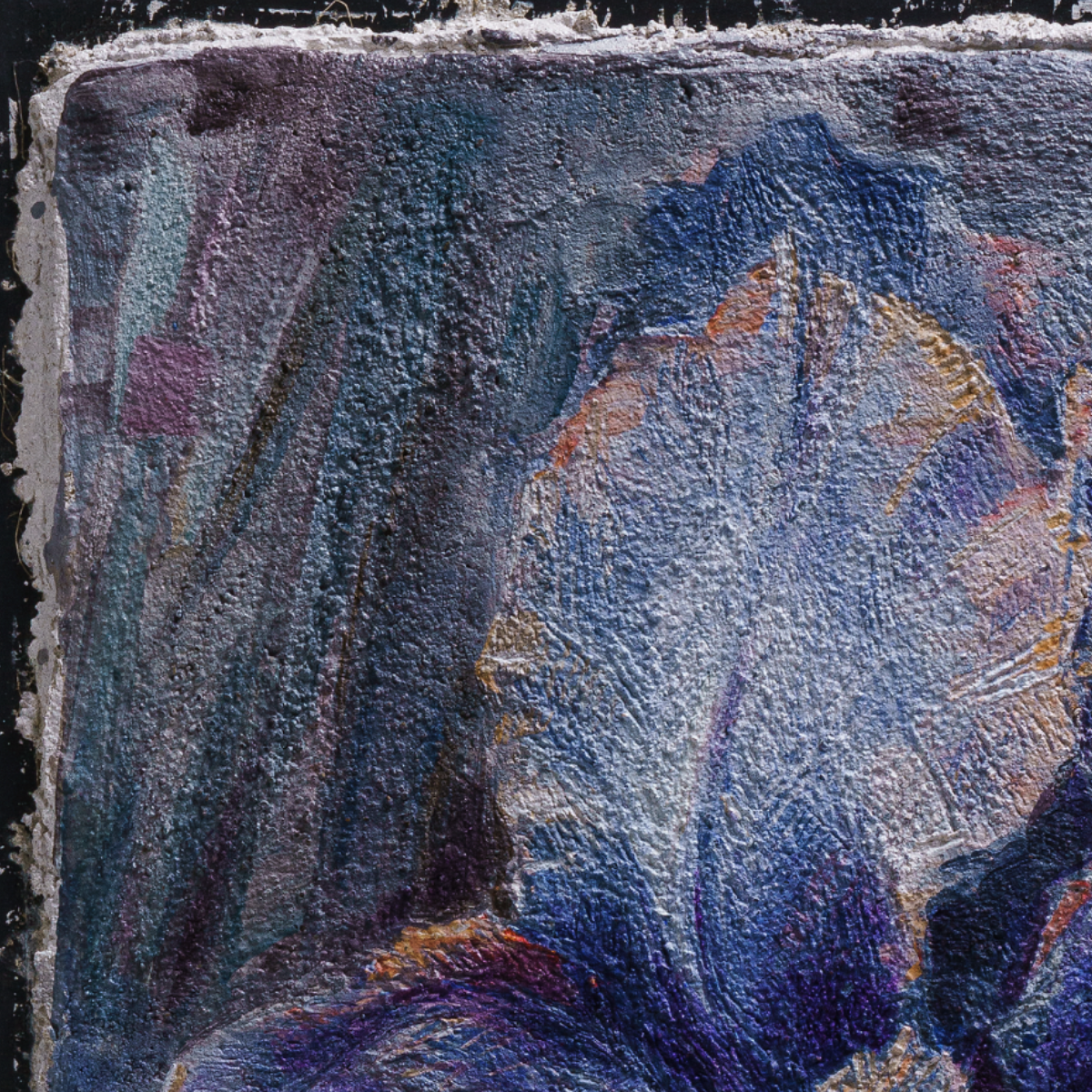
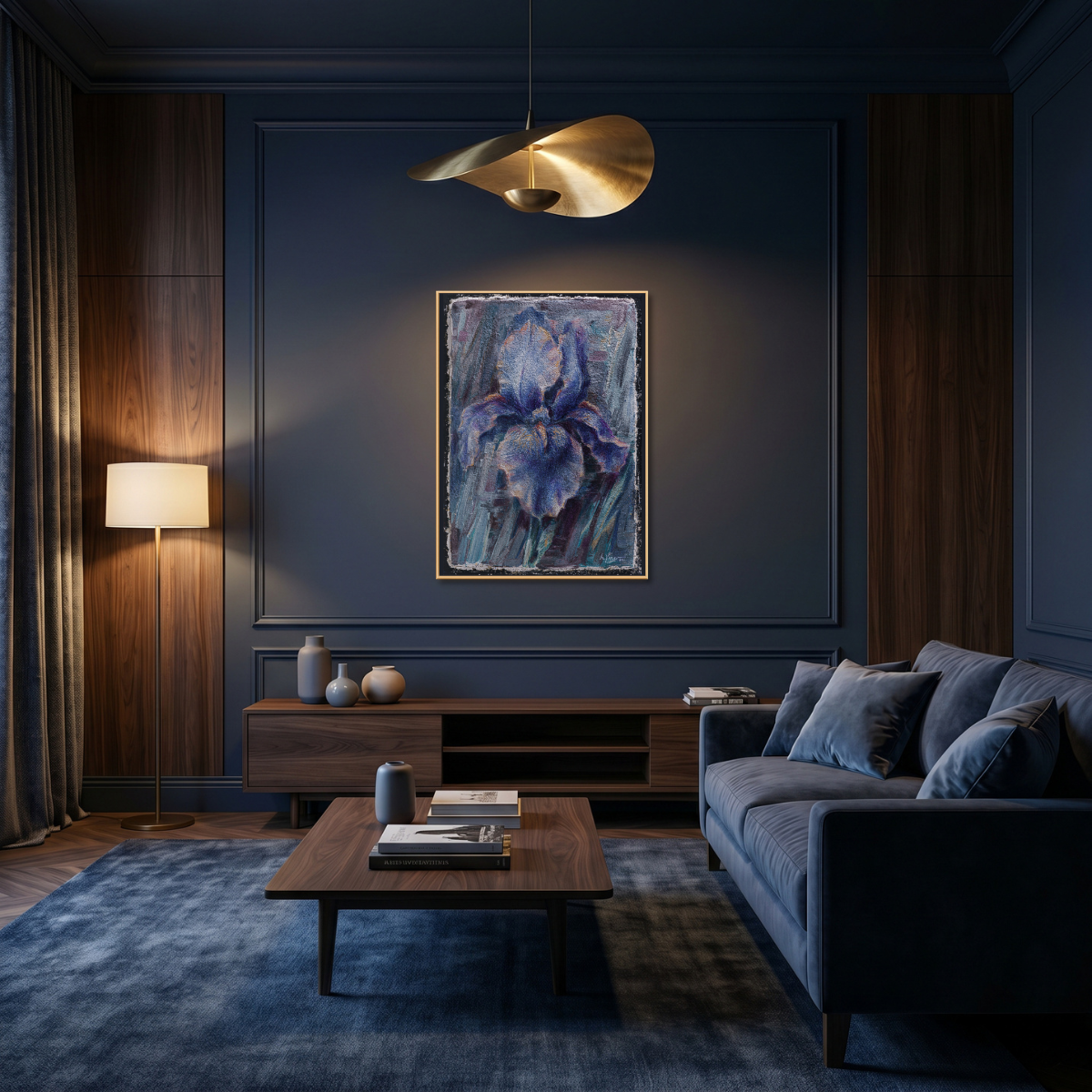
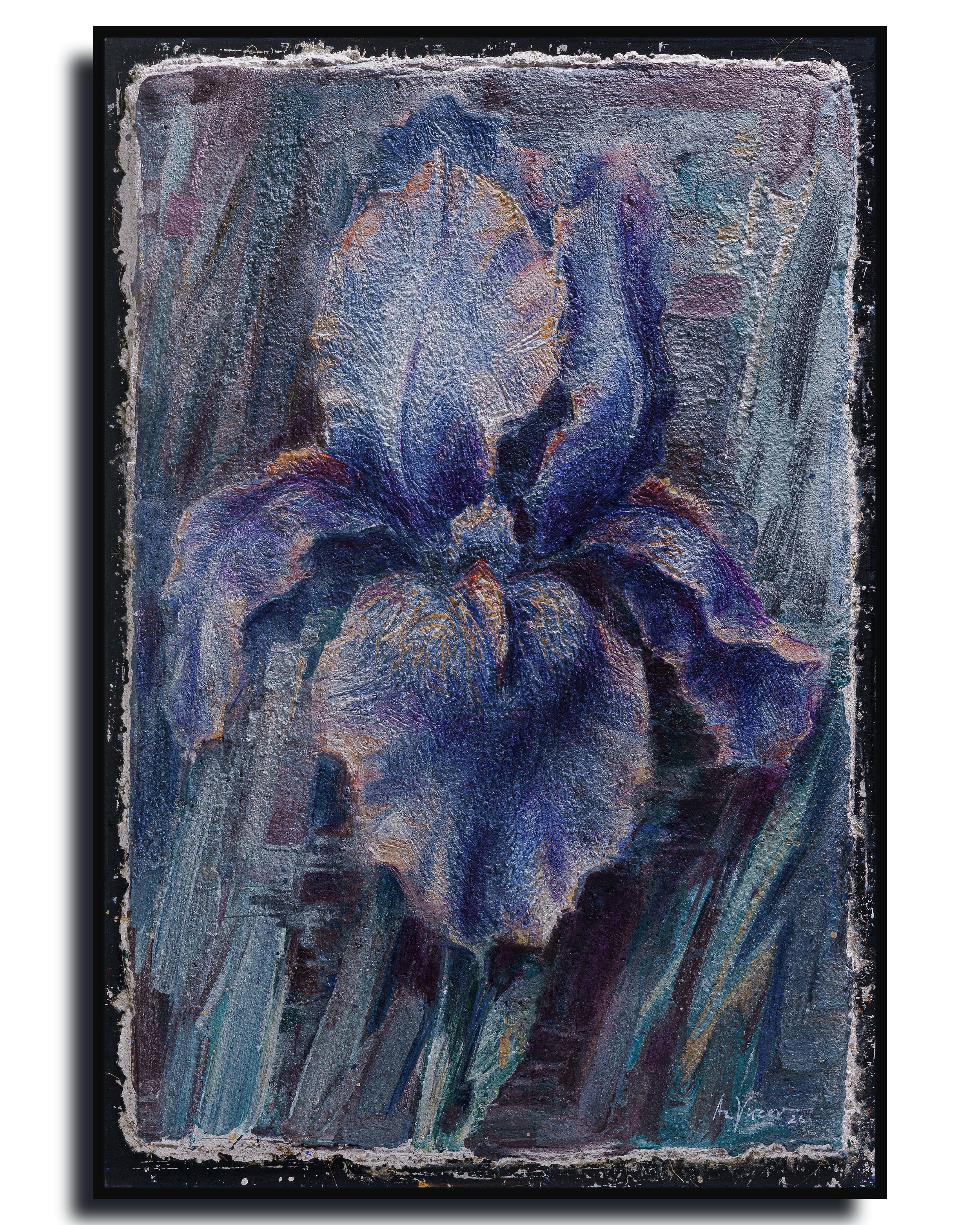
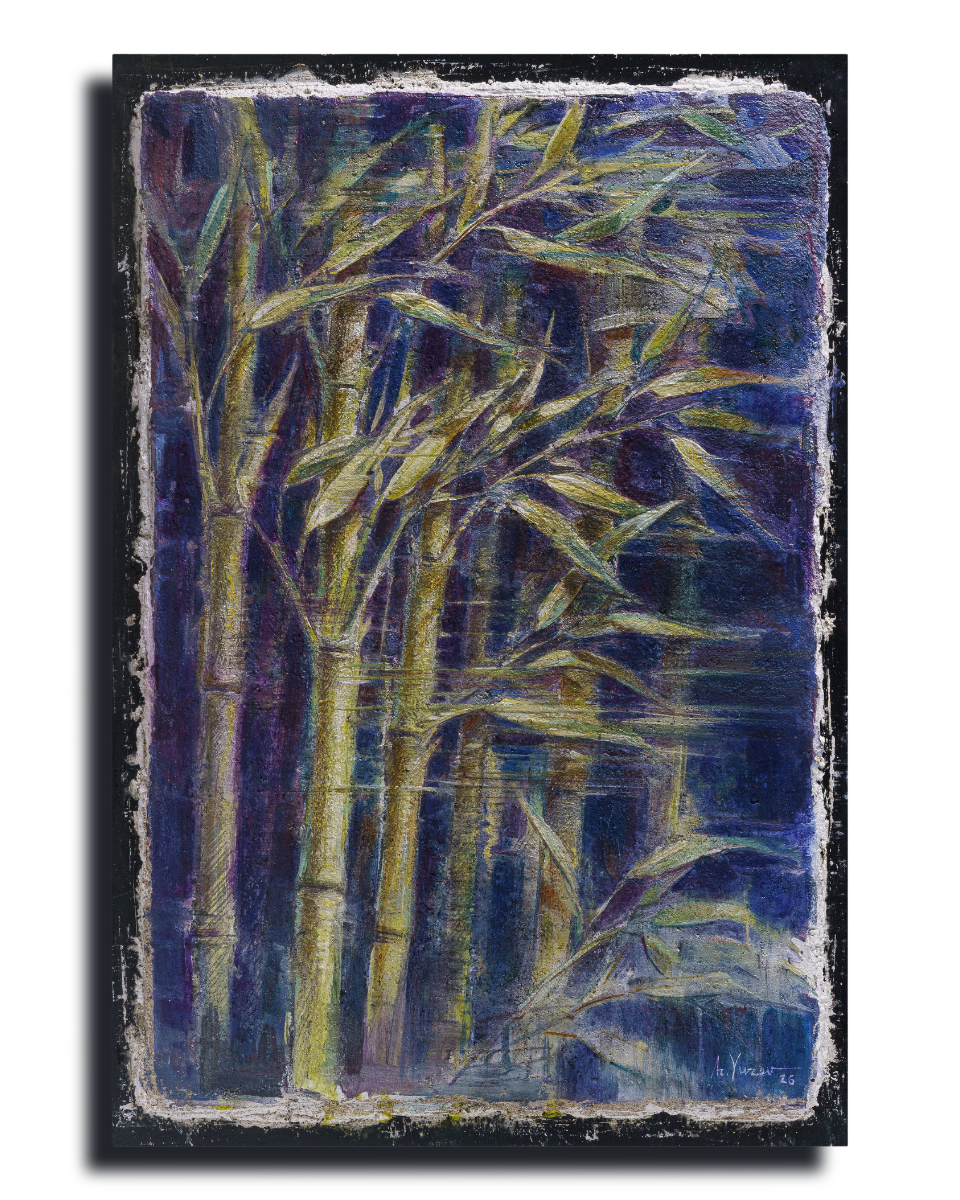
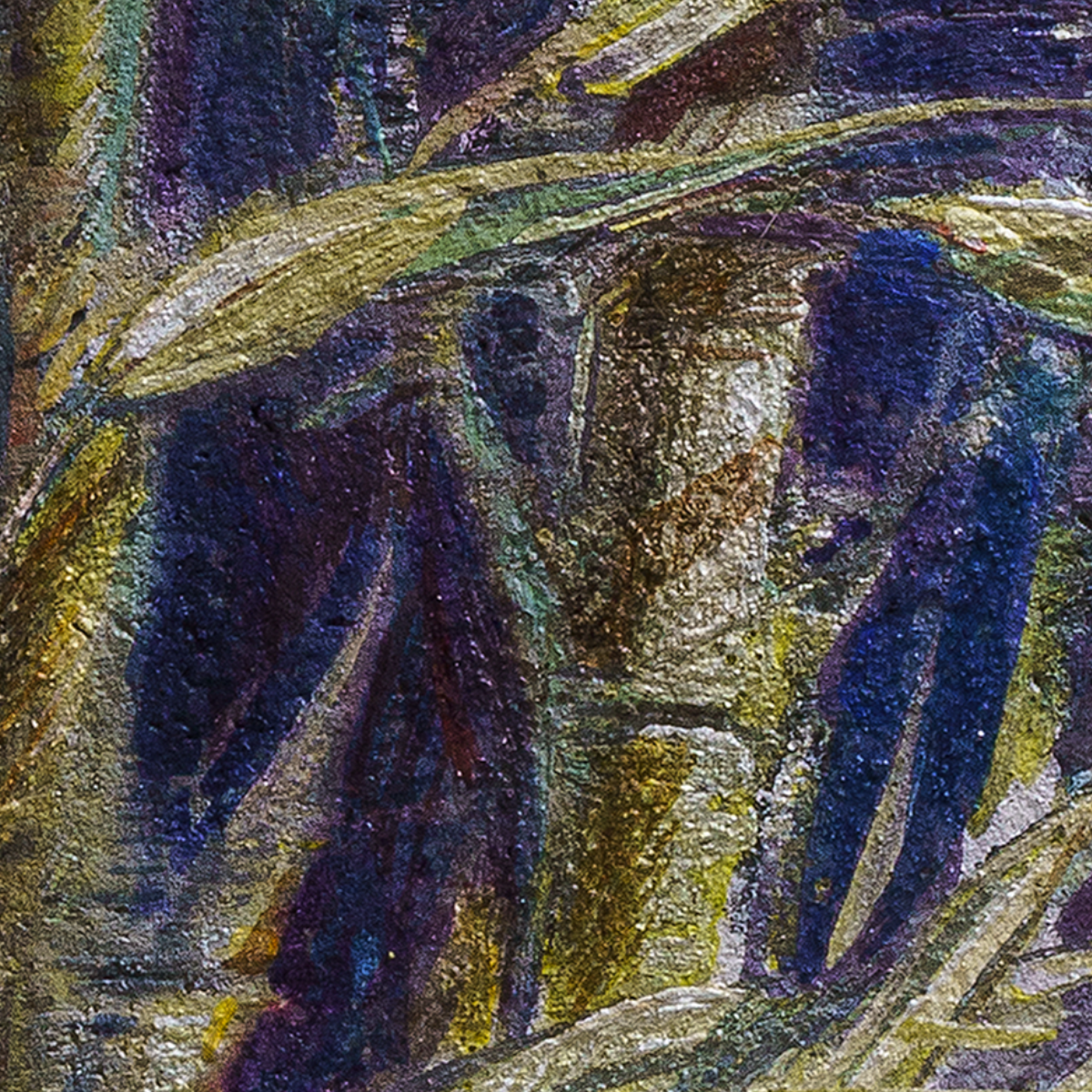
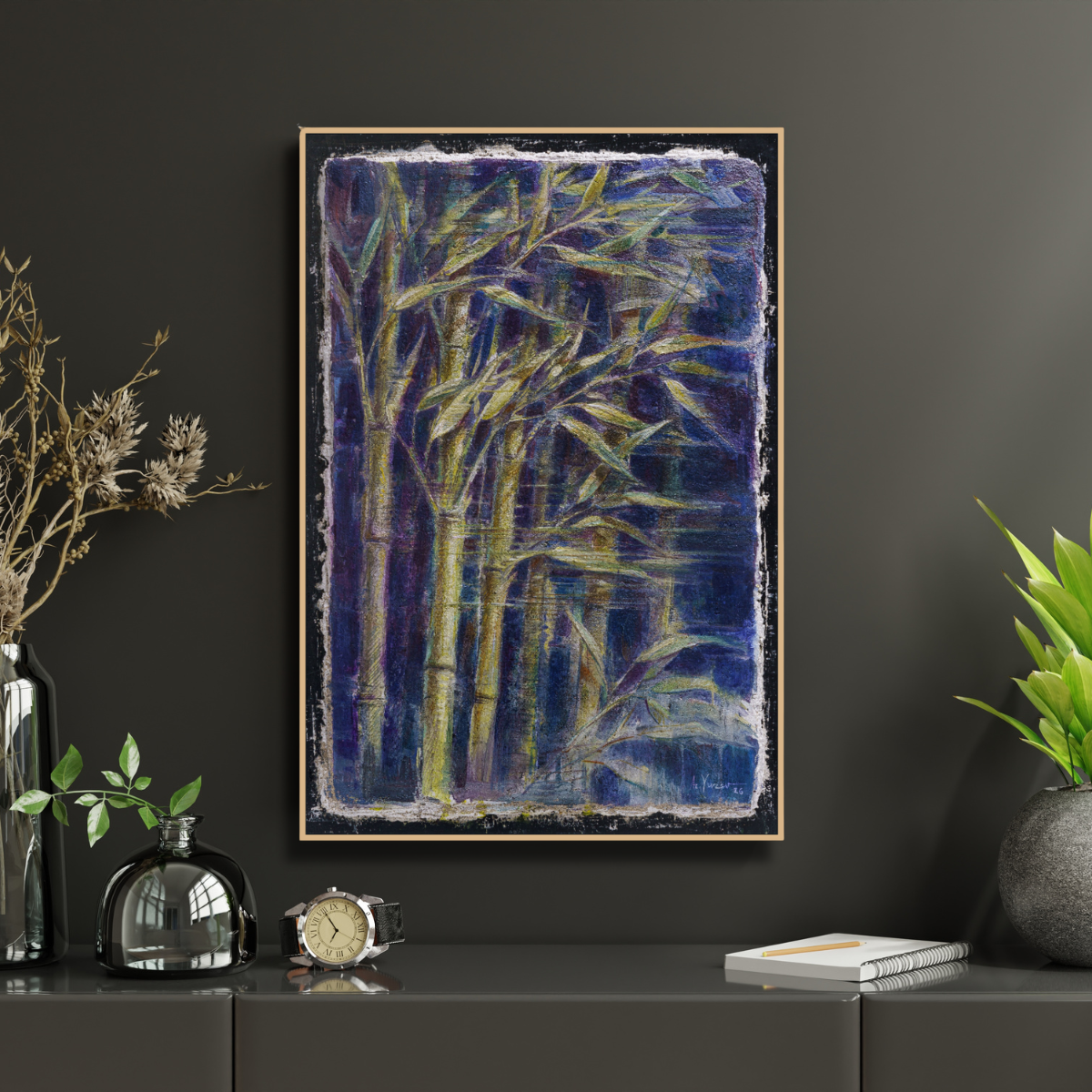
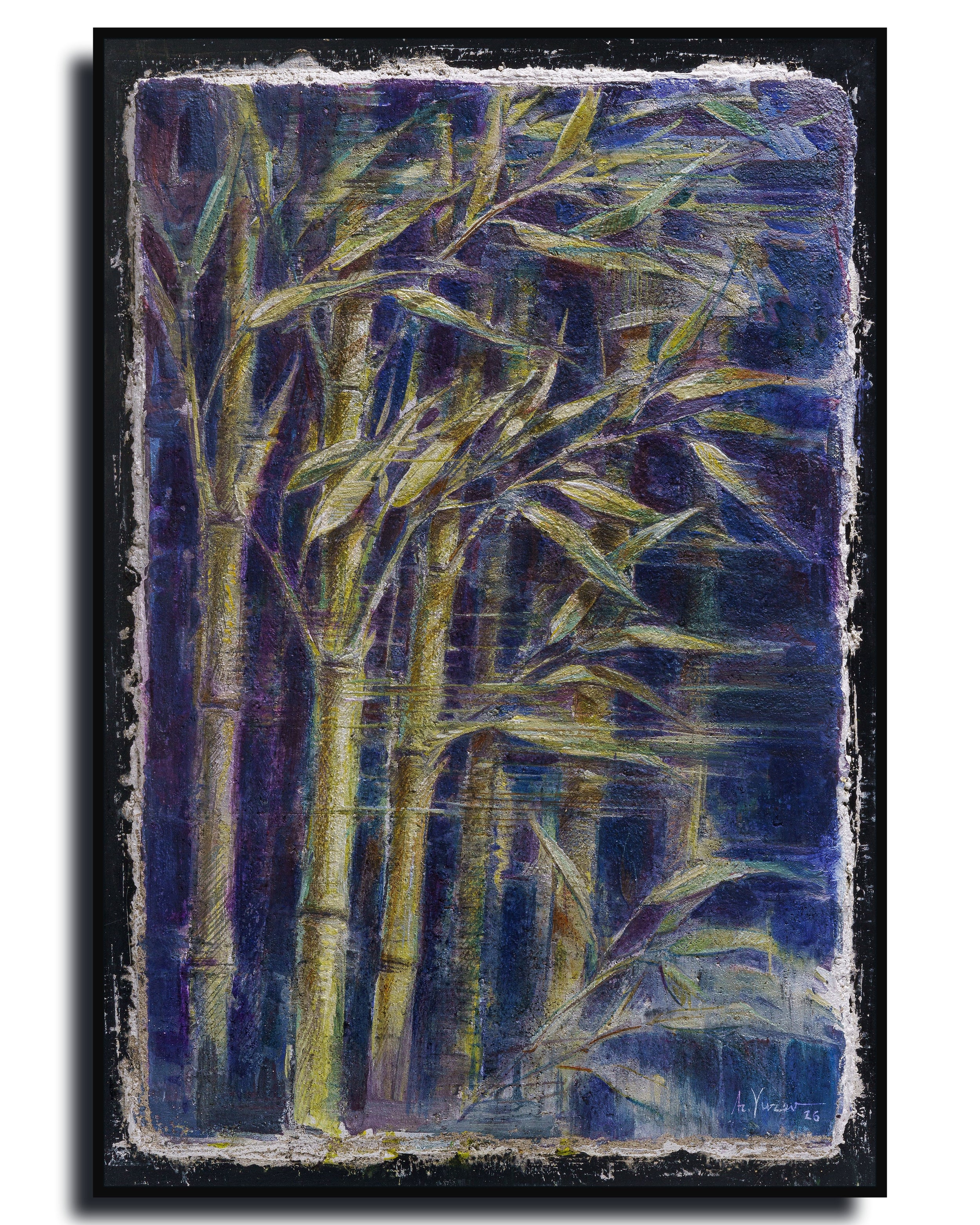
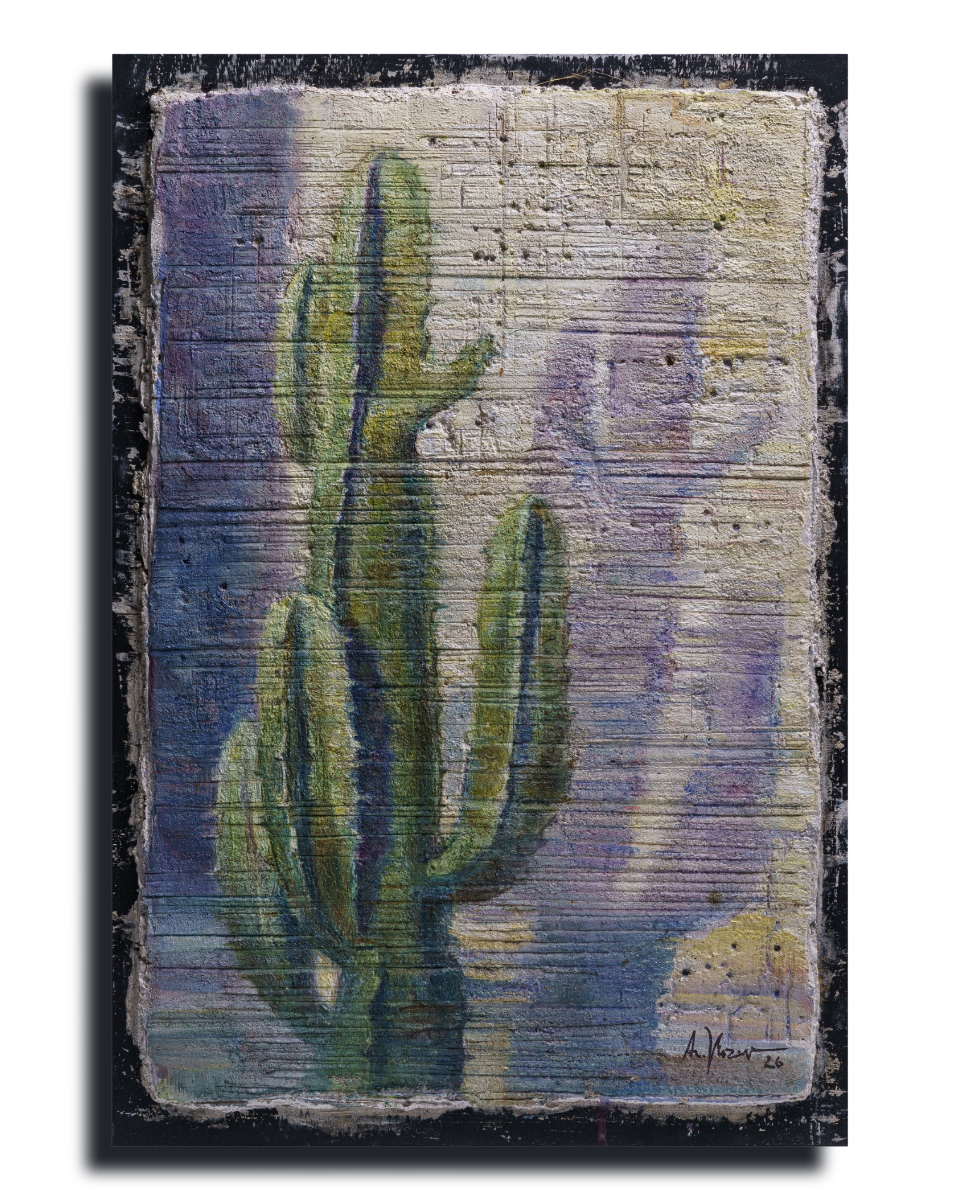
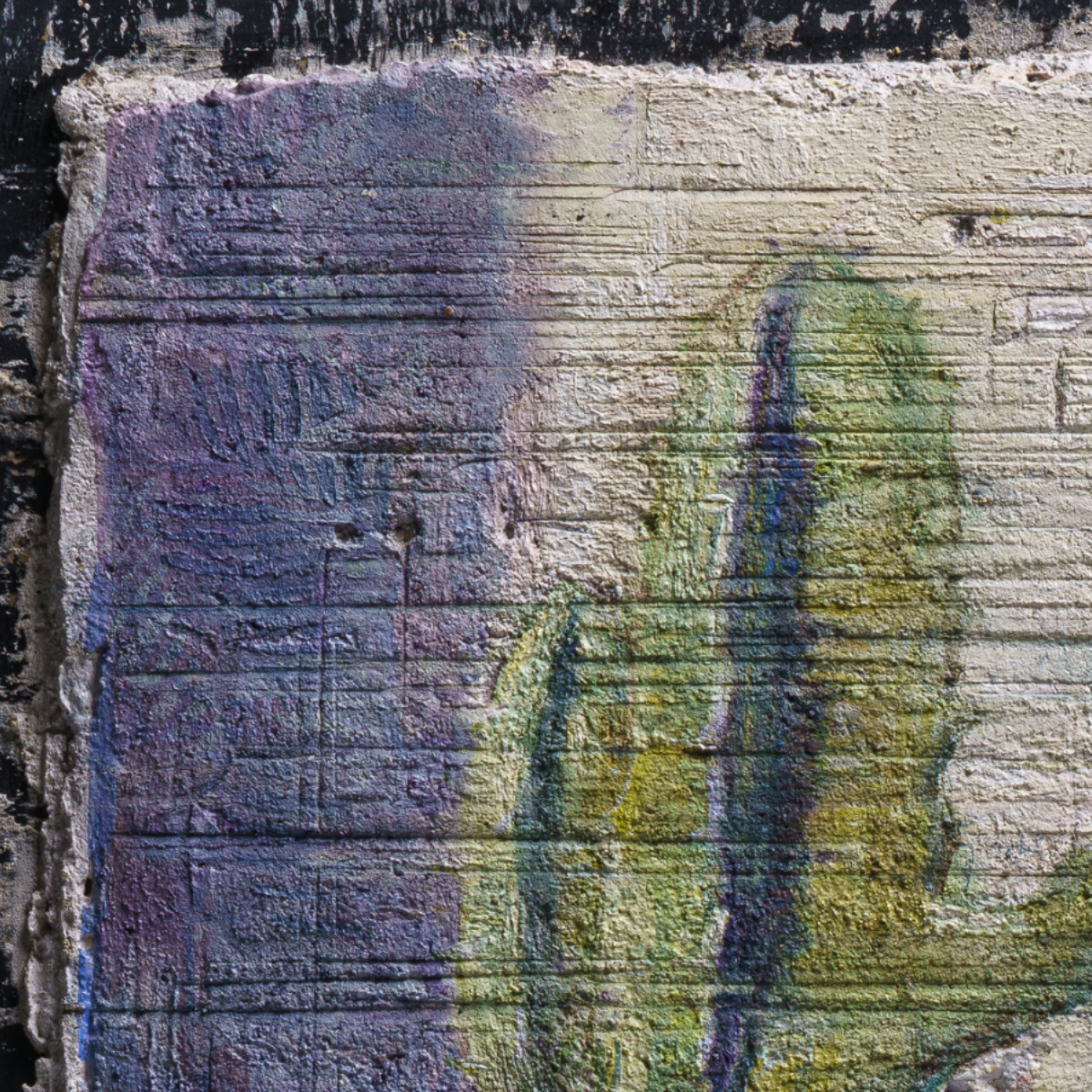
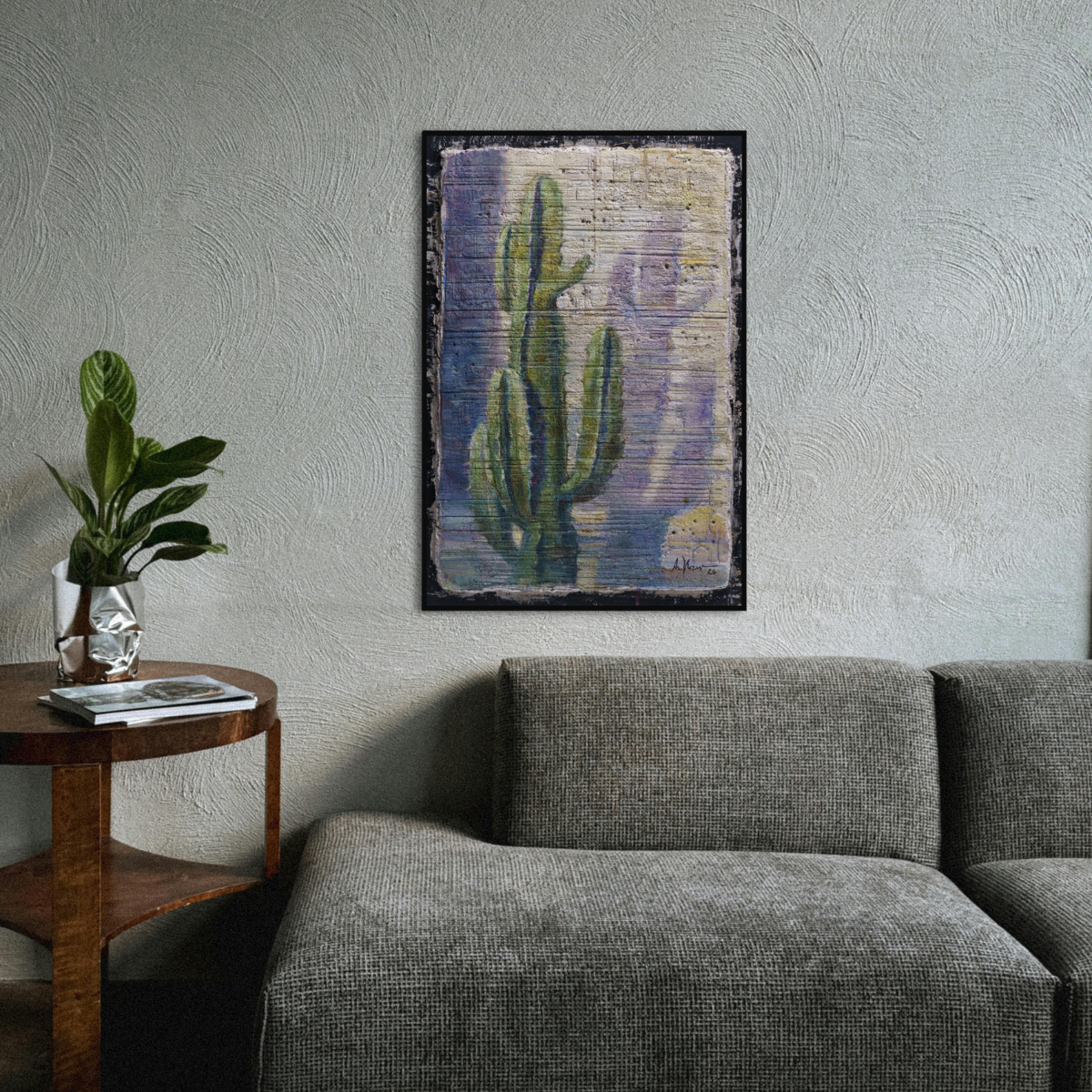
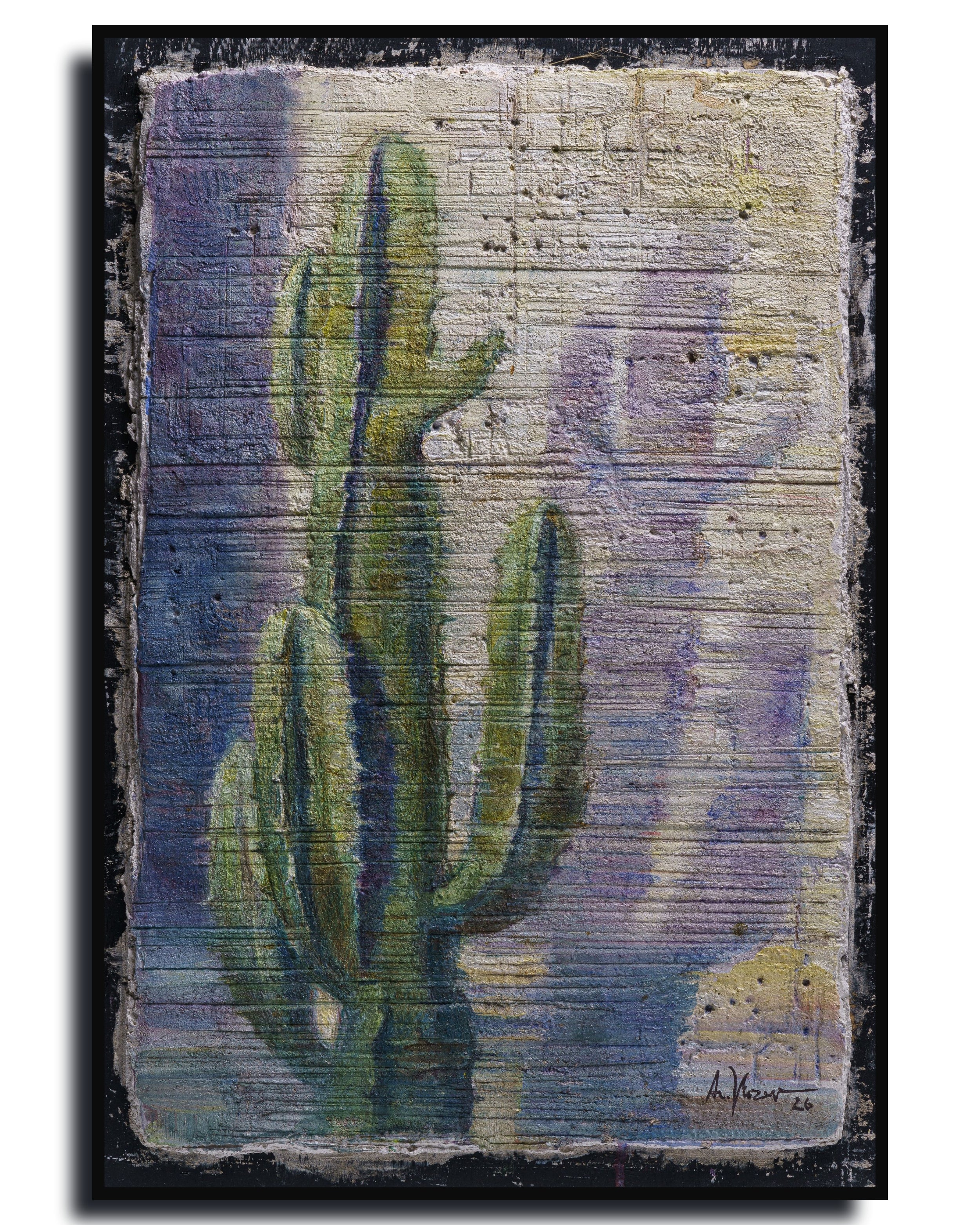
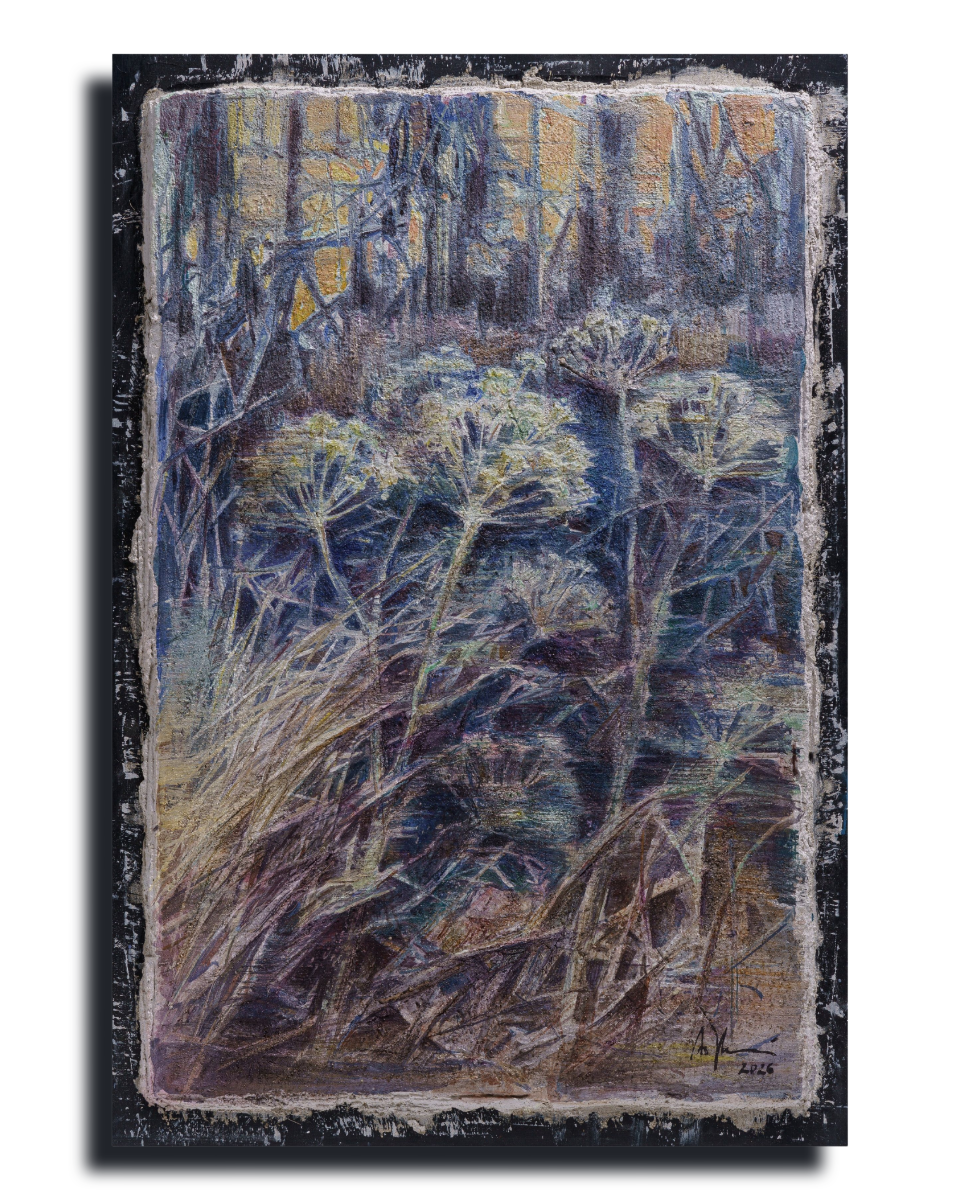
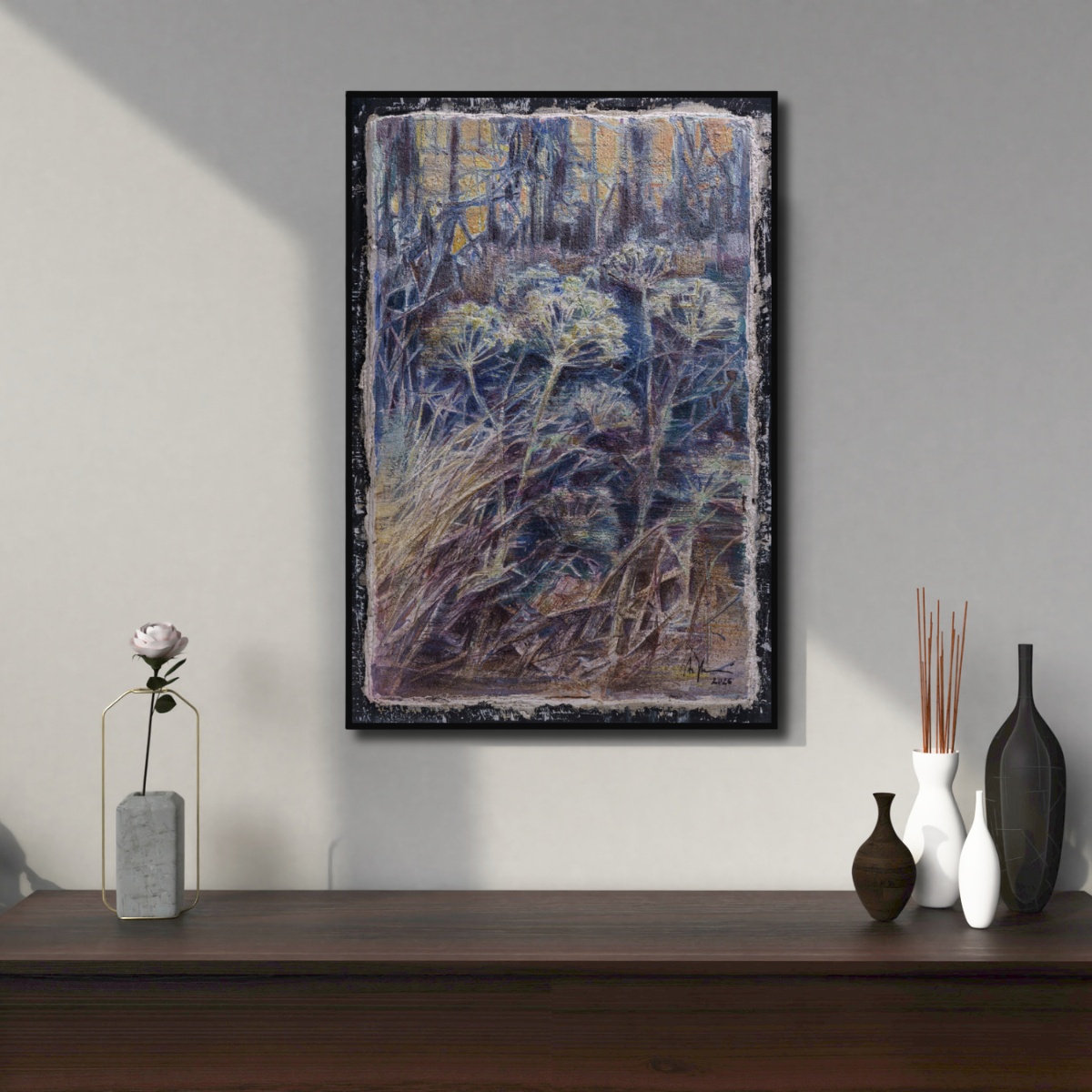
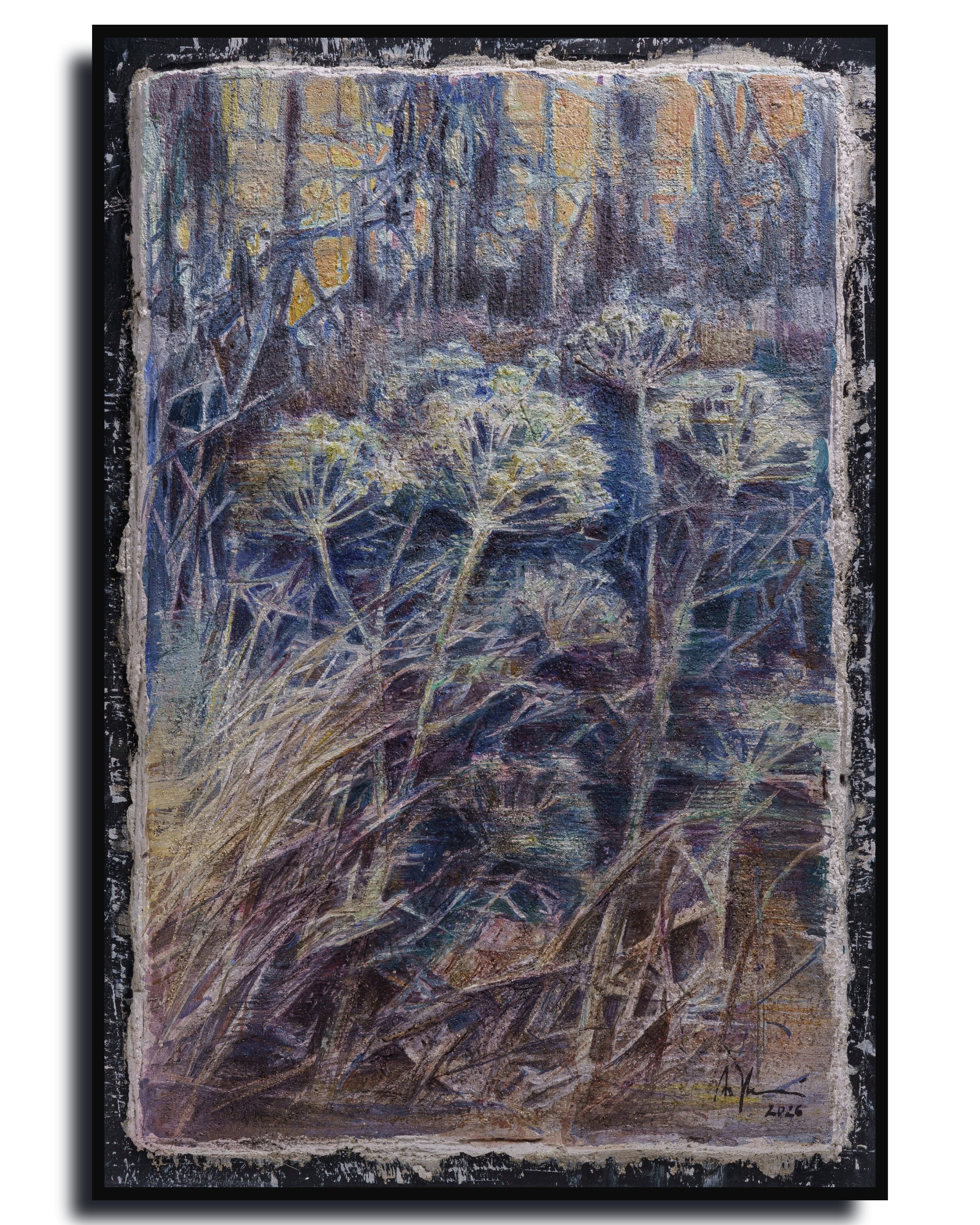
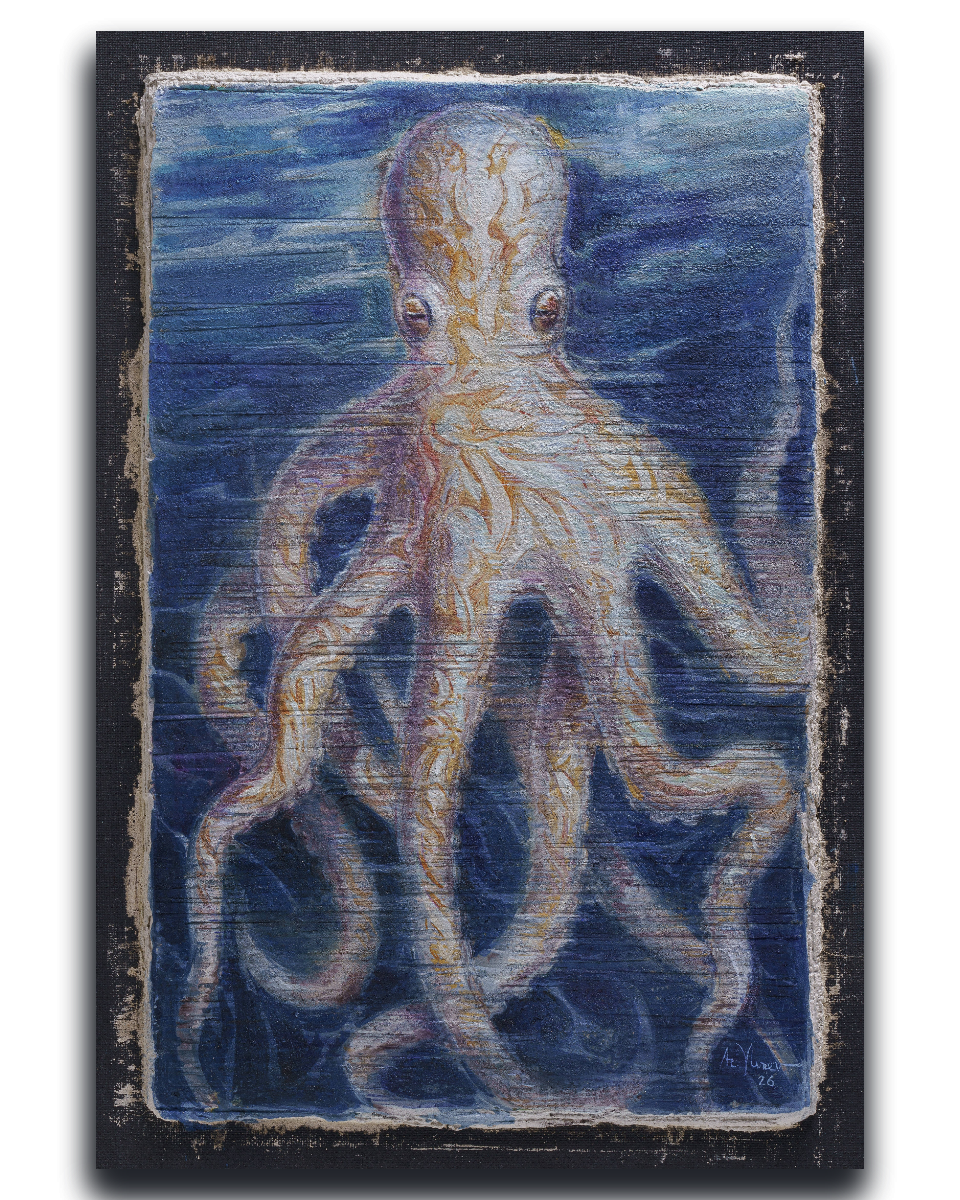
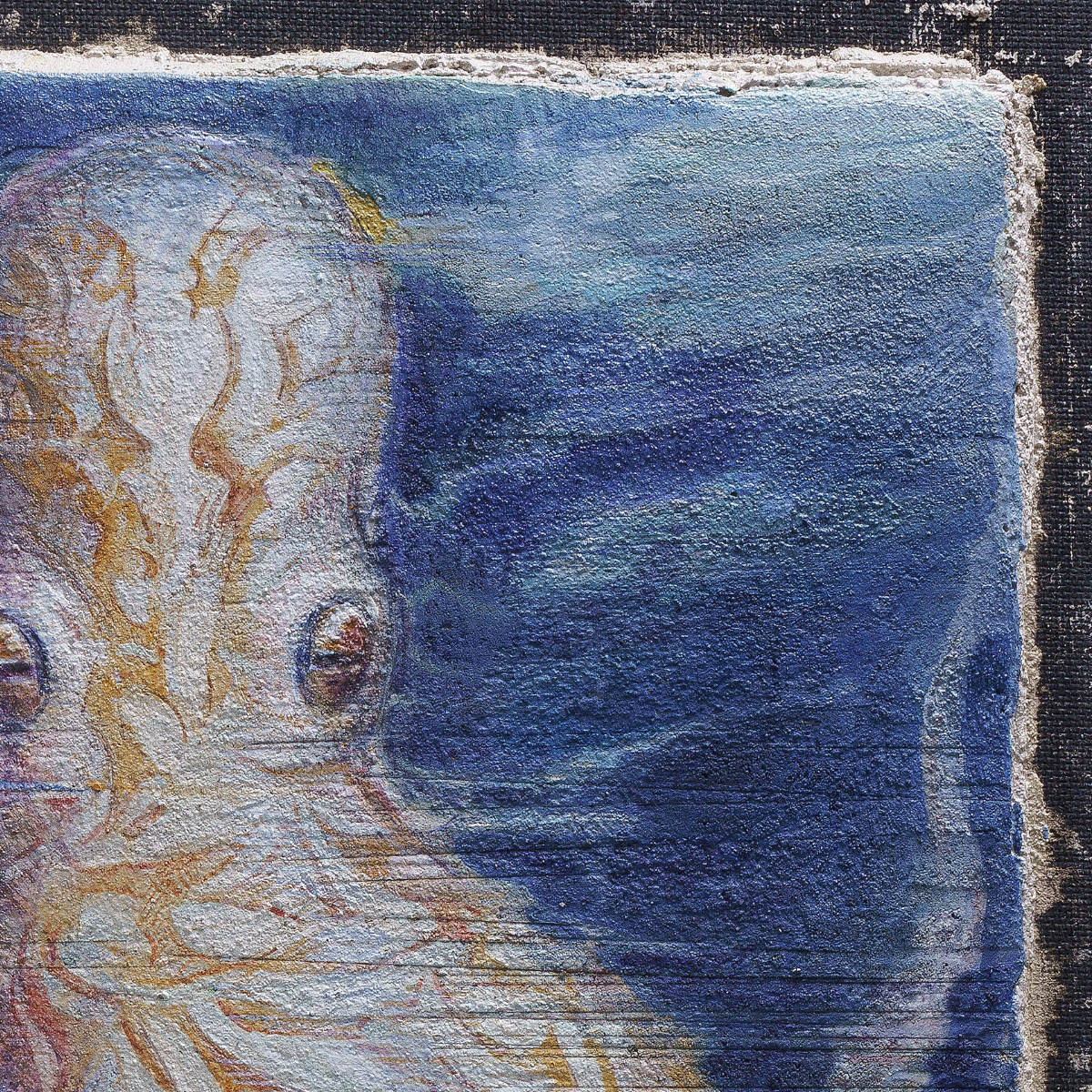
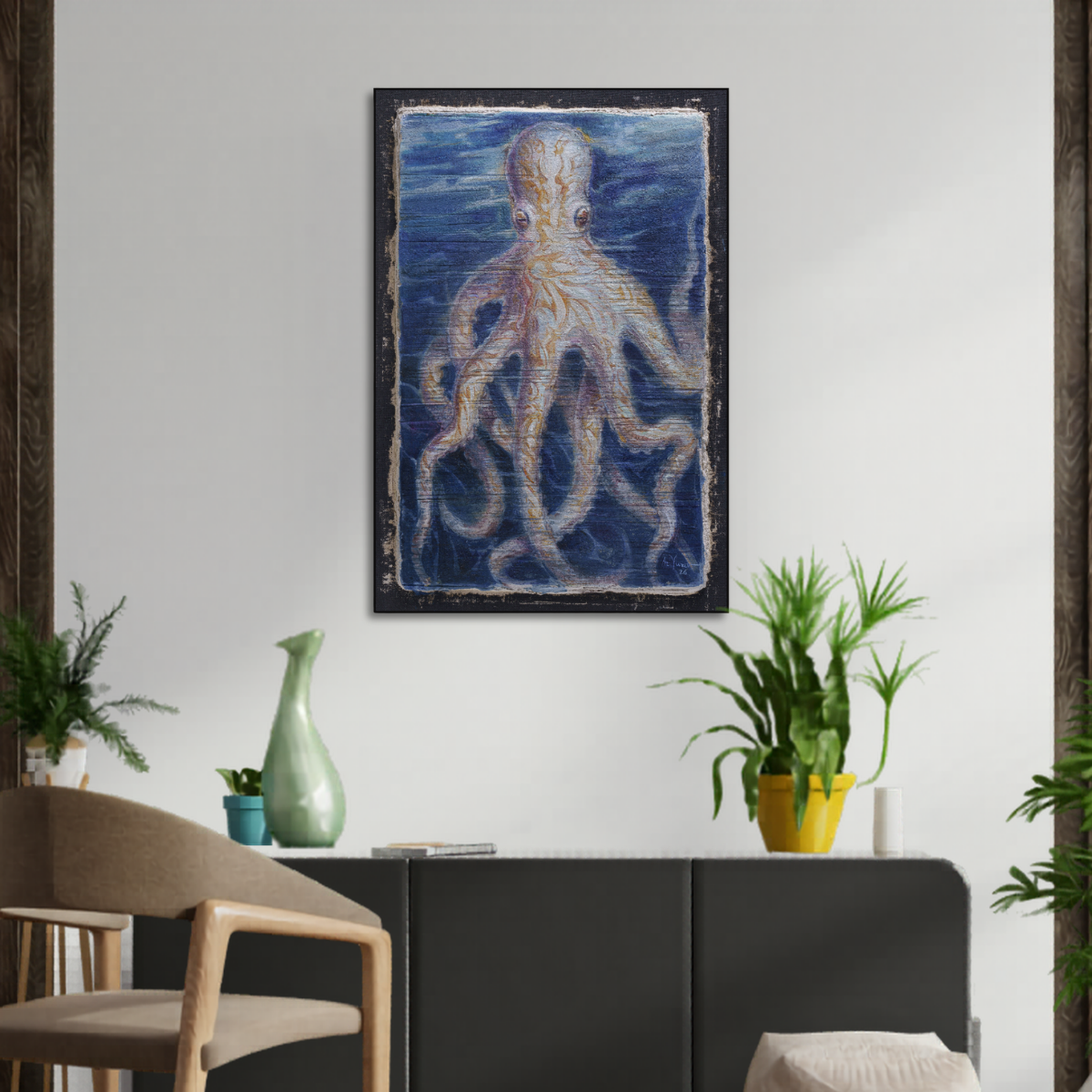
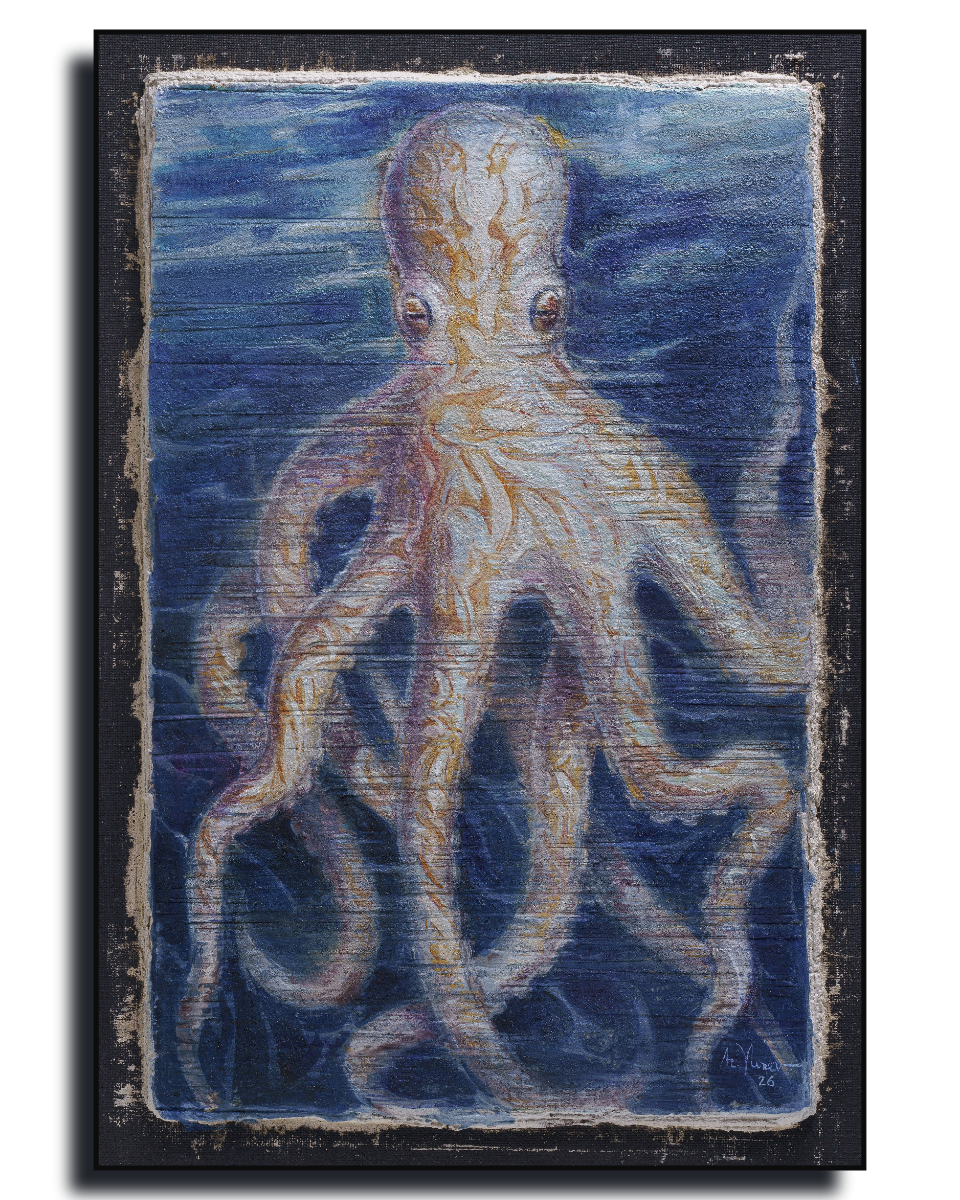
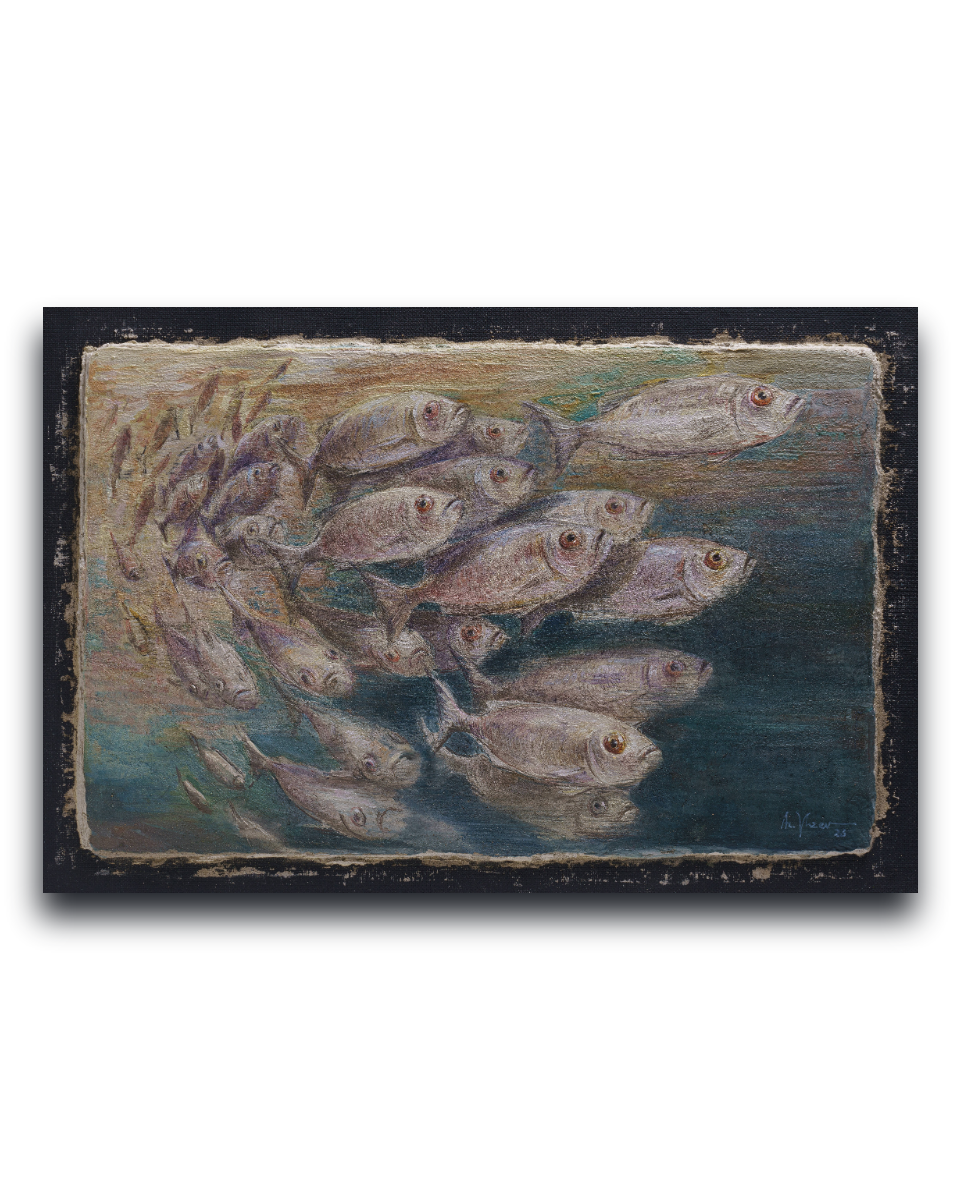
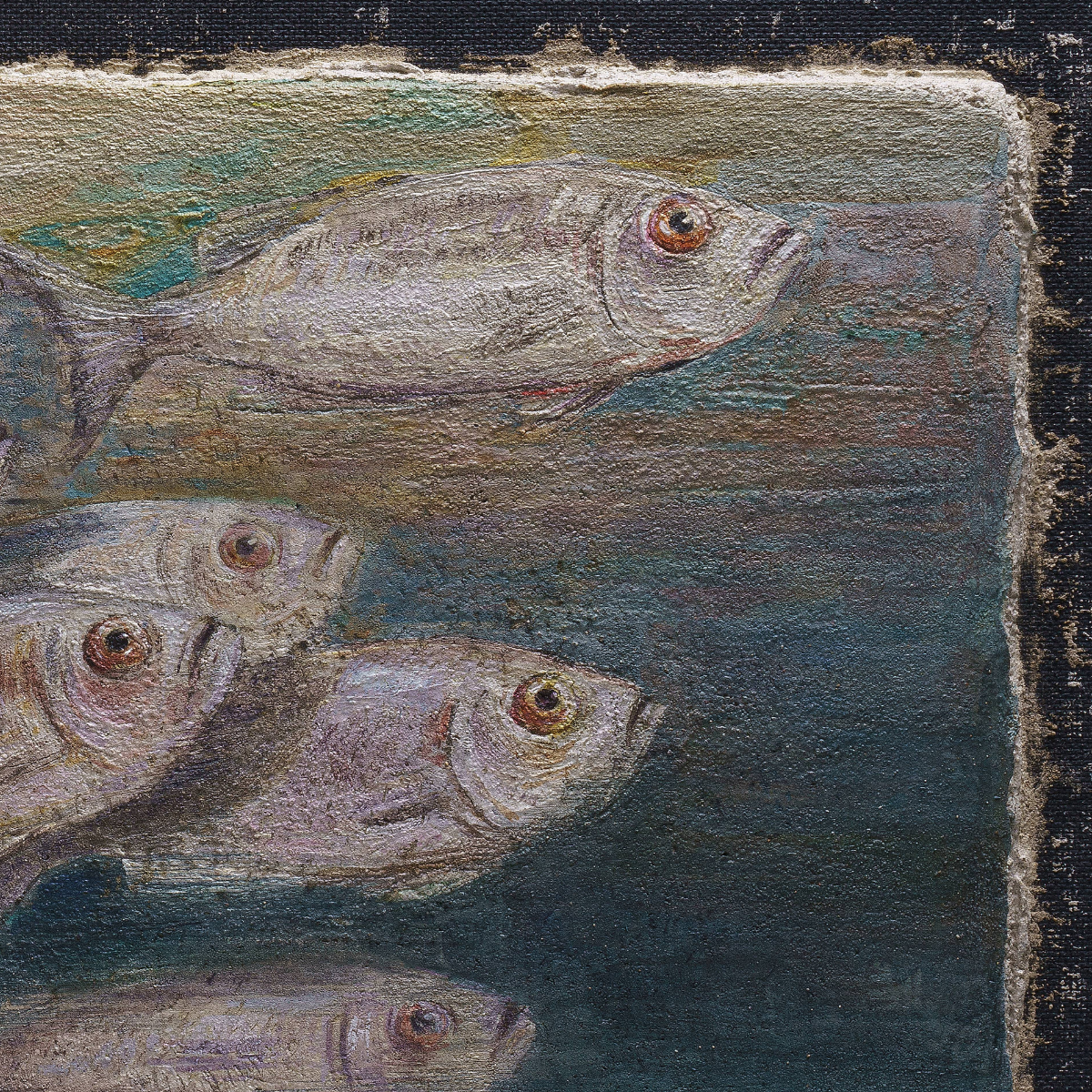
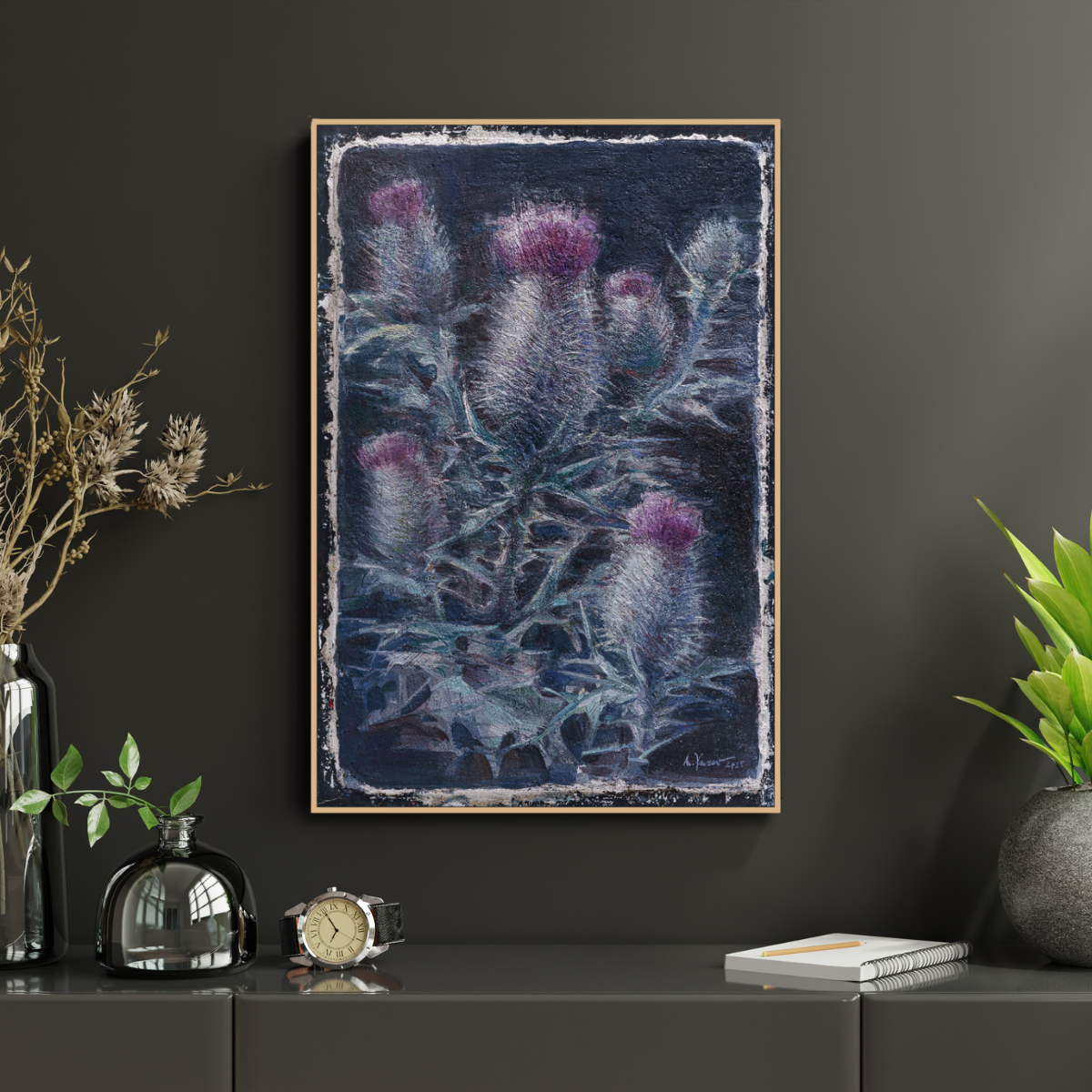
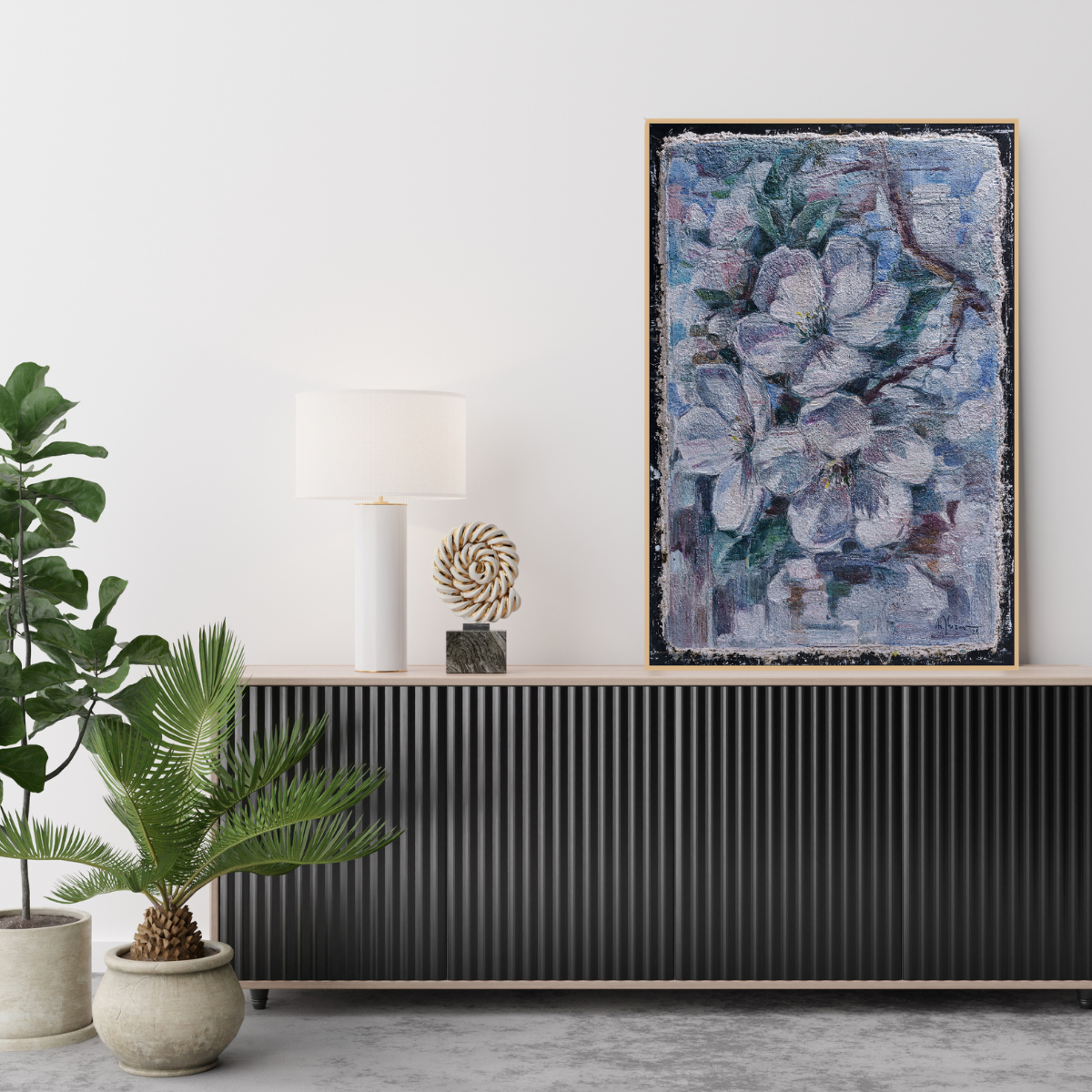
Gito Art is a contemporary art and interior brand dedicated to discovering artists from around the world who create exceptional works designed for living spaces. Our collections focus on LIMITED-EDITION art, collectible objects, photography, contemporary wall art, and unique reinterpretations of traditional artistic techniques — carefully curated for modern interiors.
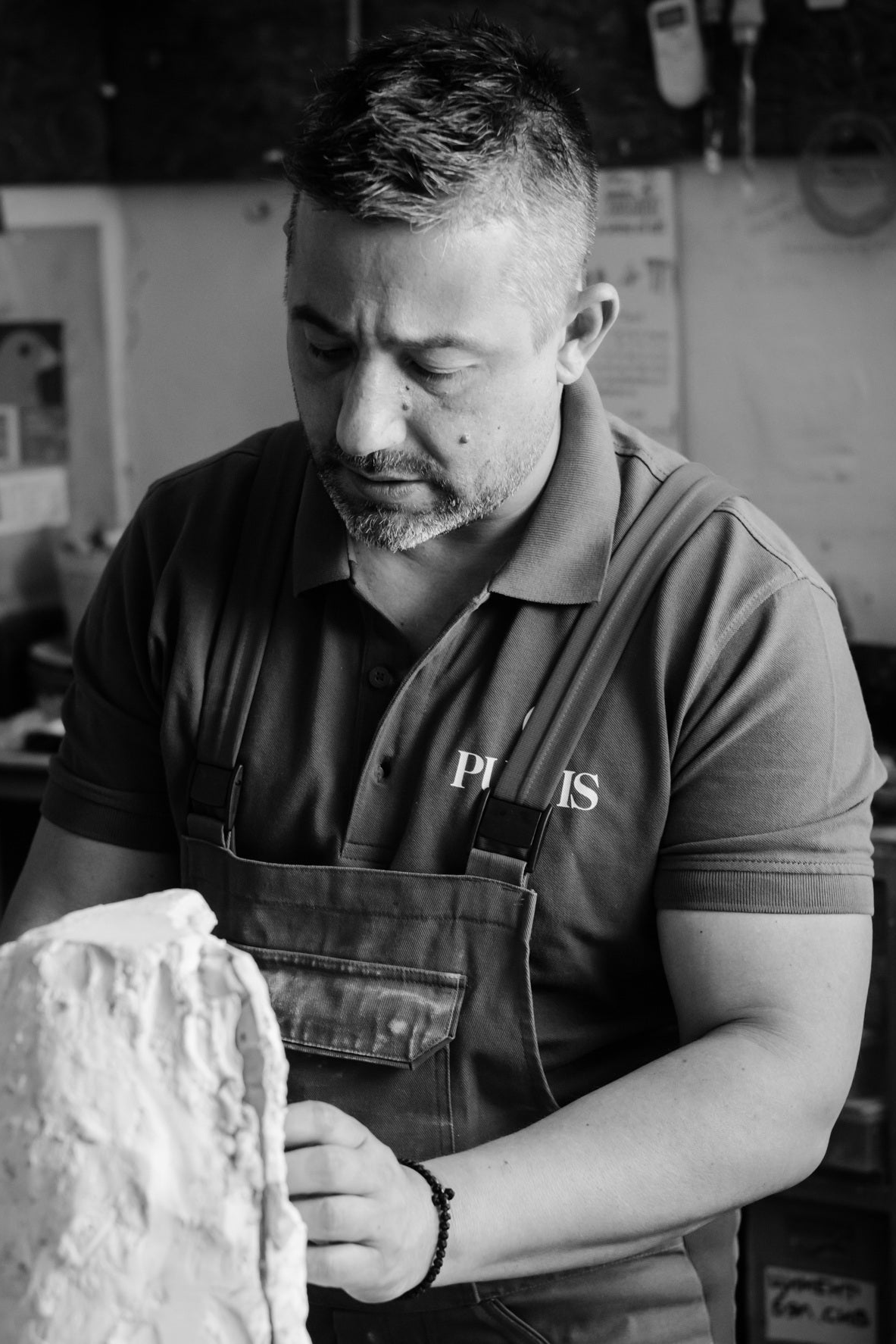
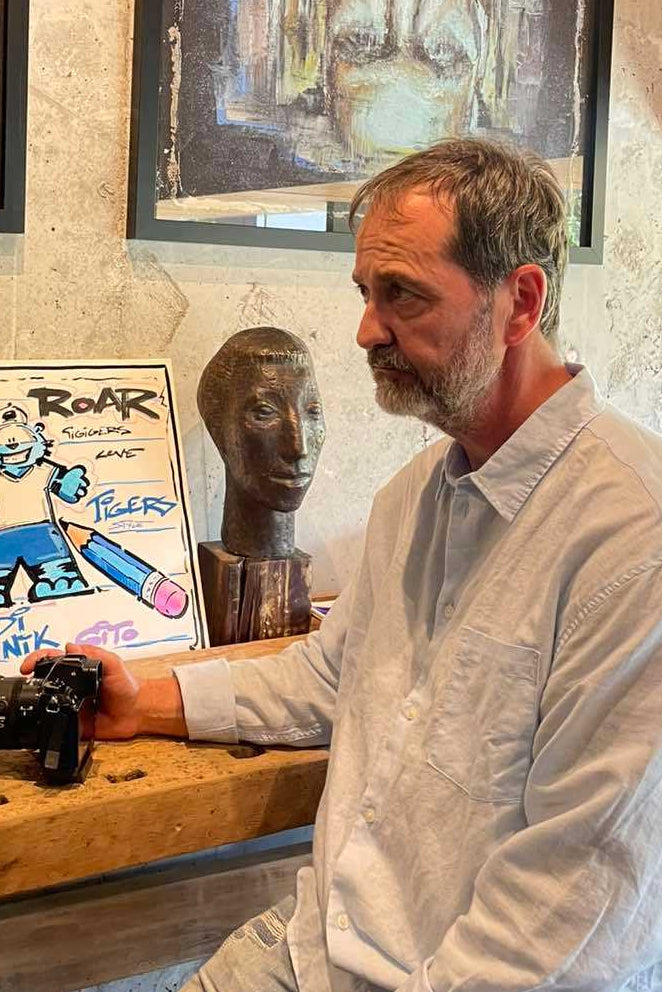
At Gito Art, we believe that great art begins with great artists. Our mission is to discover, support, and collaborate with creators whose work carries originality, craftsmanship, and emotional depth. From contemporary painters and photographers to tattoo artists and pop culture visionaries, each artist in our collection brings a unique perspective that transforms walls into stories and interiors into experiences.
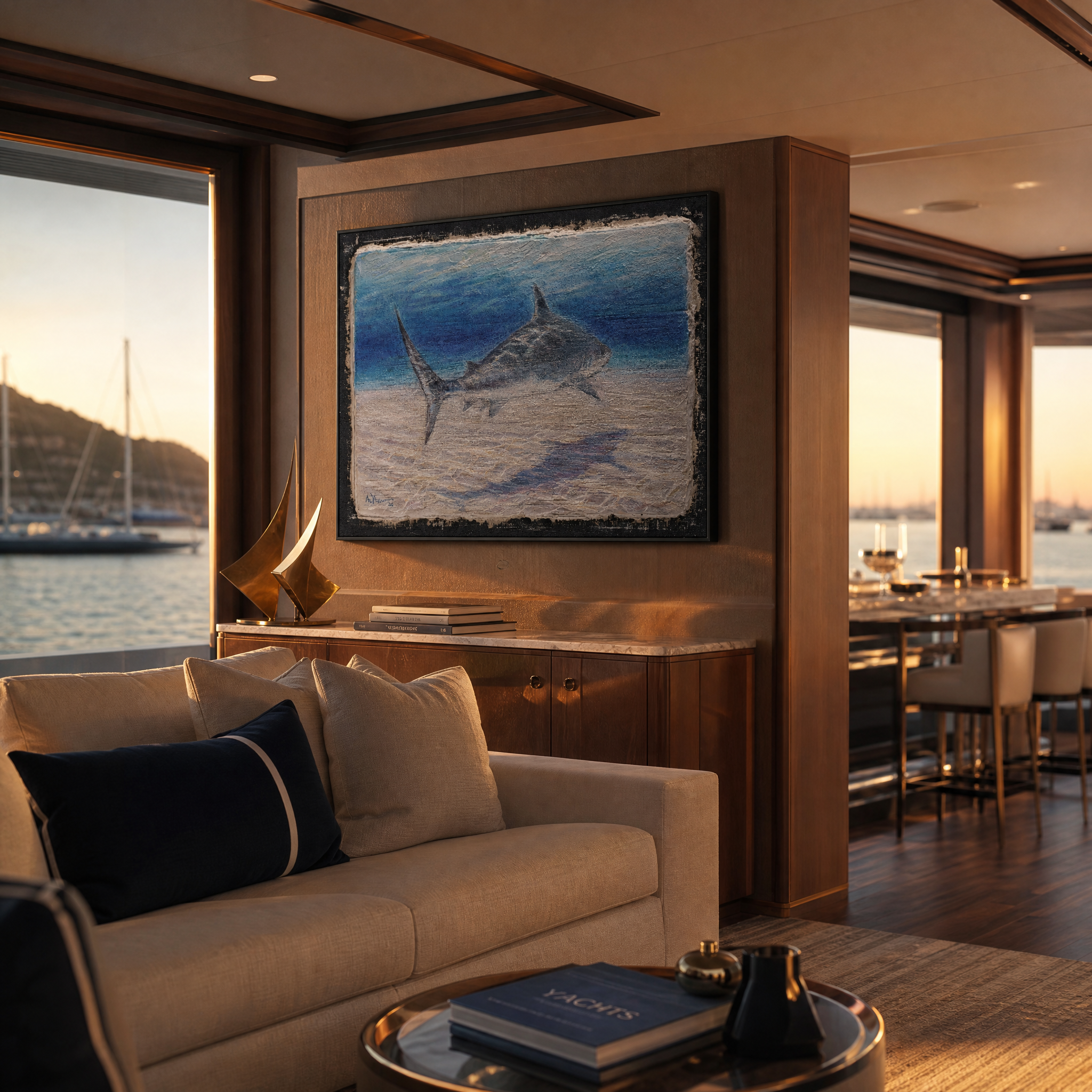
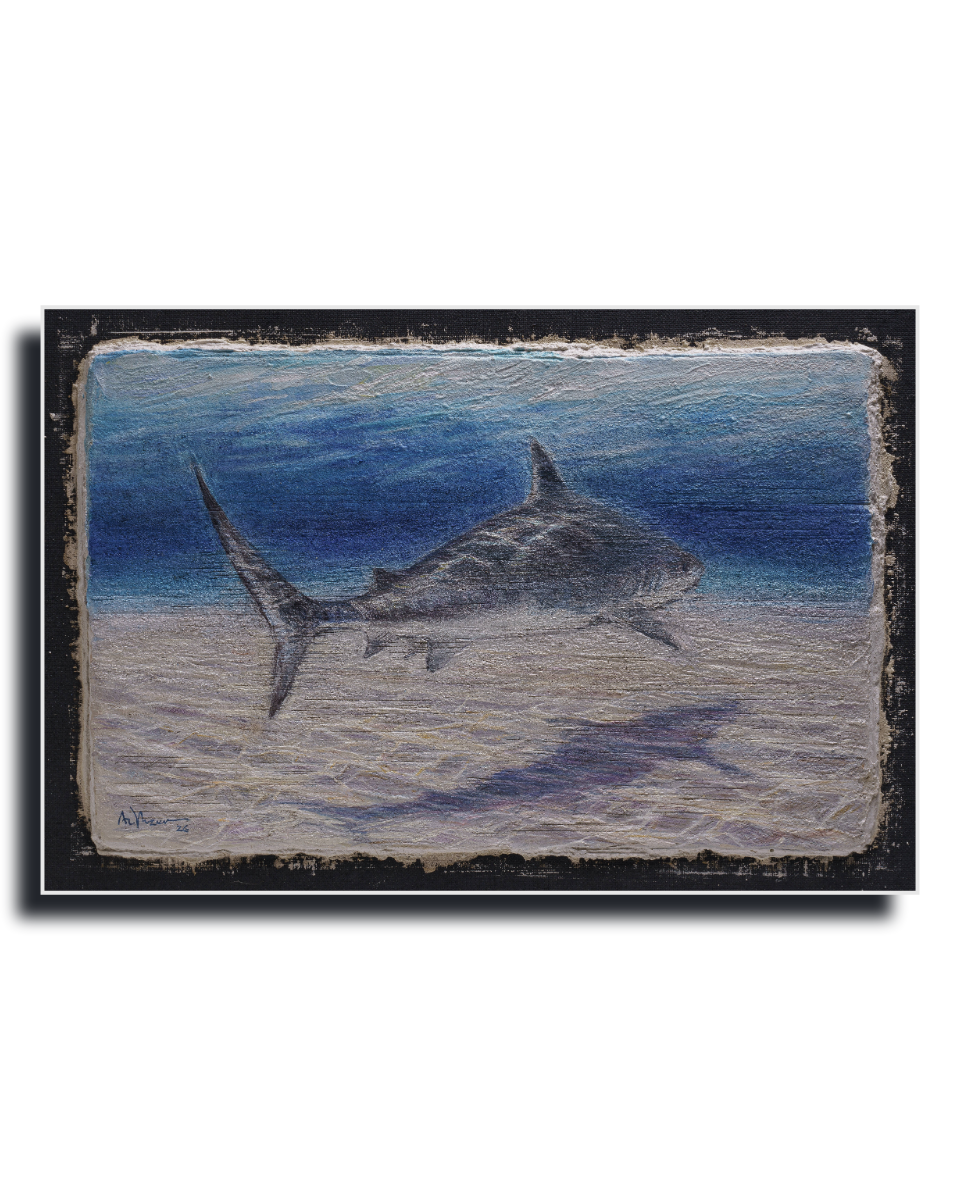
Not all frames are created equal, especially when it comes to the unique needs of fresco art. Because lime plaster is heavy, porous, and chemically active, it requires specialized framing solutions like deep shadow boxes or structural open-back cradles. Discover the museum-standard frames that allow your fresco to breathe while providing the structural support it needs to last for centuries. Learn which frames to avoid and how to highlight the raw, stone-like beauty of your artwork.
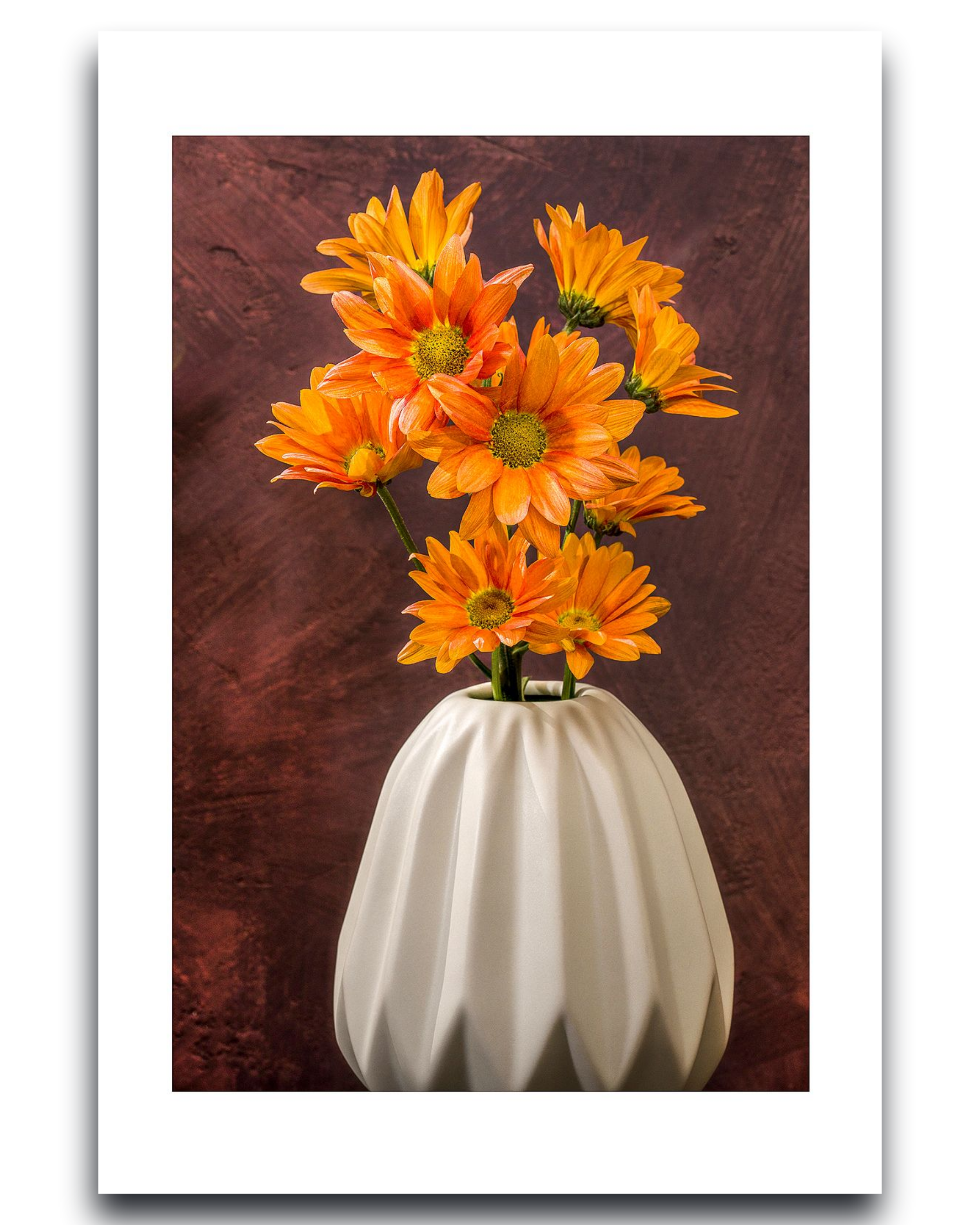
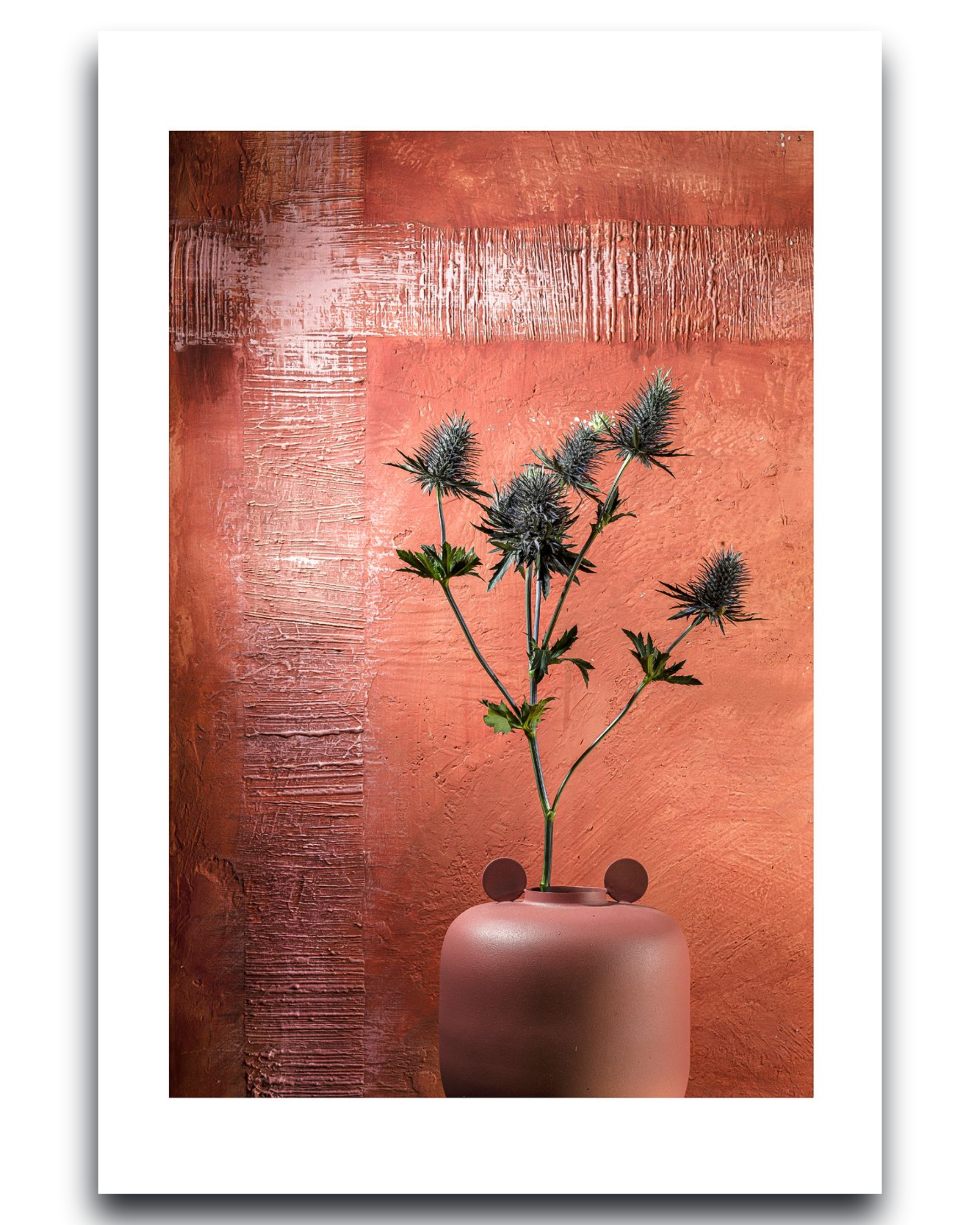
Hahnemühle paper is the world-renowned standard for museum-quality art, but its delicate fibers require a specialized approach to framing. From the chemistry of "acid migration" to the engineering of "T-hinge" mounting, learn how to protect your investment with professional archival techniques. Discover the essential materials that prevent yellowing and how to create a "breathing" frame environment that ensures your fine-art prints last for centuries.
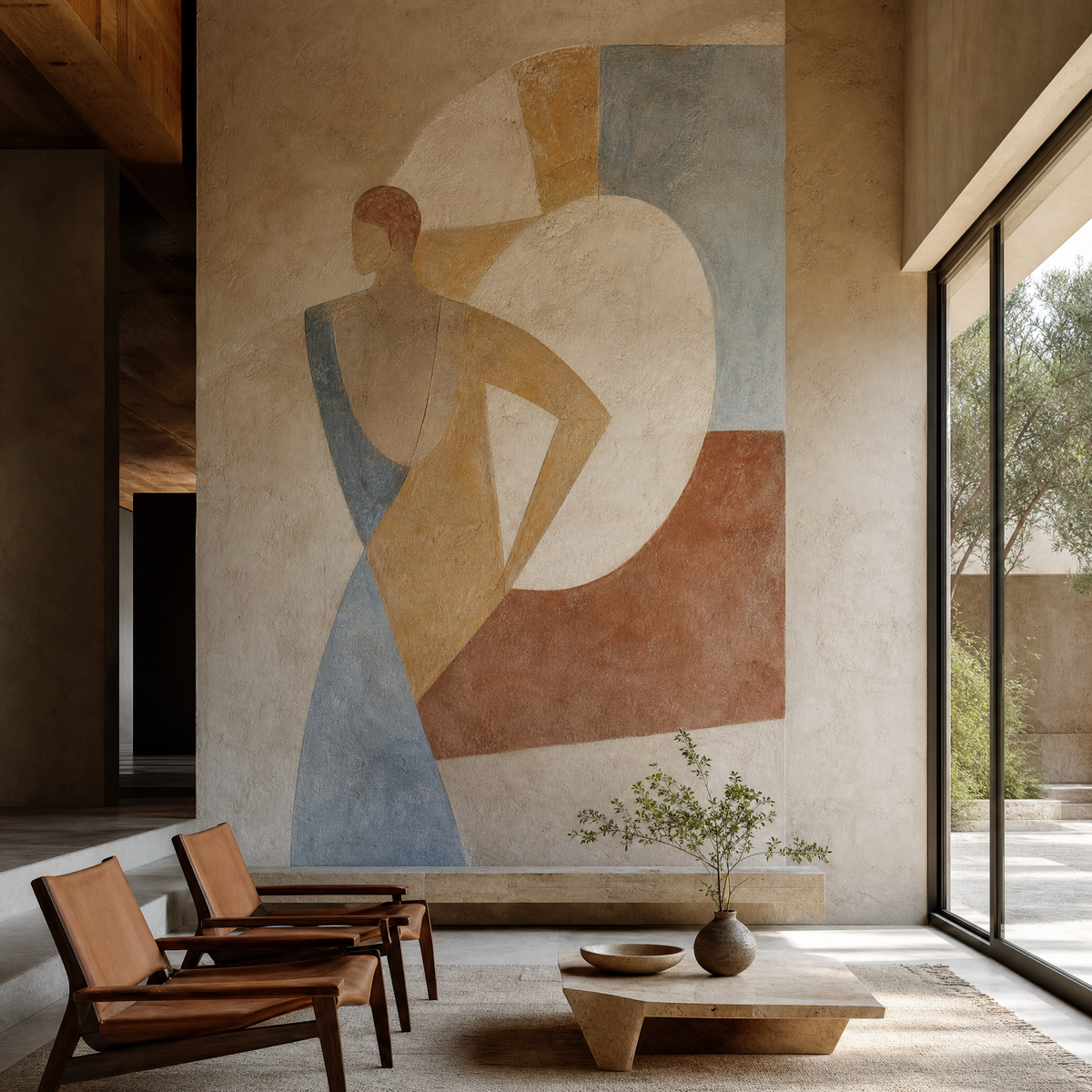
Fresco is making a massive comeback, but not just in museums. Modern architects are turning to this ancient "wet plaster" technique as a secret weapon for sustainable, green building design. Discover how the mineral chemistry of lime and earth pigments creates a VOC-free, carbon-absorbing wall finish that regulates humidity and lasts for centuries. Explore why the future of eco-friendly architecture is being built on the foundations of the past.