

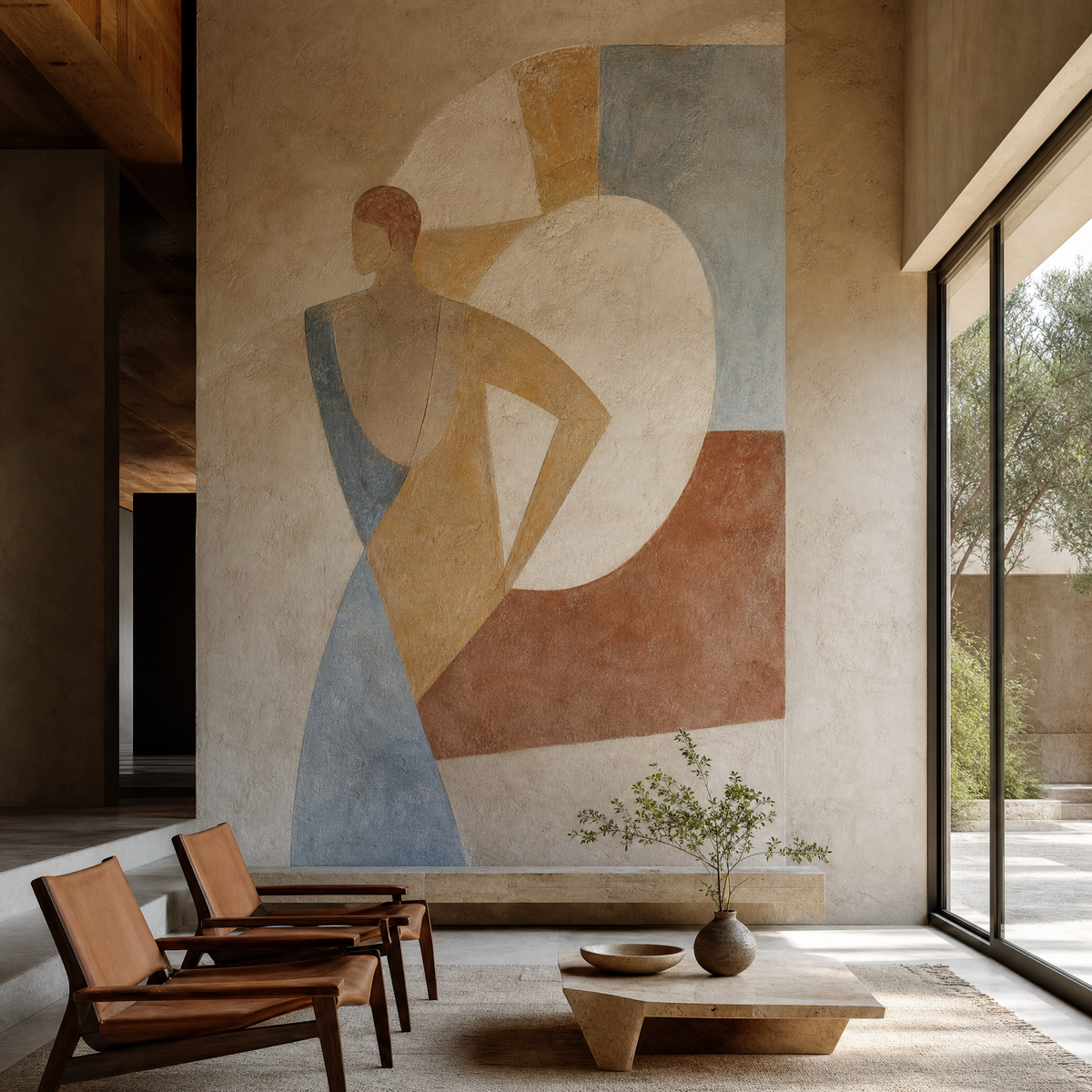
The Revival of Fresco in Modern Building Design: A Sustainable Solution for 21st-Century Architecture
Fresco, one of the oldest known painting techniques, has been embraced by architects and designers once again—not merely as decorative art, but as an environmentally responsible, sustainable material. Traditionally, fresco involves applying mineral pigments directly onto wet lime plaster. Once the plaster sets, the pigments become chemically bound to the wall through carbonation, creating an artwork that is durable, low-maintenance, and intrinsically integrated into the building's structure. Unlike paintings on canvas or synthetic materials, fresco is inherently long-lasting, non-toxic, and harmonious with natural building materials.
In recent years, the global shift toward eco-friendly construction has sparked a renewed appreciation for this ancient craft. Architects seeking sustainable, low-impact techniques are turning to frescoes not only for their beauty but for their significant contribution to healthy, environmentally responsible interiors.
Why Sustainability Matters in Architecture Today
Sustainability in architecture is no longer a niche concern; it is a global imperative. Buildings are responsible for a significant portion of global energy consumption and waste generation. Modern architects must prioritize lifecycle impact and indoor environmental quality. Fresco offers several compelling advantages in this regard:
-
Natural Materials: Lime plaster and mineral pigments are fully natural, biodegradable, and non-toxic. There are no volatile organic compounds (VOCs), making fresco a safe choice for high-traffic interior environments.
-
Exceptional Durability: Fresco walls can last centuries, reducing the need for repainting or replacement. This longevity aligns with the principles of sustainable design, where the most eco-friendly material is the one that doesn’t require frequent replacement.
-
Thermal and Moisture Regulation: Lime plaster is porous and hygroscopic. It can absorb excess humidity and release it slowly, stabilizing indoor climates without mechanical intervention. This contributes to energy efficiency by reducing the load on HVAC systems.
-
Reduced Carbon Footprint: The materials are often locally sourced—limestone and sand are found globally—which reduces transportation emissions compared to synthetic, factory-produced paints.
Materials and Techniques for Eco-Friendly Fresco
Modern sustainable fresco builds on centuries-old chemistry while adapting to contemporary architectural needs.
The Foundation: Lime Plaster (Intonaco)
The base for any fresco is lime plaster, which sets by absorbing carbon dioxide () from the air. This process turns the plaster back into calcium carbonate (stone), essentially "locking" the pigments into a geological layer.
Natural Pigments and Binders
Derived from earth, minerals, and oxides, pigments used in fresco are entirely non-toxic. Modern formulations strictly avoid heavy metals like lead while preserving the deep, earthy hues—ochres, siennas, and umbers—characteristic of traditional frescoes. While true fresco (buon fresco) relies solely on the chemical bond of the lime, contemporary applications may include natural fibers like hemp or flax to improve tensile strength and prevent micro-cracking in large-scale architectural installations.
Integration in Modern Interiors and Case Studies
One of the reasons frescoes are returning to modern architecture is their aesthetic versatility. Designers integrate frescoes seamlessly with contemporary materials like polished concrete, industrial steel, and expansive glass.
Modern Applications
-
Feature Walls: Large fresco murals in residential or commercial lobbies serve as natural focal points, reducing the need for additional petroleum-based decorative elements.
-
Acoustic Benefits: The textured, porous nature of lime plaster helps with sound absorption, making it an ideal choice for open-plan offices and luxury hotels.
-
Biophilic Design: Fresco aligns with biophilic principles by connecting occupants with natural mineral textures and earth-toned colors, which have been shown to improve psychological well-being.
Real-World Success
In Northern Europe, civic buildings have begun featuring large-scale frescoes as a sustainable decorative element specifically to reduce VOC exposure for the public. In the Mediterranean, boutique hotels are using fresco as an environmental management tool, relying on the lime's natural alkalinity to prevent mold in humid seaside climates.
Challenges and Solutions in Modern Construction
Integrating fresco into 21st-century buildings does come with technical challenges. Modern substrates like drywall require a specific lime-compatible primer to ensure the heavy plaster adheres correctly. Additionally, because fresco is a "wet" process, it requires careful coordination during the construction schedule to allow for proper carbonation. However, early collaboration between architects and fresco artisans ensures these technical requirements are met, resulting in a finish that is both a work of art and a high-performance building material.
Practical Tips for Architects and Developers
-
Plan Early: Integrate the fresco design during the architectural planning phase to ensure structural wall compatibility.
-
Preserve Breathability: Avoid the temptation to seal fresco with synthetic varnishes. This "suffocates" the plaster and prevents the natural moisture exchange that keeps the wall healthy.
-
Local Sourcing: Use regional sand and lime to minimize the project's total carbon footprint.
-
Maintenance: Simple dry brushing is usually all that is required for maintenance, avoiding the need for chemical cleaners.
A Modern Solution from the Past
The return of fresco in sustainable architecture demonstrates a compelling convergence of tradition and innovation. Once celebrated primarily for its cultural significance, fresco is now recognized as a functional, eco-friendly material. In an era where designers prioritize low-impact materials and long-term performance, fresco offers a rare combination of beauty, durability, and environmental stewardship. It is not merely an ornamental technique from the past—it is a sophisticated, modern solution for the future of green building.
Framing Frescoes: Choosing the Right Frames and Installation Methods for Long-Lasting Preservation
How to Properly Frame Hahnemühle Paper: Complete Archival Guide for Safe Mounting and Long-Term Preservation