

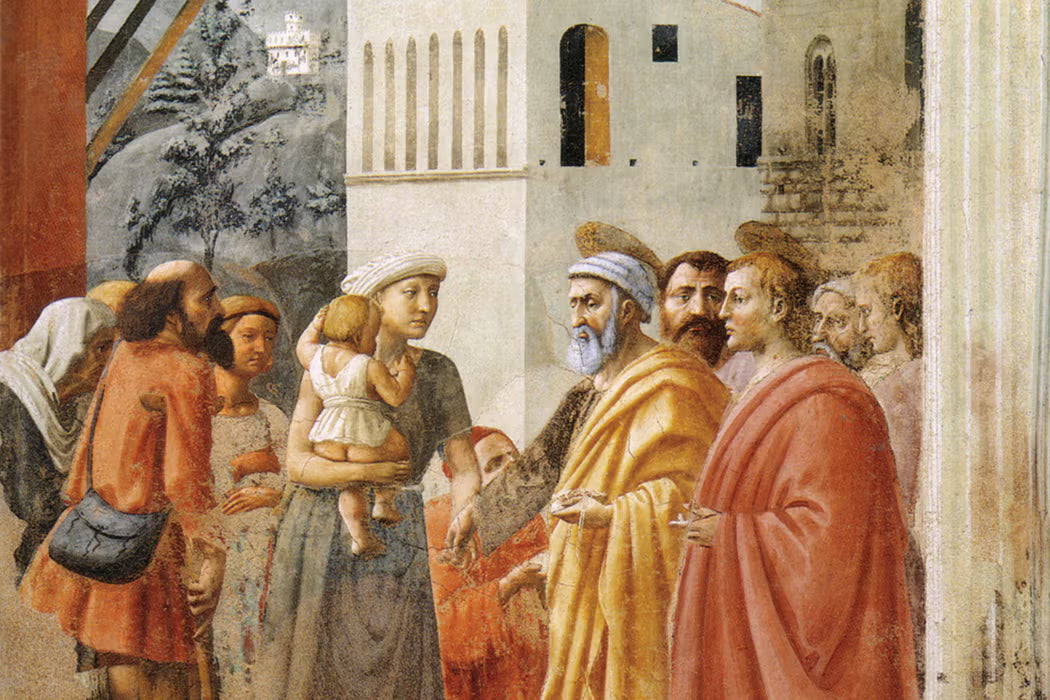
Buon Fresco vs Fresco Secco: A Comparative Guide to Two Timeless
Mural Techniques
Mural painting has long been a primary method for human societies to communicate stories, beliefs, and artistic expression. Within this tradition, two techniques—buon fresco and fresco secco—have been widely employed to achieve enduring and visually compelling wall art. Though both methods involve painting on plaster, they differ fundamentally in their chemical processes, durability, historical applications, and practical demands on the artist.
Understanding these distinctions is essential not only for art historians and conservators but also for contemporary muralists seeking to apply traditional techniques in modern contexts. This article offers a detailed comparison of buon fresco and fresco secco, highlighting the advantages, limitations, and historical significance of each approach.
Defining Buon Fresco and Fresco Secco
Buon Fresco — The “True Fresco” Technique
Buon fresco—literally “true fresco”—is the classical method in which mineral pigments are applied to freshly laid wet plaster. As the plaster dries, a chemical process called carbonation occurs, in which calcium hydroxide reacts with atmospheric carbon dioxide to form calcium carbonate. This reaction embeds the pigments into the plaster at a molecular level, producing an exceptionally durable surface.
Key characteristics of buon fresco include:
-Application on wet, fresh plaster (intonaco)
-Use of water-based mineral pigments
-Creation of a permanent bond between pigment and wall
-Typically executed in daily sections called giornate
Fresco Secco — Painting on Dry Plaster
Fresco secco, or “dry fresco,” is applied to a fully dried plaster surface. To ensure adhesion, pigments are mixed with organic or inorganic binders, such as egg, glue, casein, or oil. Unlike buon fresco, fresco secco does not chemically fuse with the wall; instead, the pigment rests atop the plaster.
Key characteristics of fresco secco include:
-Application on dry plaster
-Use of pigments with binders
-Allows for greater detail and correction after plaster has dried
-Typically less durable over time than buon fresco
Chemical and Technical Differences
Buon Fresco Chemistry
In buon fresco, the chemical reaction between lime plaster and carbon dioxide—carbonation—is central to its durability:
-Calcium hydroxide in wet plaster reacts with atmospheric CO₂ → forms
-calcium carbonate
-Pigments are absorbed into the plaster matrix as it crystallizes
-The painting becomes inseparable from the wall surface.
Because this process is chemical, rather than mechanical, buon fresco resists peeling, flaking, and fading, allowing works to survive for centuries.
Fresco Secco Chemistry
Fresco secco relies on the adhesive properties of a binder rather than chemical integration:
Pigments remain on the surface of dry plaster. The binder forms a thin film to hold pigment in place. Without periodic maintenance or environmental control, the surface is prone to flaking and fading over time. Chemically, fresco secco is more vulnerable than buon fresco because the pigments are not embedded into the plaster structure.
Durability and Longevity
Buon Fresco Durability
Due to its chemical fusion:
Buon fresco is extremely long-lasting, often surviving millennia under favorable conditions.
Resistant to humidity, temperature fluctuations, and sunlight. Some of the most famous frescoes, such as Michelangelo’s Sistine Chapel ceiling, demonstrate the technique’s extraordinary resilience.
Fresco Secco Durability
Fresco secco, while offering more flexibility for detail, is inherently less durable:
-Pigments can peel or fade if exposed to moisture
-Requires periodic restoration, especially in high-humidity environments
-Often used in conjunction with buon fresco for touch-ups or fine detailing, rather than as the primary medium
Historical Uses and Artistic Applications
Buon Fresco in History
Buon fresco has been the preferred method for monumental and permanent works:
Ancient Rome: murals in Pompeii and Herculaneum
Medieval Europe: ecclesiastical wall cycles depicting biblical narratives
Renaissance Italy: Giotto, Masaccio, Michelangelo, and Raphael employed buon fresco for large-scale chapels, palaces, and civic buildings.
Because it requires careful planning and rapid execution, buon fresco is most suitable for architectural and narrative art intended to endure.
Fresco Secco in History
Fresco secco often served complementary or corrective purposes:
-Used for detailing within larger buon fresco cycles
-Employed when plaster was dry and no longer receptive to wet pigment
-Common in later periods and in environments where frequent touch-ups were necessary.
Examples include some Renaissance chapel frescoes, where secco highlights were added for finer details.
Advantages and Limitations for Artists
Advantages of Buon Fresco
-Exceptional durability ensures the artwork survives centuries
-Natural matte luminosity provides a soft, uniform aesthetic
-Encourages precision and decisive execution due to the drying process
-Ideal for large-scale, integrated mural compositions
Limitations of Buon Fresco
-Requires strict timing; plaster must remain wet
-Less forgiving of mistakes; corrections are challenging
-Labor-intensive, often requiring teams of assistants
-Limited range of pigments due to alkaline sensitivity
Advantages of Fresco Secco
-Permits corrections and detailed additions after plaster has dried
-Can utilize a broader range of pigments, including some that would not survive wet plaster
-Allows slower, more meticulous work, suitable for fine detailing
-Less physically demanding than working on freshly laid plaster
Limitations of Fresco Secco
-Less durable, susceptible to flaking and fading
-Requires binders which can deteriorate over time
-Typically used as a secondary technique rather than the primary medium for monumental murals
Practical Considerations for Modern Artists and Conservators
Choosing Between Buon Fresco and Fresco Secco
Modern muralists and conservators must balance durability, working time, and desired effects:
-Use buon fresco for long-term, architectural integration, especially in humid or exposed environments.
-Use fresco secco for fine detail, touch-ups, or color variations that cannot be achieved in wet plaster
-Often, the two techniques are combined: buon fresco provides the structural and permanent base, while fresco secco refines and enhances the composition.
Conservation Implications
-Buon fresco requires minimal maintenance over centuries if environmental conditions are stable.
-Fresco secco requires periodic restoration and careful environmental control.
-Understanding the chemical differences is critical for effective preservation and restoration strategies.
Buon fresco and fresco secco represent two complementary yet distinct approaches to mural painting. Buon fresco excels in permanence, architectural integration, and historical continuity, whereas fresco secco offers flexibility, precision, and adaptability.
Historically, artists have often combined these techniques to maximize both durability and aesthetic refinement.
For scholars, artists, and conservators, understanding these distinctions is crucial for appreciating the technical mastery, historical context, and lasting beauty of fresco art. Buon fresco embodies the enduring legacy of mural painting, while fresco secco demonstrates the ingenuity and adaptability of artists working within this complex and demanding medium.
Fresco Studies on Paper: Using Hahnemühle for Cartoons and Color Tests
How Fresco Painting Works: Step-by-Step Process Explained