

The Power of Fresco as a Storytelling Medium
Visual Narratives for Public and Sacred Spaces
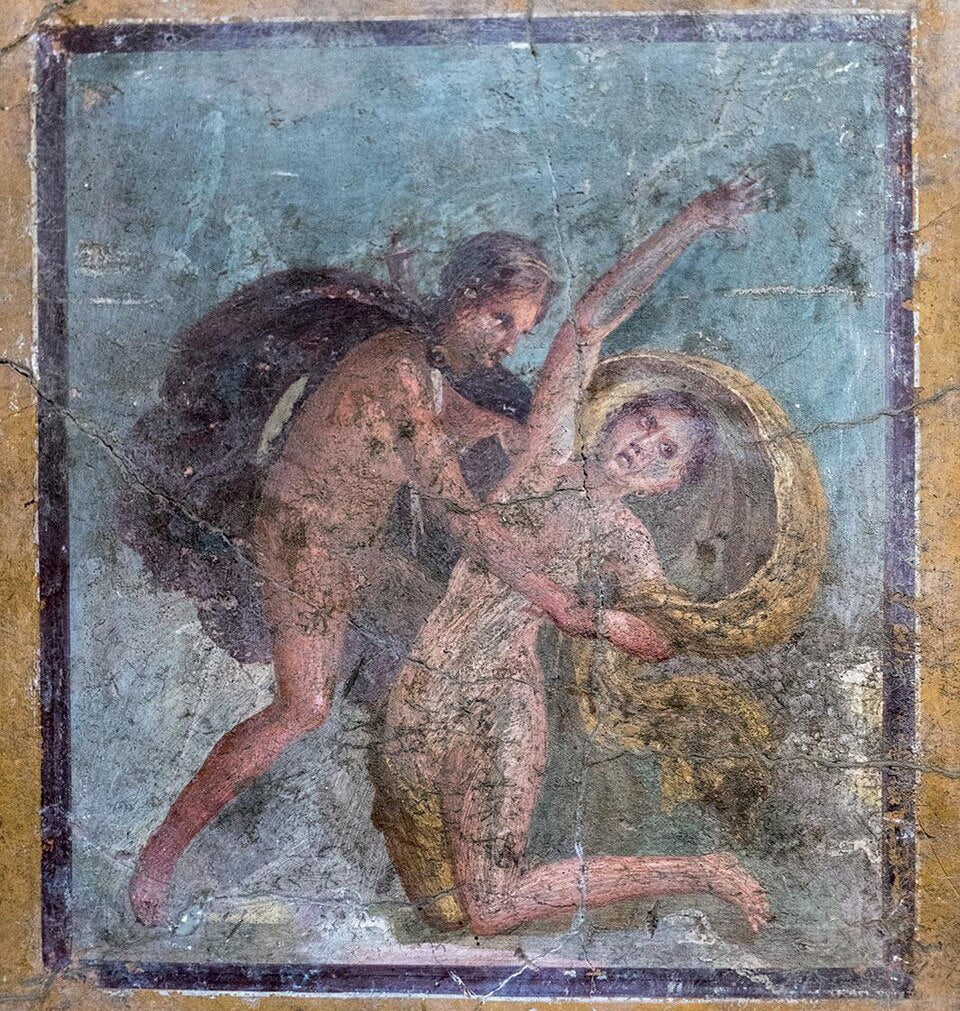
Frescoes have long served as immersive storytelling tools, transforming walls and ceilings into dynamic narrative landscapes. Unlike small-scale paintings, frescoes could envelop entire rooms, guiding viewers through sequential stories in churches, palaces, and civic halls. From biblical accounts and saintly lives to civic triumphs and mythological tales, frescoes made complex narratives accessible to all, including audiences who were illiterate or unfamiliar with classical literature.
The scale of frescoes—spanning entire walls, domes, and vaults—allowed artists to create an enveloping experience. For example, Giotto’s frescoes in the Arena Chapel in Padua visually narrate the lives of Christ and the Virgin Mary across multiple registers, providing both devotional instruction and aesthetic wonder for the faithful.
Allegory and Symbolism
Beyond literal storytelling, frescoes employed rich symbolic language. Saints, mythological figures, animals, and architectural motifs conveyed layered ideas, virtues, or warnings. Allegorical characters could embody abstract concepts like Justice, Wisdom, Temperance, or Fortitude, providing moral guidance through visual cues. Viewers were invited to interpret and internalize these messages, deepening the educational and spiritual impact of the artwork.
Integration With Architecture
Frescoes were rarely isolated artworks; they were carefully integrated with the building’s architecture. Columns, arches, vaults, and ceiling curves were incorporated into compositions, creating a harmonious interplay between structure and image. This integration allowed the narrative to interact with the physical space, enhancing the immersive experience. A viewer standing beneath a vaulted ceiling painted with ascending figures, for instance, would feel as though the story extended beyond the wall, engaging physically as well as visually.
Religious Frescoes and Biblical Storytelling
Sequential Storytelling
Churches and cathedrals often used fresco cycles to narrate biblical events in chronological order—from the Creation to the Last Judgment. Scenes were arranged in registers or panels, subtly guiding viewers’ eyes through the story. This organization reinforced liturgical teachings and created a visual rhythm, helping congregations remember key theological lessons.
Saints and Martyrdom
The lives of saints were among the most popular fresco subjects. Frescoes depicted trials, miracles, and martyrdoms, offering moral exemplars and spiritual inspiration. Artists emphasized key narrative moments through scale, posture, and composition, ensuring viewers could grasp the story and its moral significance even from a distance. Examples include the fresco cycles of St. Francis in Assisi, which illustrate pivotal moments of his life and divine visions, making spiritual concepts tangible.
Moral and Didactic Functions
Frescoes were vital teaching tools for communities with limited literacy. Through symbolism, gestures, and repeated motifs, viewers could understand ethical, spiritual, and social ideals. This instructional function made frescoes essential to both sacred and communal life, reinforcing cultural values and ethical norms visually.
Civic Frescoes and Secular Narratives
Historical Commemoration
In civic settings, frescoes recorded political victories, treaties, and local history. Town halls, guild halls, and palaces frequently commissioned murals to celebrate civic identity, educate citizens, and communicate institutional power. For instance, Renaissance civic frescoes often commemorated the founding of a city, its patron saints, or important historical figures, creating a public narrative that reinforced collective memory.
Allegorical Representations of Virtues
Civic frescoes regularly featured personifications of virtues such as Justice, Prudence, Fortitude, and Temperance. These allegorical figures served as visual reminders of societal ideals and guided behavior in public and private life, demonstrating how art could embody moral philosophy.
Mythology and Cultural Pride
Artists also drew inspiration from classical myths to express civic pride and sophistication. Figures from Greek and Roman mythology symbolized valor, wisdom, or lineage, blending aesthetic beauty with instructive storytelling. For example, frescoes depicting Hercules’ labors or Roman gods could communicate lessons on strength, courage, and civic responsibility while asserting cultural heritage.
Techniques for Effective Storytelling in Fresco
Composition and Perspective
Artists carefully arranged figures, architecture, and landscapes to guide viewers’ attention across the narrative. Techniques like linear perspective, foreshortening, and hierarchical scaling emphasized central figures, created depth, and established clear visual hierarchies. Frescoes on domes or curved surfaces required precise adjustments to prevent distortion, ensuring the story was legible from multiple vantage points.
Color and Light
Strategic use of color and contrast highlighted focal points, differentiated characters, and set mood. Mineral pigments in fresco offered durable vibrancy, allowing colors to maintain intensity for centuries. Artists manipulated light and shadow to create drama, motion, and emphasis, ensuring that each narrative element was visually distinct and emotionally resonant.
Gesture and Expression
Physical gestures, facial expressions, and body language were key storytelling tools. Fresco artists relied on recognizable, expressive poses to convey action, emotion, and intent. These visual cues made narratives legible even to distant viewers, demonstrating the artist’s understanding of human psychology and communication through form.
Iconographic Conventions
Religious Symbols
Objects, animals, and figures conveyed specific meanings. For instance:
-
A lamb symbolized Christ.
-
A dove represented the Holy Spirit.
-
Books indicated learning or scripture.
Familiar iconography allowed viewers to interpret complex narratives intuitively.
Civic and Political Symbols
Crowns, scepters, coats of arms, and architectural motifs communicated authority, status, and institutional identity. These symbols were integrated seamlessly, conveying social and political messages without disrupting the narrative flow.
Continuity and Repetition
Recurring symbols and figures reinforced storylines and visual rhythm. Repetition helped viewers follow multi-panel narratives, maintaining consistency across large-scale works and enhancing memorability.
Modern Applications of Fresco Storytelling
Contemporary Narrative Frescoes
Modern fresco artists continue exploring allegorical and narrative content, often reflecting contemporary social, political, or environmental issues. These works demonstrate fresco’s versatility as a medium for storytelling, bridging historical technique with modern sensibilities.
Educational and Cultural Use
Fresco iconography is studied in art history programs, cultural heritage workshops, and studio practices. Learning to “read” frescoes develops visual literacy, enabling students and enthusiasts to understand historical context, symbolism, and narrative intent.
Digital Preservation and Interpretation
High-resolution photography, 3D scanning, and virtual reconstructions allow fresco narratives to reach global audiences. Digital tools can highlight intricate iconography, reveal hidden details, and provide context for educational purposes, ensuring fresco storytelling continues to inspire beyond physical locations.
Fresco has always been a powerful medium for storytelling, combining narrative clarity, allegorical depth, and architectural integration. From sacred spaces to civic halls, frescoes communicated spiritual, moral, and social messages across generations. Their careful use of composition, color, gesture, and symbolism made complex stories visually legible to all audiences.
Today, contemporary artists, educators, and designers draw inspiration from these principles, ensuring that fresco remains a bridge between history and modernity, enriching public and private spaces with immersive narrative art.
Famous Fresco Masterpieces and Where to See Them: A Guide for Art Lovers
Contemporary Fresco Artists Leading the Revival