

Famous Fresco Masterpieces and Where to See Them: From Ancient Walls to Modern Murals
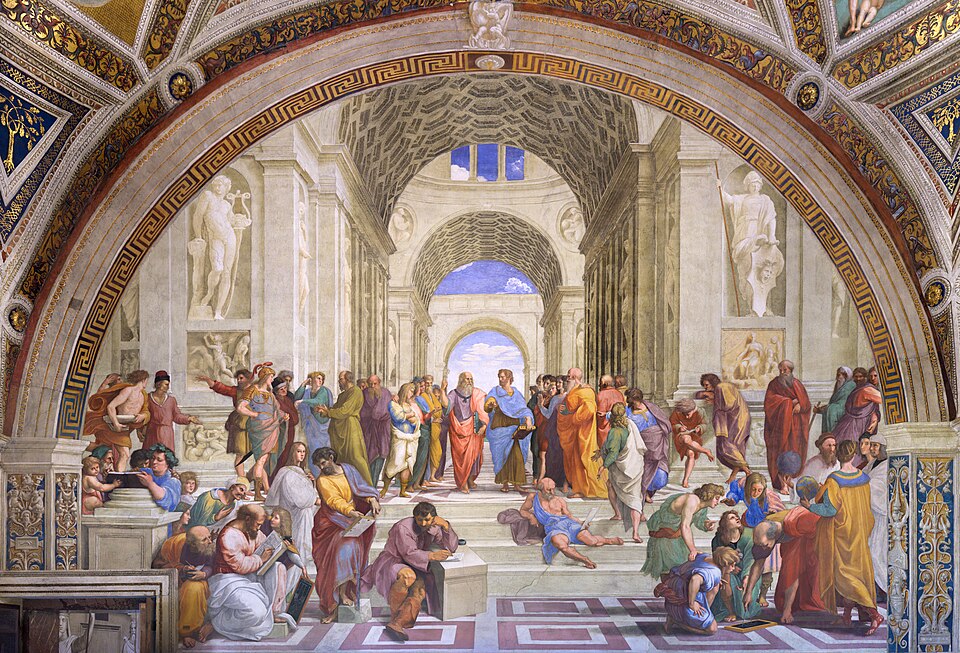
Fresco painting, one of the most enduring forms of mural art, has fascinated audiences for centuries. From ancient Roman villas to Renaissance chapels and modern Mexican murals, frescoes offer insight into human creativity, culture, and history. Beyond their artistic significance, they also serve as windows into the societies that produced them. This article provides a guide to some of the most famous fresco masterpieces in the world, highlighting their historical context, stylistic features, and locations where they can be admired today. It is an essential resource for art enthusiasts, historians, travelers, and students seeking to experience frescoes firsthand.
Pompeii — Ancient Roman Frescoes Preserved by Catastrophe
Historical Context
The Roman city of Pompeii, buried in volcanic ash after the eruption of Mount Vesuvius in 79 CE, preserves an extraordinary collection of frescoes. These works decorated private homes, villas, and public buildings, providing a vivid glimpse into daily life, mythology, and Roman aesthetics.
Artistic Features
Pompeian frescoes are renowned for their rich use of color, particularly reds, ochres, and blues; naturalistic depictions of landscapes, architecture, and figures; and the early use of perspective and trompe-l’œil (illusionistic techniques). Notable sites include the Villa of the Mysteries, famous for its enigmatic Dionysian cycle, and the House of the Vettii, which features intimate domestic scenes and elaborate decorative panels.
Visiting Today
Pompeii is open to the public, with preserved frescoes accessible throughout the archaeological site. Guided tours provide historical context and highlight the technical mastery of Roman painters.
The Sistine Chapel — Michelangelo’s Monumental Renaissance Fresco
Historical Context
Commissioned by Pope Julius II between 1508 and 1512, Michelangelo’s ceiling fresco in the Sistine Chapel, Vatican City, represents the pinnacle of Renaissance fresco painting. The project required extraordinary technical skill, planning, and endurance.
Artistic Features
The Sistine Chapel ceiling demonstrates a mastery of human anatomy and expressive gestures, complex narrative cycles from Genesis (including the Creation of Adam), and the use of vibrant mineral pigments. Michelangelo’s later work, The Last Judgment on the altar wall (1536–1541), further showcases the artist’s evolution in fresco technique.
Visiting Today
Visitors to Vatican City can view the frescoes within the Sistine Chapel. Due to the fragile nature of frescoes and high visitor volume, strict preservation measures are in place, including limited access and climate control.
Scrovegni Chapel — Giotto’s Proto-Renaissance Masterpiece
Historical Context
Located in Padua, Italy, the Scrovegni Chapel (also called the Arena Chapel) was decorated by Giotto di Bondone around 1305. Commissioned by Enrico Scrovegni, the chapel frescoes were intended to inspire devotion and illustrate biblical stories for the largely illiterate population.
Artistic Features
Giotto’s frescoes are celebrated for pioneering the use of three-dimensional space and perspective, as well as expressive human figures conveying emotion. The cycle includes scenes from the life of the Virgin Mary and Christ, blending theological meaning with artistic innovation.
Visiting Today
The Scrovegni Chapel is open to visitors through guided tours, often limited in group size to protect the delicate frescoes. Audio guides explain the narrative, artistic techniques, and historical significance.
Villa of the Mysteries — Enigmatic Dionysian Frescoes
Historical Context
The Villa of the Mysteries, near Pompeii, is famous for its mysterious and highly stylized frescoes depicting initiation rites into the cult of Dionysus. Created shortly before the eruption of Mount Vesuvius, the cycle provides insight into Roman religious practices and ceremonial life.
Artistic Features
The frescoes are notable for life-size figures interacting in continuous narrative friezes and dramatic compositions with a strong emotional presence. Unlike many domestic Roman frescoes, the Villa’s cycle is cohesive and thematic, reflecting a single, focused commission.
Visiting Today
The villa is accessible via the Pompeii archaeological site. Preservation efforts ensure that visitors can experience the frescoes in situ, maintaining both context and visual impact.
Mexican Muralism — Modern Fresco Revival
Historical Context
In the 20th century, Mexican muralists revived and adapted fresco techniques to reflect social, political, and cultural themes. Artists such as José Clemente Orozco, Diego Rivera, and David Alfaro Siqueiros brought fresco into public spaces, creating monumental murals that celebrated history, labor, and national identity.
Artistic Features
Mexican frescoes are characterized by large-scale public compositions covering government buildings, schools, and cultural centers. They utilize bold color and dramatic forms to deliver social and political narratives accessible to broad audiences.
Visiting Today
Major frescoes are viewable in public buildings such as the Palacio de Bellas Artes and the National Preparatory School in Mexico City. Visitors can study the technical mastery and modern adaptation of traditional fresco methods.
Key Insights and Planning Your Visit
Summary of Significance
-
Durability: Frescoes survive centuries due to the chemical integration of pigments in plaster (buon fresco).
-
Integration: Frescoes enhance the spatial experience, transforming rooms into immersive environments.
-
Narrative Power: They communicate stories of gods, heroes, and social ideals across generations.
Planning Tips
-
Research opening hours and guided tour requirements, as many sites restrict access.
-
Respect photography and touching restrictions to preserve the delicate surfaces.
-
Use audio guides or expert-led tours to fully appreciate the technique and context.
-
Pair visits with broader cultural exploration of the surrounding historical districts.
Priceless History
Frescoes are more than decorative art; they are windows into history. Whether you are an art lover, a student, or a traveler, visiting these masterpieces provides an unforgettable encounter with human creativity, endurance, and vision.
Hahnemühle Paper: Full Overview — Product Lines, Characteristics and Best Practices
Iconography and Storytelling Through Fresco