

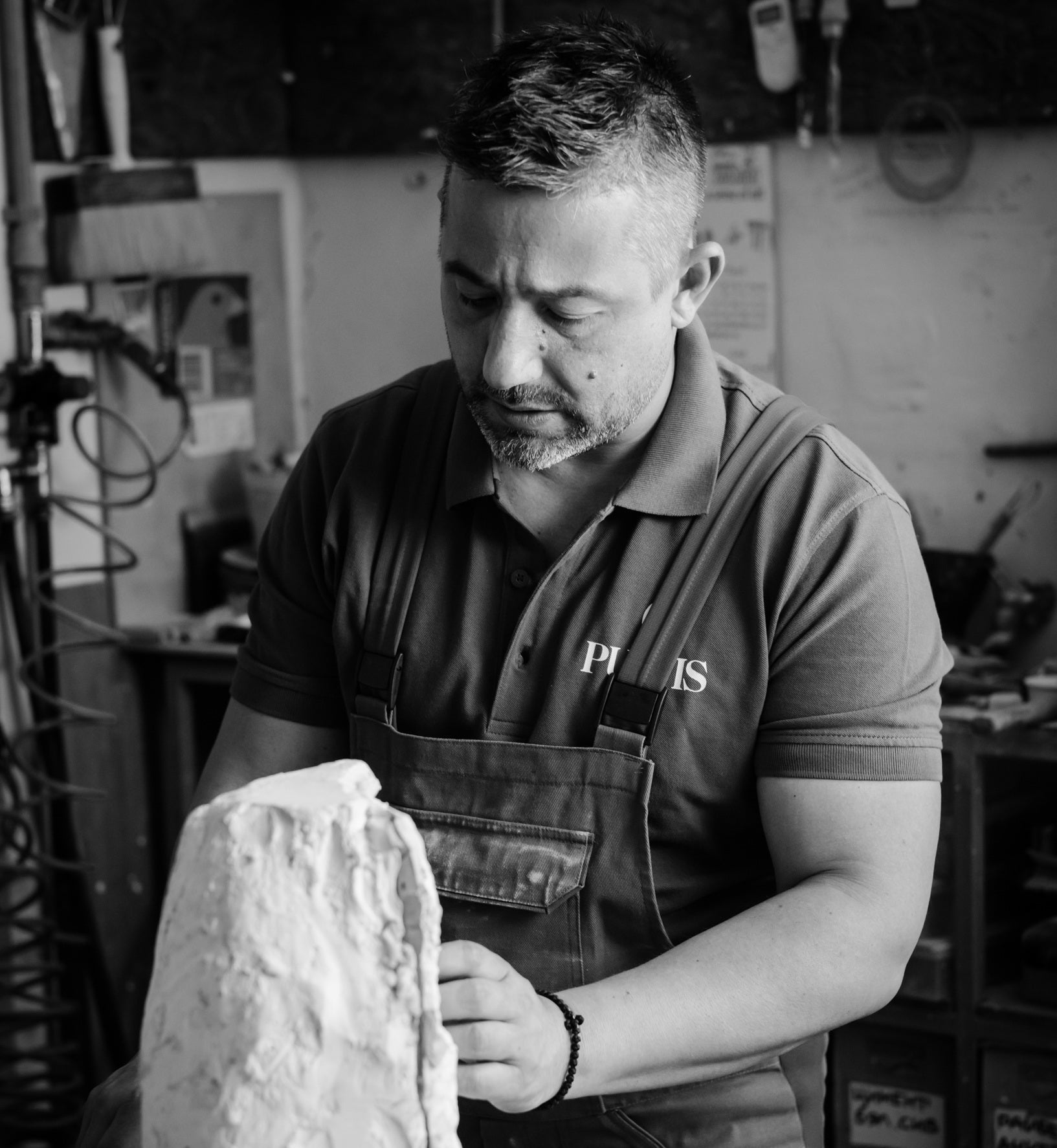
Modern Practitioners Bringing Fresco Back to Life
The ancient and demanding art of fresco—painting on wet, fresh plaster—is experiencing a global renaissance. Once the exclusive domain of monumental wall and ceiling commissions, fresco dominated artistic expression during the Italian Renaissance and beyond. Today, a new generation of artists is breathing fresh life into this labor-intensive medium, demonstrating that its permanence, tactile beauty, and material authenticity are profoundly relevant in the 21st century.
This contemporary revival is driven by artists seeking depth, materiality, and a genuine connection to art history, while simultaneously adapting the medium to modern, conceptual, and sustainable artistic demands. They embrace fresco not only for its aesthetic qualities but also for the meditative, deliberate process it requires, creating works that contrast sharply with the speed and ephemerality of digital media.
Rediscovering an Ancient Medium
Fresco appeals to contemporary artists because of its historical resonance and material integrity. The technique’s central feature—the chemical fusion of mineral pigments with wet lime plaster—produces a surface of unparalleled permanence and texture. Unlike paint on canvas, fresco becomes physically embedded into the wall, creating a lasting, site-specific artwork that cannot be separated from its architectural context.
Modern practitioners value the deliberate, meditative pace demanded by fresco. Working in carefully measured sections, or giornate, artists engage deeply with material properties and planning, fostering a reflective approach to creation. The resulting surfaces, rich with mineral pigments, possess a unique luminosity and tactility, qualities that cannot be reproduced digitally or with synthetic paints. This physical connection to the medium allows contemporary frescoes to resonate both visually and conceptually with audiences.
Sustainability and Material Innovation
A central factor in fresco’s contemporary appeal is its eco-conscious materiality. Lime plaster and natural mineral pigments are non-toxic, low-impact, and derived from the earth, aligning perfectly with sustainable architecture and environmentally aware art-making practices.
Fresco contributes to healthy indoor air quality, as lime plaster is naturally breathable and VOC-free. Its longevity minimizes the need for frequent replacement, reducing environmental footprint. These qualities make fresco an attractive medium for modern residential, public, and commercial spaces, where authenticity, durability, and environmental responsibility are increasingly valued.
Leading Figures in the Contemporary Fresco Movement
The contemporary fresco movement is diverse, encompassing both classical purists and radical innovators:
Artists Reviving Traditional Techniques
A core group of artists focuses on mastering historical methods. They study ancient plaster recipes, pigment grinding techniques, and workshops used by Renaissance masters like Giotto, Masaccio, and Michelangelo. By understanding historical fresco construction, they create works that feel both timeless and innovative, often emphasizing narrative or figurative themes that honor fresco’s historical role in storytelling.
Innovators in Modern Fresco
Other artists experiment with hybrid and mixed techniques. By combining traditional plaster with acrylics, metallic pigments, or epoxy resins, they expand the medium beyond walls. These artists often create smaller, portable panels or gallery-ready works, integrating photography, text, or digital overlays. This approach allows fresco to engage contemporary art markets without the constraints of monumental architecture.
International Perspectives
The contemporary fresco revival is global:
-
Europe: Artists combine historic references with modern social commentary.
-
North America: Influenced by public mural traditions, fresco is integrated into civic and institutional spaces.
-
Asia & Latin America: Artists merge European techniques with local cultural narratives, creating site-specific works in public spaces.
This worldwide dialogue demonstrates fresco’s adaptability to varied cultural, social, and conceptual contexts.
Innovations Driving the Movement
Several innovations have enabled fresco’s resurgence:
Small-Scale and Panel Frescoes
Traditional fresco is fixed to walls, limiting mobility and accessibility. Modern artists create fresco on lightweight panels or modular sections, sometimes using fresco secco on dry plaster. This allows collectors, galleries, and museums to acquire fresco works without architectural constraints, making the medium both practical and collectible.
Mixed Media and Digital Integration
Fresco surfaces are increasingly combined with digital tools, projections, or modern printing techniques, blending tactile texture with virtual design. Artists can project or print images onto plaster, overlay pigments, or use the wall as a screen for interactive light installations, creating new dimensions of storytelling and engagement.
Collaborative and Public Art Projects
Contemporary fresco often returns to its civic roots. Artists collaborate with architects, interior designers, and community members to create murals in schools, hospitals, and city halls, reviving fresco as a durable, communal, and visually impactful medium. Community participation enhances engagement, connecting fresco to contemporary social and cultural discourse.
Education and Training for the New Wave
The revival depends on hands-on education that balances historical fidelity with modern innovation.
Workshops and Apprenticeships
Specialized workshops teach emerging artists about plaster chemistry, pigment preparation, and giornata planning. Intensive apprenticeships provide critical experience, passing on technical knowledge and preserving the craft.
Integration in Art Schools
Contemporary art programs increasingly incorporate fresco into their curriculum. Students learn both traditional application techniques and modern experimentation, including hybrid media and site-specific design, preparing them to apply this ancient practice in contemporary contexts.
Challenges for Contemporary Fresco Artists
Despite its revival, fresco faces practical hurdles:
Material Sensitivity and Preservation
Even expertly executed fresco requires careful environmental control. Temperature, humidity, and light must be monitored to ensure durability, particularly for detachable panels or mixed-media works.
Scaling and Installation
Large wall frescoes require scaffolding, climate control, and collaboration with architects. This complexity increases costs and limits mobility.
Market and Audience Awareness
Collectors and galleries often need education on fresco’s technical demands and value. Contemporary artists must communicate the medium’s longevity, sustainability, and historical significance to ensure its continued relevance in the art market.
Notable Contemporary Fresco Projects
Urban and Public Installations
Modern fresco murals in city halls, universities, and cultural centers demonstrate the medium’s civic impact. These works often reflect local history or community narratives, creating enduring public art.
Gallery Exhibitions
Panel frescoes and mixed-media adaptations allow galleries to display fresco alongside digital reproductions or close-up photography, emphasizing its tactile and technical complexity.
Experimental Collaborations
Artists are exploring projection, sound, and interactivity, turning plaster walls into responsive canvases, creating immersive experiences that connect classical technique with contemporary media.
Why the Contemporary Fresco Revival Matters
The revival is significant for several reasons:
Connecting History and Innovation
Modern fresco artists bridge centuries of artistic practice, maintaining fidelity to traditional techniques while exploring new creative possibilities.
Sustainability and Material Integrity
By emphasizing low-impact, natural materials, contemporary fresco aligns with environmentally responsible art-making, offering a compelling alternative to industrial media.
Expanding Fresco’s Reach
Small-scale panels, mixed media, and digital adaptations make fresco accessible to collectors, designers, and wider audiences, extending appreciation beyond specialists.
The contemporary fresco revival is more than a nostalgic homage—it is a dynamic, global movement that merges labor-intensive craft with modern creativity. Fresco now thrives in galleries, public spaces, and experimental media, combining aesthetic richness, cultural continuity, and sustainability. By honoring both tradition and innovation, contemporary artists ensure that fresco not only survives but flourishes, inspiring future generations to explore its unique beauty and enduring relevance.
Iconography and Storytelling Through Fresco
How to Photograph Frescoes: Capturing Matte Textured Surfaces