

Mastering the Art of Fresco Photography: A Technical Guide for Collectors and Artists
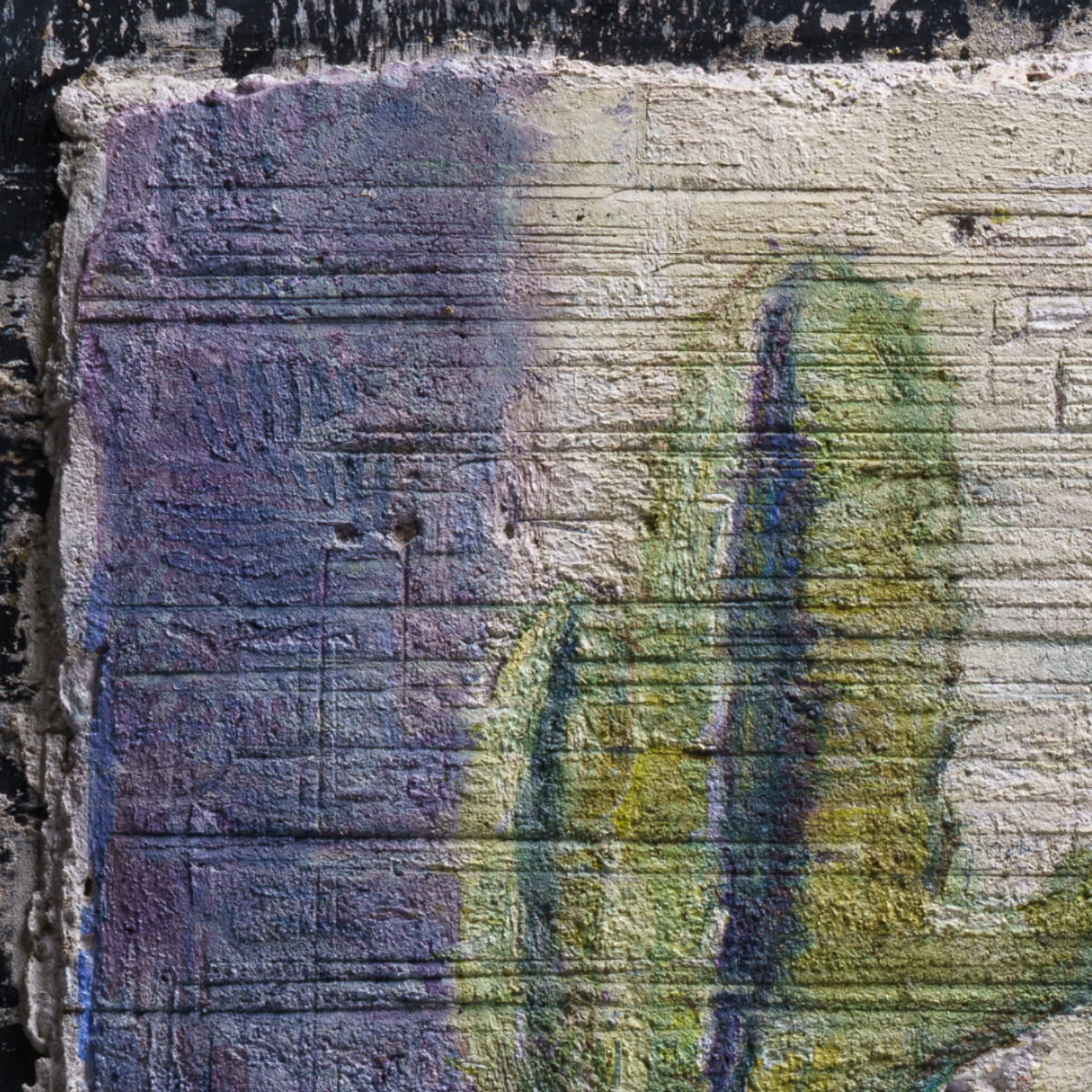
Frescoes are among the most unique and challenging subjects a photographer can encounter. Unlike paintings on canvas or digital prints, frescoes involve pigments that are chemically fused into wet lime plaster. This geological process produces a surface that is mineral-rich, matte, porous, and highly textured. While these characteristics make frescoes extraordinarily durable in an architectural context, they present distinct optical challenges. Capturing the depth, texture, and true color of a fresco requires technical skill and a deep understanding of how light interacts with a non-reflective, stone-like surface. This guide provides a comprehensive overview for photographing both ancient and contemporary frescoes, ensuring that the final image reflects the tactile soul of the artwork.
Understanding the Optical Nature of the Fresco Surface
Before you even mount your camera, it is critical to understand the material properties that differentiate frescoes from other mediums. A fresco is not a "layer" on a wall; it is the wall itself.
The Challenges of the Matte Finish
Because pigments are absorbed into the plaster, the surface is naturally matte. This lack of a glossy "varnish" layer means that standard lighting techniques can often make the colors look "flat" or washed out in a photograph. There is no specular reflection to guide the eye toward the depth of the work, so the photographer must use light to create artificial depth through shadows.
The Importance of Surface Texture
A fresco's beauty lies in its irregularities—the brushstrokes, the overlapping plaster sections (known as giornate), and the natural grain of the lime. Standard photography often "flattens" these details. The goal of high-end fresco photography is to capture the topography of the plaster without exaggerating cracks or creating harsh, distracting shadows.
2. Essential Equipment for High-Fidelity Documentation
Camera Selection and Lenses
Sensor Choice: Use a full-frame DSLR or mirrorless camera to ensure a high dynamic range. Frescoes often live in dimly lit churches or villas; you need a sensor that can handle shadows without introducing digital noise.
Prime Lenses (35mm to 85mm): Avoid zoom lenses if possible. High-quality primes offer the sharpness and lack of barrel distortion necessary to keep the straight lines of architecture true.
Tilt-Shift Lenses: These are the "gold standard" for architectural murals. They allow you to correct perspective distortion in-camera, ensuring that a large wall doesn't look like it is leaning backward or "keystoning."
Macro Lenses: Essential for contemporary artists who want to document the granularity of the pigments or the crystalline structure of the lime surface.
Stabilization and Precision
A robust tripod is non-negotiable. Because you will often be shooting with small apertures (f/8 to f/11) to ensure edge-to-edge sharpness, your shutter speeds will be slow. Use a geared head for your tripod to allow for minute adjustments in framing, ensuring the camera sensor is perfectly parallel to the wall.
3. Lighting Strategies: Creating Depth Without Glare
Lighting is the most critical variable in fresco photography. The goal is to mimic the soft, directional light that the artist likely worked under.
Side-Lighting for Texture
Position your light sources (preferably continuous LED panels) at a 45-degree angle to the wall. This "raking light" skims across the surface of the plaster, creating tiny shadows that define the texture. If you light a fresco from directly behind the camera, you will lose the sense of materiality, making it look like a flat poster.
Managing Color Temperature
Fresco pigments like ochre and sienna are highly sensitive to the color of the light. Use LED panels with a high Color Rendering Index (CRI) of 95 or above. Always set a custom white balance using a neutral gray card on-site. This ensures that the warm "limewash" whites of the fresco don't turn blue or sickly yellow in the final image.
Dealing with Protective Glass
In many modern installations or museums, frescoes are behind glass. To avoid reflections:
-Use a Circular Polarizing Filter to cut through glare.
-Turn off all ambient room lights and rely solely on your angled, controlled LED panels.
-Wear dark clothing to prevent your own reflection from appearing in the glass.
4. Composition, Camera Settings, and Post-Processing
Framing for Context and Detail
When documenting a fresco, take three types of shots:
The Contextual Shot: Include the surrounding architecture to show how the work relates to the room.
The Full-Frame Reproduction: A "flat" shot intended to represent the entire artwork as accurately as possible.
The Detail Shot: A macro view of a 10cm square area to show the "hand" of the artist and the texture of the plaster.
Optimal Camera Settings
To maintain maximum quality, always shoot in RAW format. Keep your ISO at its lowest native setting (usually 100) to prevent grain. Use an aperture between f/8 and f/11; this is typically the "sweet spot" for lens sharpness while providing enough depth of field to cover any slight curves in the wall.
Ethical Post-Processing
Post-processing should be an act of restoration, not transformation. Use software to correct lens distortion and to match the colors to the physical reference card you used on-site. Apply sharpening very sparingly; over-sharpening a fresco image can create a "crunchy" or artificial look that betrays the soft, mineral nature of the plaster.
The Photograph as a Record of Craft
Photographing a fresco is an act of preservation. Because these works are often permanent parts of buildings, many people will only ever experience them through your lens. By mastering the technical balance of raking light, perspective correction, and color fidelity, you ensure that the craftsmanship and history of the work are preserved for the digital age. Whether you are an artist documenting your latest creation or a collector archiving a historical piece, careful photography allows the timeless beauty of the fresco to be appreciated in all its textured, mineral glory.
Contemporary Fresco Artists Leading the Revival
How to Display Contemporary Fresco Art in Modern Interiors