

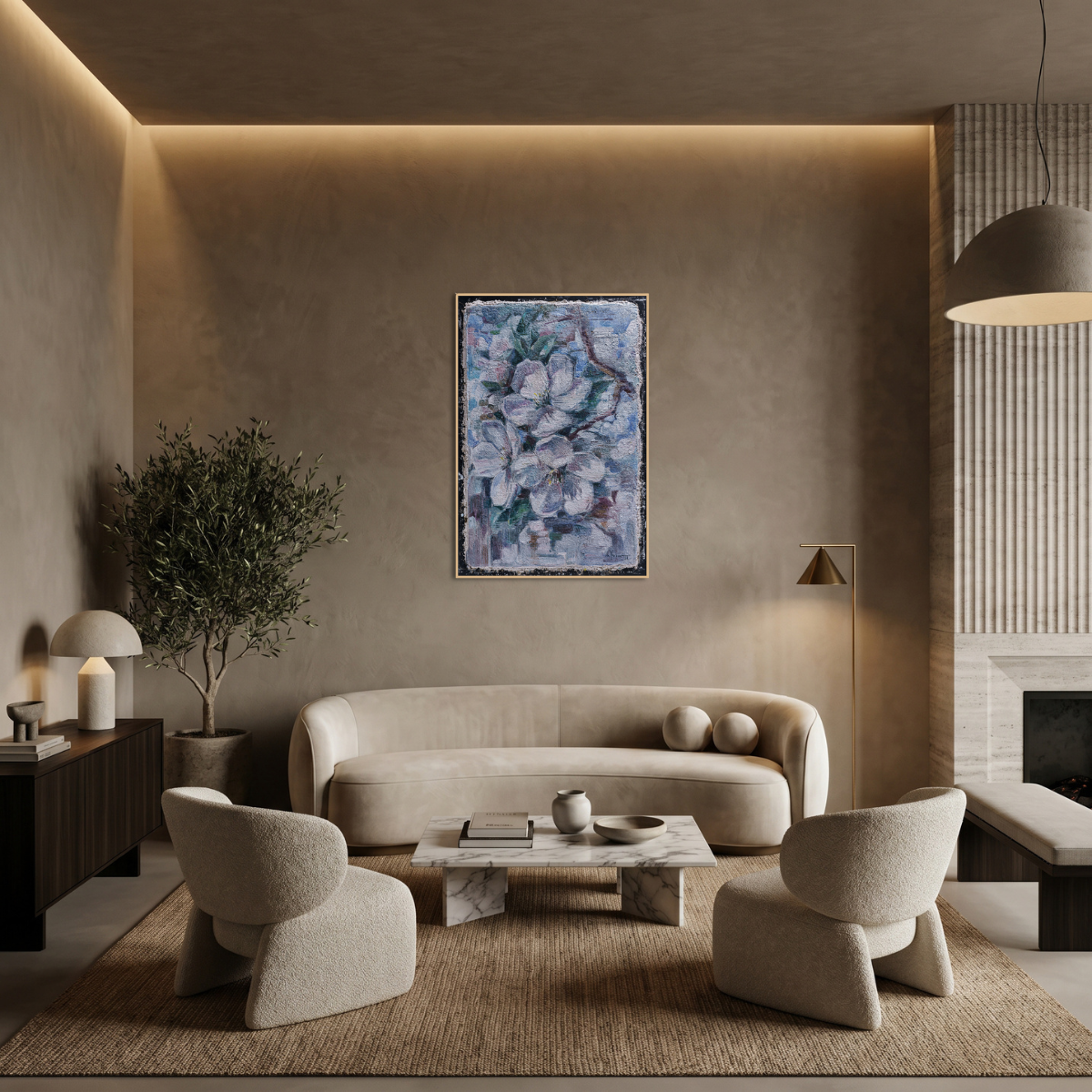
A Modern Approach to Showcasing Contemporary Fresco Art in Interior Design
Contemporary fresco art—created through the ancient method of fusing mineral pigments into wet lime plaster—has entered a vibrant renaissance in modern interior design. Its matte, mineral-rich surface interacts with light in a way that digital prints or oil paintings simply cannot, offering a tactile presence that grounds a room in authenticity. Whether mounted as a portable panel, embedded into a custom architectural niche, or displayed as a large-scale sculptural element, fresco brings a sense of permanence to the home. This article explores how to elegantly integrate contemporary fresco into modern environments while preserving its integrity and enhancing its visual impact.
The Resurgence of Architectural Artistry
Interior designers and architects are increasingly gravitating toward handcrafted, sustainable materials that offer a "slow art" alternative to mass-produced decor. Fresco aligns perfectly with these values; it is composed of lime plaster and natural earth pigments, making it a low-VOC, eco-friendly medium. Unlike a canvas that sits on top of a wall, a fresco panel feels fundamentally architectural. Whether applied to modern substrates like magnesium board or traditional wood, the fresco retains a sense of structural weight that complements materials like oak, raw concrete, brushed steel, and glass.
Choosing the Ideal Location for Maximum Impact
Feature Walls and Natural Light
Fresco thrives in spaces where light is dynamic. Because the surface is made of crystalline calcium carbonate, it catches "raking light"—light that hits the surface at an angle—revealing the subtle trowel marks, textures, and tonal transitions of the plaster. Entryways, gallery-style corridors, and living room feature walls are ideal locations. Placing a fresco near a large window allows the artwork to change character throughout the day as the sun moves.
Integration in Minimalist and Industrial Lofts
In a minimalist interior, a fresco becomes a vital focal point. Its mineral texture adds warmth and a "human touch" to a restrained space. Conversely, in an industrial loft with exposed brick or concrete, fresco creates a sophisticated visual continuity. The ruggedness of the architectural materials is echoed in the lime surface of the art, creating a harmonious, site-specific feel.
Professional Framing and Mounting for Modern Spaces
Minimalist Hardwood and Floating Frames
For contemporary fresco panels, the frame should support the art without overwhelming it. Slim-profile frames in oak, ash, walnut, or maple are excellent choices. They provide the necessary structural stability for the heavy plaster while maintaining a sleek, modern silhouette. Floating (or floater) frames are particularly effective; they create a small shadow gap around the artwork, making the heavy panel appear as if it is hovering. This highlights the sculptural edges and the layered strata of the plaster.
Deep Shadow Boxes and Architectural Niches
If the fresco features heavy relief or an irregular, "found-object" aesthetic, a deep shadow box is the best choice. It provides the necessary volume of air for the plaster to breathe while creating a crisp, modern border. For the ultimate integration, many high-end designers now create custom recessed wall niches. Installing a fresco into a niche elevates it from a piece of hanging art to an architectural feature, especially when paired with perimeter LED lighting.
Lighting and Styling Techniques
The Science of Illumination
To bring out the best in a fresco’s mineral surface, avoid harsh, direct spotlights. Wall washers and adjustable track lights are preferred because they provide soft, directional illumination that mimics natural daylight. Fresco pigments—such as ochres, siennas, and lime whites—look most authentic under warm white LEDs (2700–3000K). This color temperature enhances the "earthy" quality of the materials and avoids the sterile, blue-ish look of cooler lighting.
Materials that Complement Fresco
Fresco belongs to a family of natural materials. To create a cohesive interior, pair your artwork with:
-
Linen and Wool: Soft textiles balance the hardness of the plaster.
-
Natural Woods: Oak and walnut echo the organic origins of the pigments.
-
Microcement or Limewash: These wall finishes share the same chemical DNA as fresco, creating a unified mineral environment.
-
Matte Ceramics: The non-reflective surface of ceramics mirrors the matte finish of the fresco.
The Value of Sustainability and Slowness
Lime plaster is a "carbon sink"—it actually absorbs from the air as it cures and hardens over time. This makes contemporary fresco one of the most sustainable art forms available to the modern homeowner. In a world characterized by rapid production and digital transience, a fresco represents a commitment to durability and authenticity. It is an investment that does not degrade; instead, lime plaster grows harder and more beautiful as it ages, becoming a permanent part of the story of a home.
How to Photograph Frescoes: Capturing Matte Textured Surfaces
Why Frescoes Last for Centuries: The Science of Longevity