

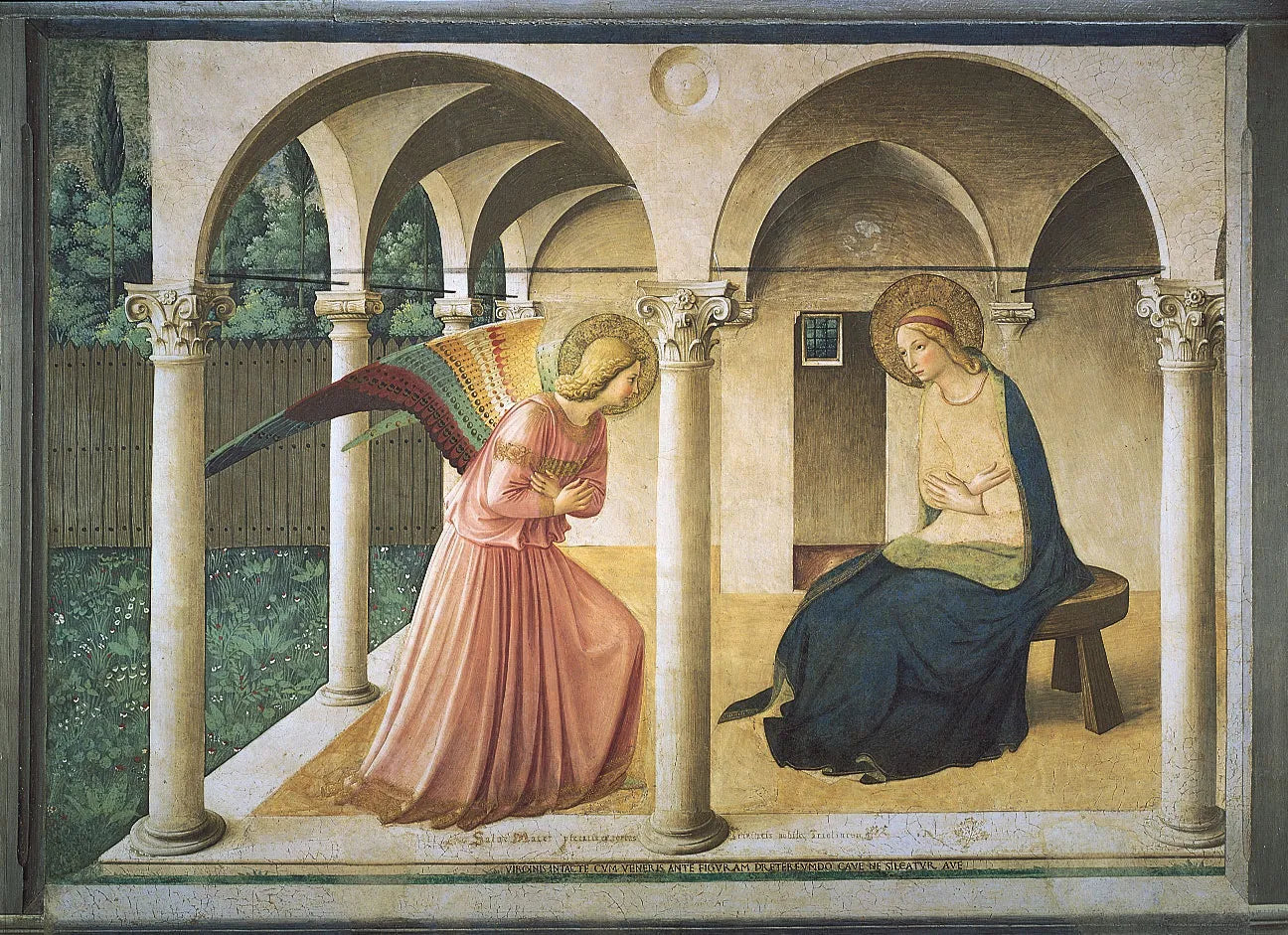
The History of Fresco: Origins, Evolution, and Cultural Significance
Fresco painting is among the most enduring and historically significant methods of artistic expression. Unlike portable paintings or canvases, fresco is inseparable from the architecture it adorns, creating works that integrate seamlessly into walls and ceilings. Its longevity, combined with its cultural and narrative power, has made fresco a preferred medium for civilizations seeking both aesthetic and historical permanence. This article traces the history of fresco, exploring its development from ancient civilizations, through the Middle Ages, and into the Renaissance, while emphasizing its technical, artistic, and cultural significance.
Fresco in the Ancient World
The Minoan Civilization
The earliest known examples of true fresco date back to the Minoan civilization on the island of Crete (circa 2000–1400 BCE). Frescoes were discovered in sites such as Knossos and Akrotiri, displaying vibrant depictions of nature, marine life, and ceremonial activities. Minoan frescoes exhibit several notable characteristics:
-
Naturalistic movement: Figures and animals are portrayed with fluidity and dynamism.
-
Bright mineral pigments: Use of ochres, blues, and greens derived from natural sources.
-
Integration with architecture: Frescoes were designed to complement and enhance the architectural spaces they decorated. These early frescoes were not merely decorative; they communicated cultural narratives and conveyed a sense of ritual and identity for Minoan society.
Ancient Egyptian Frescoes
In ancient Egypt, fresco techniques were applied to tombs, temples, and palaces. Egyptian wall paintings often combined elements of fresco secco with wet plaster application, illustrating mythological, ceremonial, and funerary themes. Key aspects include:
-
Symbolic function: Frescoes were closely tied to religious and funerary practices, intended to assist the deceased in the afterlife.
-
Stylized representation: Figures are depicted in a rigid, symbolic style rather than naturalistic movement.
-
Durability through technique: Egyptian artists experimented with both wet and dry plaster applications to ensure longevity. These works demonstrate the early recognition of fresco as both an aesthetic and functional medium for cultural communication.
Roman Frescoes
Romans extensively developed fresco techniques, particularly in domestic and civic architecture. Excavations in Pompeii, Herculaneum, and Roman villas reveal an array of frescoes ranging from mythological narratives to realistic depictions of daily life. Notable features include:
-
Architectural illusionism: Trompe-l’œil techniques create the appearance of columns, windows, and open landscapes.
-
Diverse subject matter: Mythology, banquets, landscapes, and still life were common themes.
-
Technical refinement: Use of mineral pigments on wet plaster ensured durability, particularly in domestic environments. Roman frescoes laid the foundation for European mural painting traditions, influencing both technique and thematic content for centuries.
Fresco in Medieval Europe
Religious and Didactic Functions
During the medieval period, fresco painting was primarily employed within churches, monasteries, and other religious institutions. Frescoes served an educational purpose, illustrating biblical narratives and the lives of saints to largely illiterate populations. Key characteristics of medieval frescoes:
-
Narrative clarity: Emphasis on straightforward, legible storytelling.
-
Simplified perspective: Figures were often flat, symbolic, or hierarchically scaled.
-
Moral instruction: Frescoes conveyed religious and ethical messages, reinforcing social and spiritual norms. These works reflect a society in which fresco was more than an art form—it was a tool for cultural and spiritual transmission.
Stylistic Considerations
Medieval frescoes exhibit stylistic traits that distinguish them from both ancient and Renaissance works:
-
Limited color palette: Earth tones dominated, occasionally complemented by mineral-based pigments.
-
Decorative integration: Frescoes often complemented architectural elements such as arches, columns, and vaults.
-
Symbolic representation: Emphasis on iconography over realistic depiction, conveying spiritual rather than physical reality. Despite stylistic simplicity, medieval frescoes represent significant artistic and technical achievements, maintaining both structural integrity and cultural meaning over centuries.
The Renaissance: Fresco’s Golden Age
Technical and Artistic Innovations
The Renaissance represents the apex of fresco development, particularly in Italy. Artists achieved new levels of sophistication in composition, perspective, and anatomical representation, transforming fresco from a functional medium into a monumental artistic expression. Notable Renaissance figures include:
-
Giotto (1267–1337): Introduced more naturalistic figures and emotional depth in narrative frescoes, particularly in the Scrovegni Chapel.
-
Masaccio (1401–1428): Pioneered the use of linear perspective and volumetric forms in fresco cycles.
-
Michelangelo (1475–1564): Created the Sistine Chapel ceiling, demonstrating unparalleled mastery of anatomy, composition, and architectural integration.
-
Raphael (1483–1520): Achieved harmony and balance, particularly in frescoes for the Vatican’s Stanze di Raffaello.
Characteristics of Renaissance Fresco
Renaissance frescoes are distinguished by several defining features:
-
Monumental scale: Entire walls and ceilings were transformed into cohesive narrative spaces.
-
Architectural integration: Frescoes were carefully designed to complement the structure of the building, enhancing perspective and spatial perception.
-
Naturalistic representation: Use of accurate anatomy, realistic drapery, and proportional figures.
-
Narrative complexity: Multi-scene compositions conveyed theological, philosophical, and historical themes. The Renaissance elevated fresco beyond decoration, positioning it as a medium for intellectual, spiritual, and aesthetic exploration.
Regional Variations and Evolution
Italy versus Northern Europe
While Italy was the epicenter of Renaissance fresco innovation, Northern European artists also adapted the technique, though with regional differences:
-
Northern Europe: Emphasis on smaller-scale works, fine detail, and oil pigment integration.
-
Italy: Larger cycles, strong architectural perspective, and mineral-based pigment usage. These variations illustrate the adaptability of fresco techniques to diverse cultural, climatic, and material contexts.
Global Influence and Later Developments
Beyond Europe, fresco principles influenced artists and movements worldwide:
-
Mexican muralism (20th century): Diego Rivera, José Clemente Orozco, and David Alfaro Siqueiros adapted fresco to express political and social narratives.
-
Modern architectural integration: Contemporary artists continue to employ fresco in public and institutional buildings, emphasizing durability and spatial cohesion. Fresco has proven a versatile medium, capable of spanning centuries, continents, and cultural movements while maintaining its essential characteristics.
Fresco as a Cultural and Historical Record
Preservation of Civilization
Frescoes serve as both artistic and historical documents. They provide insight into religious and philosophical beliefs, daily life and social structures, and material culture and aesthetic preferences. The durability of buon fresco ensures that these records survive where other art forms might deteriorate.
Artistic Discipline and Human Achievement
Fresco represents the intersection of science, craftsmanship, and creativity. The technical mastery of plaster composition and pigment chemistry, combined with the irreversible nature of the medium, demands foresight and precision. The history of fresco demonstrates its dual significance as both an artistic and cultural phenomenon. From the fluid, vibrant walls of Minoan Crete to the monumental cycles of the Renaissance, fresco has served as a vehicle for narrative, expression, and identity. Its technical and chemical foundations have enabled frescoes to withstand centuries, preserving insights into human creativity and civilization. Beyond aesthetic value, frescoes function as historical and cultural archives, connecting modern observers to distant worlds, ideologies, and experiences. Today, fresco remains relevant both in conservation and contemporary practice, underscoring the medium’s enduring appeal and its unique capacity to fuse art, architecture, and history into a single, lasting form.
The Ultimate Guide to All Types of Art Frames - And Where to Find Them
Fresco in Modern Art and Architecture: Is the Technique Still Alive?