

Fresco in Modern Art and Architecture: A Living Technique in the 21st Century
For many people, the word fresco evokes visions of Renaissance chapels, ancient villas, or monumental religious paintings frozen in time. But the perception that fresco belongs exclusively to the past is increasingly outdated. Over the last century, artists, architects, and designers have rediscovered the technique, adapting it to contemporary materials, modern creative philosophies, and diverse architectural environments. Far from a forgotten tradition, fresco has evolved into a vibrant, experimental medium that bridges ancient craftsmanship with current aesthetic and cultural needs. This article explores the 20th- and 21st-century revival of fresco, the artists leading its resurgence, how fresco is being integrated into modern architecture, and how new materials and workshops are shaping its future. Together, these developments show that fresco is not only alive but thriving in innovative and unexpected ways.
The 20th-Century Fresco Revival: A Return to Monumentality
The Mexican Mural Renaissance
One of the most significant fresco revivals began in the early 20th century with the Mexican muralist movement, led by the "Big Three": Diego Rivera, José Clemente Orozco, and David Alfaro Siqueiros. These artists reintroduced fresco as a monumental art form designed for public spaces and social commentary. Rivera, in particular, embraced buon fresco, applying pigments to wet lime plaster in massive government buildings, schools, and industrial complexes. His murals reinvigorated the technique by introducing political and social themes, integrating modern industrial imagery, and merging indigenous traditions with European fresco heritage. This period proved that fresco was not a relic but a powerful medium for communicating collective identity and national history to a broad audience.
European and American Revival
Across Europe and North America, modernist artists also returned to fresco for its material permanence and visual clarity. Artists such as Gino Severini in Italy, José Maria Sert in Spain, and Thomas Hart Benton in the USA embraced the technique for civic and educational projects. Many schools, courthouses, and universities installed frescoes during the early to mid-20th century as part of arts-in-architecture initiatives. The modernist revival revealed a new role for fresco: public art with a social purpose, built directly into the fabric of communal life, ensuring that art remained accessible to the everyday citizen.
21st-Century Fresco: A Contemporary Renaissance
Why Modern Artists Are Returning to Fresco
Today’s artists are drawn to fresco for several compelling reasons: its sustainable, mineral-based materials; its total permanence in architectural settings; and its unique, tactile matte surface. As digital media becomes overwhelming and ephemeral, many contemporary creators seek physicality and craftsmanship. Fresco offers an authentic, slow process that contrasts sharply with the "disposable" nature of digital culture. It allows for a deep connection between the artist’s hand and the architectural site, creating a sense of place that cannot be achieved with hanging canvases.
Contemporary Artists Using Fresco Today
Several 21st-century artists have embraced and reshaped the medium for the modern era. Luc Tuymans has incorporated fresco into conceptual works that explore memory and historical trauma, utilizing the "ghostly" quality of the drying plaster. Roberto Ruspoli has become world-renowned for his large-scale figurative frescoes found in luxury interiors and boutique hotels, proving that the medium has a significant place in high-end modern design. Marco Almaviva has blended fresco with experimental pigments and mixed media, while Alison Watt explores the quiet, minimalist surfaces of the medium. These artists treat fresco not as historical replication but as a flexible tool for modern expression, often blending it with abstraction and conceptual art.
Fresco in Modern Architecture: Integrating Art into Built Environments
A Medium That Becomes Part of the Building
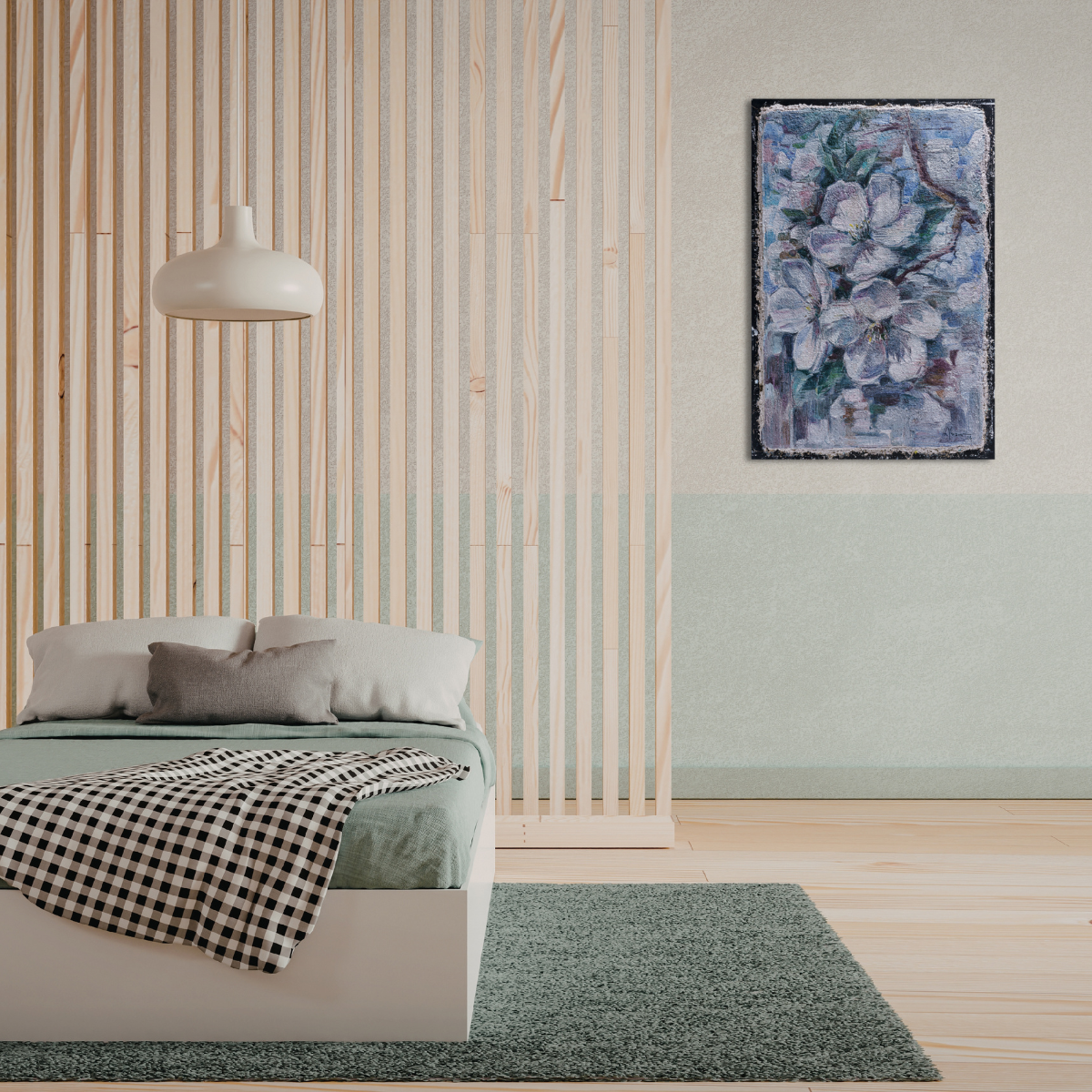
Unlike canvases or framed works, fresco is physically integrated into the structure of a building. This makes it incredibly attractive for architects who want art to be permanent, site-specific, and contextual. In contemporary practice, fresco appears in hotels, cultural centers, luxury residences, public institutions, and even meditation spaces. Architects appreciate fresco for its timeless texture, which matches current trends toward natural materials, minimalism, and earthy palettes. It allows for a co-creation between the artist and the architect, where the wall itself becomes the masterpiece.
Modern Interior Design and Handcrafted Surfaces
The resurgence of lime-based finishes like Venetian plaster, Tadelakt, and stucco lustro has brought mainstream attention back to mineral surfaces. Designers now integrate fresco elements to complement these finishes, creating walls that are not just decorated but imbued with artistic presence. Fresco surfaces pair beautifully with curved architectural forms, natural light, and biophilic interior design. This fusion allows fresco to become part of a holistic, sensory environment that feels grounded and organic rather than artificial.
Workshops and the Transmission of Craft Today
Revival of Fresco Education
While fresco training nearly disappeared in the 19th century, it is now experiencing a renewed interest in both formal art schools and independent ateliers. Workshops now operate globally, from Florence and Venice to Mexico City, New York, and Kyoto. These programs teach the rigorous steps of the process: lime slaking, plaster layer preparation, pigment grinding, and the precise timing of buon fresco application. Students learn the philosophy of fresco as a "slow" art form, requiring patience and intentionality that is rare in the modern art world.
Community and Collaborative Projects
Contemporary fresco projects increasingly involve the community. Many modern muralists lead public groups in applying pigments to large urban walls in gardens, cultural centers, and public corridors. This democratizes the medium, taking it out of the exclusive realm of the elite and making it a participatory experience. These collaborative works foster a sense of shared ownership and cultural pride, proving that the ancient technique of fresco remains a vital tool for social bonding.
New Materials and Technological Adaptations
Modern Lime and Synthetic Variations
While traditional lime plaster remains essential for authentic work, contemporary practitioners use updated materials adapted for modern architecture. This includes pre-mixed lime plasters with consistent particle sizes, eco-friendly lime-cement hybrids for added durability, and modular panels that allow fresco to be "installed" in high-rise buildings or environments with fluctuating humidity. These innovations broaden the scope of where fresco can be utilized, allowing it to move beyond the traditional chapel and into the modern transportation hub or corporate office.
Digital Tools Meet Ancient Technique
Even though fresco is deeply traditional, digital tools now support its creation. Artists use tablets for preliminary sketches, projectors for transferring complex outlines onto the wet intonaco, and 3D modeling to visualize how a fresco will interact with the architecture and light of a space. This blend of digital planning and manual execution creates frescoes that are both technologically informed and deeply handcrafted, proving that tradition and innovation can coexist seamlessly.
Cultural Relevance in a Fast-Paced World
Fresco is not a relic; it is a living, breathing technique. As society becomes increasingly digital and automated, fresco represents resilience, permanence, and the unmistakable human touch. In contemporary spaces, its presence communicates authenticity and the value of slowness in the creative process. Its survival is both technical and philosophical—as long as humans seek meaning in materiality and a connection to the past, fresco will continue to thrive, bridging eras and shaping the beautiful environments of the future.
The Ultimate Guide to All Types of Art Frames - And Where to Find Them
The History of Fresco: From Ancient Civilizations to the Renaissance