

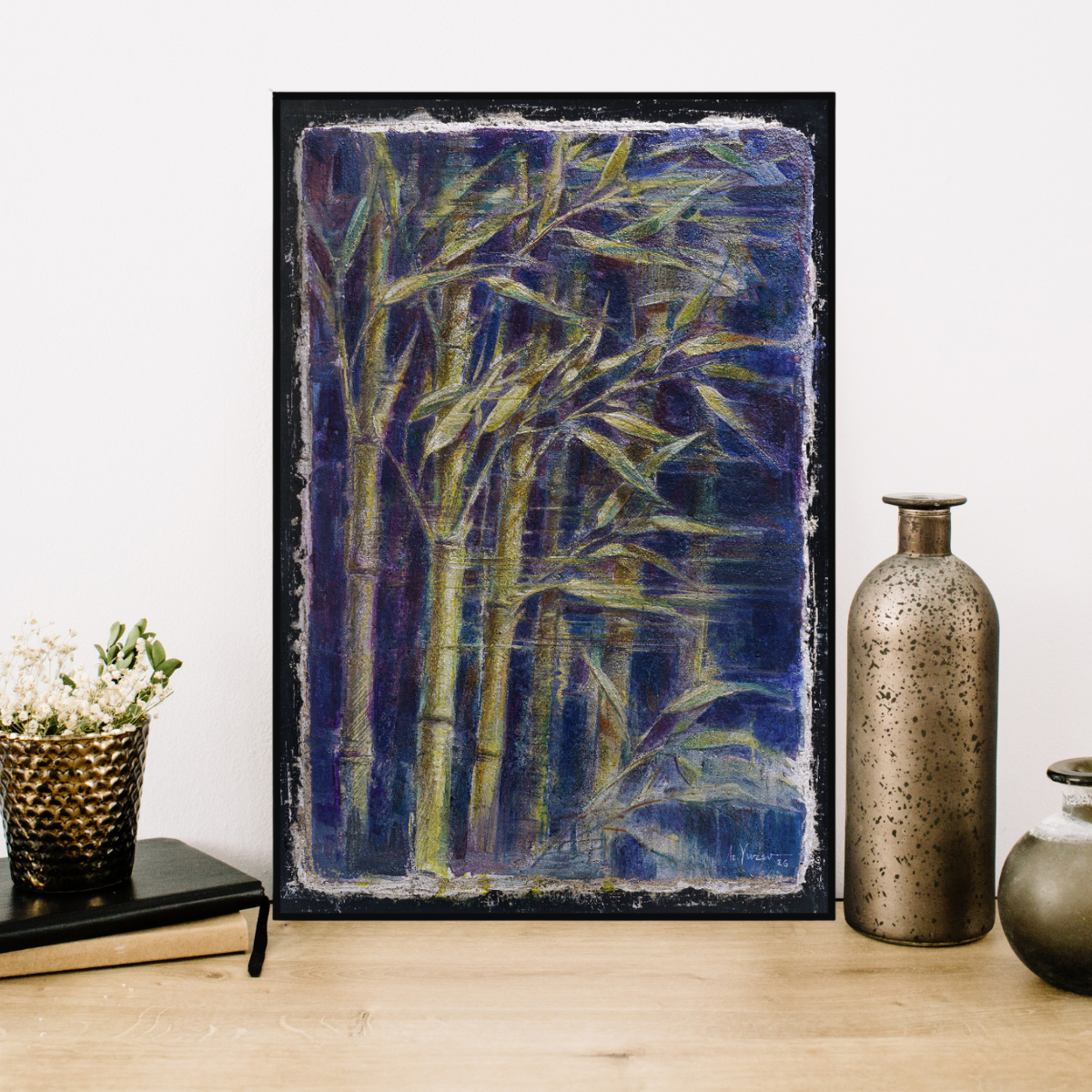
1. Celebrating Fresco as an Enduring Art Form
Fresco—the ancient art of painting directly onto wet lime plaster—has captivated artists, patrons, and viewers for centuries. From the luminous walls of Renaissance cathedrals in Italy to vibrant murals in Mexico and India, fresco combines technical mastery with storytelling, culture, and architectural integration. Its mineral-based pigments chemically fuse with plaster, producing a unique matte vibrancy and unparalleled durability.
Yet fresco is far from a relic. Contemporary artists, designers, and architects continue to draw inspiration from its tactile, enduring qualities. Fresco is a medium where history meets modern creativity, offering lessons in patience, preparation, and material engagement that remain relevant across centuries.
2. Fresco’s Historical and Cross-Cultural Legacy
Ancient and Renaissance Origins
Fresco techniques date back thousands of years. Sophisticated examples appear in Minoan palaces, such as Knossos, and in Egyptian tombs. The method reached its artistic and technical apex during the Italian Renaissance, with masters like Michelangelo, Raphael, and Giotto painting immersive wall and ceiling narratives. These artists merged architecture and painting seamlessly, creating monumental, enduring works that chronicled religious, civic, and mythological stories.
The chemistry of buon fresco—pigments binding chemically to wet plaster as it cures—ensured longevity, a key factor in its historic prominence over tempera or oil paints.
Cultural Significance Across Continents
-
Mexico: 20th-century muralists like Diego Rivera, José Clemente Orozco, and David Alfaro Siqueiros revived fresco for social and political storytelling. Bold colors and expansive compositions celebrated revolutionary and indigenous narratives. Local aggregates such as volcanic ash enhanced durability in public settings.
-
India: Frescoes decorated temples and palaces, notably in the Ajanta and Ellora Caves and Rajasthan’s Arayash works. Artists used regional earth pigments and incorporated Hindu, Buddhist, and Jain symbolism, adapting the technique to local materials and climates.
Fresco’s versatility across cultures demonstrates its adaptability to diverse architectural substrates and its power as a visual language connecting communities to space, ritual, and storytelling.
3. The Science and Craft of Fresco
Lime Plaster and Pigment Chemistry
At fresco’s core is lime plaster, a breathable, natural, and chemically active medium. Carbonation transforms calcium hydroxide (Ca(OH)₂) into stable calcium carbonate (CaCO₃), locking pigments into a crystalline matrix. This process produces the signature matte finish and vibrant, mineral-rich hues. Artists must understand plaster hydration, drying rate, and pH to ensure both color integrity and longevity.
Technique and Preparation
Fresco is labor-intensive, demanding a deep connection between artist, materials, and architecture:
-
Design: Full-scale cartoons and sinopia underdrawings map composition.
-
Plastering: Layered lime plaster, finished with a smooth intonaco.
-
Timing: Work in small sections or “giornate,” painting while plaster is wet to ensure chemical bonding.
This meticulous workflow transforms fresco from mere painting into a performative craft requiring patience, planning, and precision.
4. Contemporary Revival and Sustainable Innovation
Modern Fresco Artists and Aesthetics
Contemporary artists reinterpret fresco with smaller, portable panels, mixed-media combinations, and minimalistic or abstract forms. The medium’s earthy matte texture allows for refined gallery pieces or modular installations. Fresco demonstrates adaptability from monumental storytelling to subtle, modern visual exploration.
Sustainable Architecture Applications
Fresco aligns with eco-conscious design:
-
Low-Carbon & Natural: Lime plaster is VOC-free and environmentally friendly.
-
Breathable Surfaces: Plaster regulates indoor humidity and improves air quality.
-
Longevity: Fresco’s durability minimizes replacement, aligning with sustainable lifecycle principles.
Architects integrate frescoed walls in residential, corporate, and public spaces, blending timeless artistry with modern green building standards such as LEED or WELL.
5. Displaying Fresco in Modern Interiors
Floating Frames and Minimalist Mounting
Modern interiors benefit from clean lines and material honesty:
-
Floating Frames (Tray Frames): Surround panels without obscuring edges, highlighting plaster texture.
-
Shadow Boxes: Provide depth and ventilation for relief-heavy surfaces, while preserving breathability.
Blending History with Modern Design
Fresco panels juxtaposed with sleek furniture, neutral palettes, or modern lighting create dialogue between past and present. The tactile surface of fresco adds depth and historical resonance that purely digital or synthetic mediums cannot achieve.
6. Educational, Digital, and Experimental Applications
Art Schools and Workshops
Contemporary art programs teach fresco techniques for hands-on learning, patience, and material science literacy, ensuring the craft is preserved for future generations.
Digital and Experimental Media
Artists are exploring high-resolution scanning, printed reproductions, and augmented reality (AR) installations, bringing fresco’s texture and dimensionality into virtual or hybrid spaces. This experimentation expands the medium beyond the physical wall, highlighting its versatility in cross-media storytelling.
7. Why Fresco Remains Relevant Today
Fresco embodies the intersection of art, science, and architecture. Its permanence, material integrity, and cultural significance inspire modern creators while offering sustainable, eco-friendly applications.
It is more than a painting technique; fresco is a philosophy of careful preparation, material engagement, and architectural integration. Contemporary and historic practice coexist seamlessly, making fresco a timeless craft that informs, inspires, and elevates spaces across centuries.
Why Frescoes Last for Centuries: The Science of Longevity
Gito Art: The Childhood Friendship That Took Art Beyond Museum Walls and Into the Heart of Aniventure Comic Con 2026