

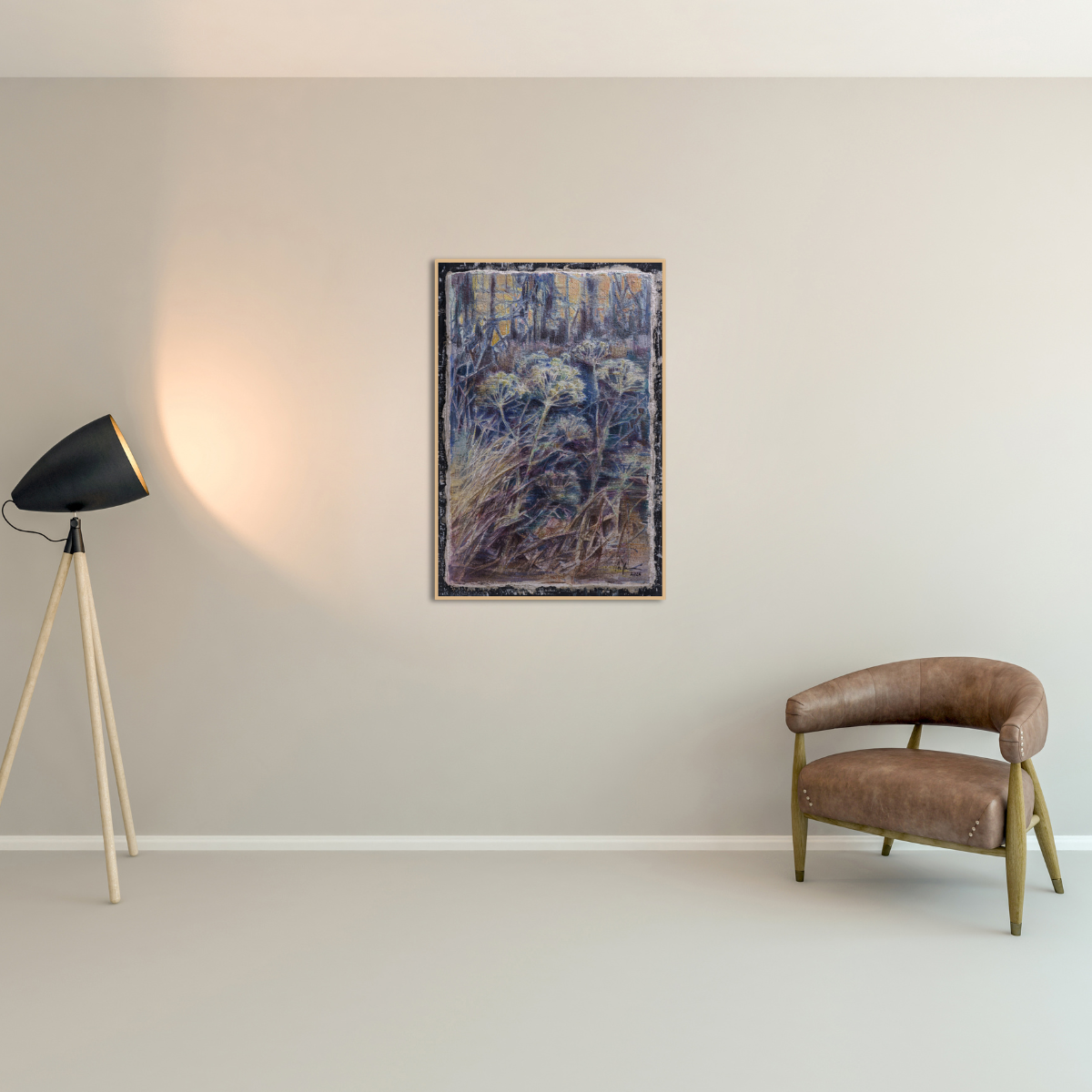
1. What Is a Fresco Cartoon?
A fresco cartoon is a full-scale preparatory drawing used to plan murals before painting on wet plaster. Derived from the Italian word cartone, meaning “large paper,” these drawings serve as a detailed blueprint that guides the placement of figures, architectural elements, and decorative motifs.
Cartoons allow artists to:
-
Anticipate technical challenges
-
Explore multiple design options
-
Maintain visual and narrative coherence across large-scale works
Unlike small sketches, cartoons are strategic tools that incorporate:
-
Shading and hatching
-
Annotations on color and proportion
-
Compositional adjustments
Without cartoons, the irreversible nature of fresco — where pigments fuse chemically with wet plaster — leaves little room for error.
2. Why Cartoons Are Essential in Fresco Art
Fresco painting is permanent, and errors are extremely difficult to correct. Cartoons serve as both guide and safeguard, helping artists:
-
Ensure accurate proportions and anatomical correctness
-
Maintain cohesion across multi-panel or massive murals
-
Position figures, architectural elements, and decorative motifs precisely
-
Facilitate efficient and confident execution on wet plaster
Essentially, cartoons allow an artist to translate complex ideas into reality without risking the integrity of the final mural.
3. Techniques for Creating Fresco Cartoons
Materials Used for Cartoons
Traditionally, cartoons are made on durable, large-format materials that can withstand repeated handling:
-
Heavy paper or multiple sheets joined together
-
Lightweight cardboard or linen-backed paper for portability
-
Charcoal, graphite, or ink for clear, visible outlines
The choice of material depends on:
-
Scale of the mural
-
Complexity of the design
-
Preferred transfer method
Methods for Transferring Cartoons to Plaster
Accurate transfer is critical for fresco execution. Common techniques include:
-
Pouncing (Perforated Outline Technique)
-
Small holes are pricked along the cartoon’s lines
-
Charcoal or powdered pigment is dusted through holes
-
Leaves a dotted guide for painting on wet plaster
-
-
Sgraffito (Etching Technique)
-
Cartoon pressed lightly onto wet plaster
-
Outlines incised using a stylus
-
Subtle guides for brushwork
-
-
Direct Tracing or Graphite Transfer
-
Modern method for small panels or precise replication
-
Transfer paper ensures consistency
-
-
Sectional Work (Giornata Planning)
-
Frescoes executed in sections called giornate (literally “a day’s work”)
-
Cartoons divided to match plaster application schedule
-
4. Planning Large-Scale Murals
Composition and Perspective
Large murals demand careful spatial planning:
-
Vanishing points and foreshortening: Correct distortions for viewer perspective
-
Narrative flow: Scenes arranged logically (left-to-right, top-to-bottom, or symbolic hierarchies)
-
Symmetry and balance: Maintains harmony across expansive surfaces
Color Planning and Pigment Testing
Cartoons can indicate color, shading, and highlights. Artists often:
-
Create small-scale color sketches (modelli) alongside the cartoon
-
Note tonal transitions and highlights
-
Test pigments on spare plaster to predict carbonation results
This reduces surprises when painting on the final wet plaster.
5. Fresco Cartoons in Art History
Renaissance Masterpieces
-
Michelangelo’s Sistine Chapel Ceiling: Over 500 full-scale cartoons guided figure placement
-
Raphael’s Vatican Rooms: Cartoons ensured assistants maintained stylistic consistency
-
Giotto’s Arena Chapel: Early use of cartoons organized sequential biblical narratives
Collaborative Studios
-
Cartoons were vital in workshops, enabling assistants to work simultaneously
-
Maintained uniformity and preserved the master’s vision
-
Allowed large projects to progress efficiently
6. Modern Applications of Fresco Cartoons
Contemporary Fresco Artists
-
Digital tools: Large designs can be printed for accurate transfer
-
Projection systems: Outline murals directly onto walls, functioning as digital cartoons
-
Mixed-media murals: Combine traditional pigments with modern supports
Educational and Studio Practices
-
Art schools emphasize cartoon creation as a core skill
-
Students learn proportional planning, composition, and mural execution
-
Cartoons bridge small sketches and full-scale frescoes
7. Challenges in Using Fresco Cartoons
Scale and Alignment Issues
-
Misalignment can distort figures or architecture
-
Large murals require scaffolding, multiple assistants, and careful sectional planning
Material Limitations
-
Paper may tear, smudge, or fade during repeated transfers
-
Artists balance durability with handling ease
Adapting Cartoons for Modern Spaces
-
Architectural constraints may require scaling, rotating, or cropping
-
Cartoons must remain proportionally accurate and flexible
8. Fresco Cartoons as Artistic Tools
Cartoons themselves are works of art:
-
Shading, hatching, and annotations reveal the artist’s thought process
-
Document compositional decisions and narrative planning
-
Museums preserve cartoons as historical artifacts
They also preserve cultural knowledge, informing restoration projects and scholarly study.
9. Tips for Creating Effective Fresco Cartoons
-
Start small: Sketch miniatures before scaling up
-
Plan the giornata: Divide cartoons into sections for daily plaster work
-
Annotate liberally: Include notes on shading, color, and perspective
-
Test transfers: Practice pouncing, tracing, or projection on spare plaster
10. Conclusion
Fresco cartoons are far more than preparatory drawings — they are blueprints, rehearsals, and technical guides for monumental murals. From Renaissance masters to contemporary muralists, they provide:
-
Precision and foresight
-
Artistic cohesion
-
Preservation of vision across large surfaces
Cartoons capture artistry, problem-solving, and creative process, connecting traditional techniques with modern applications. Mastering fresco cartoons is essential for any artist tackling large-scale murals, providing a literal and figurative foundation for one of art history’s most challenging mediums.
Working with Hahnemühle Papers: An Artist’s Guide to What Flourishes and What Fails
Framing Hahnemühle Paper: Protecting Fine Art While Choosing the Right Frame