

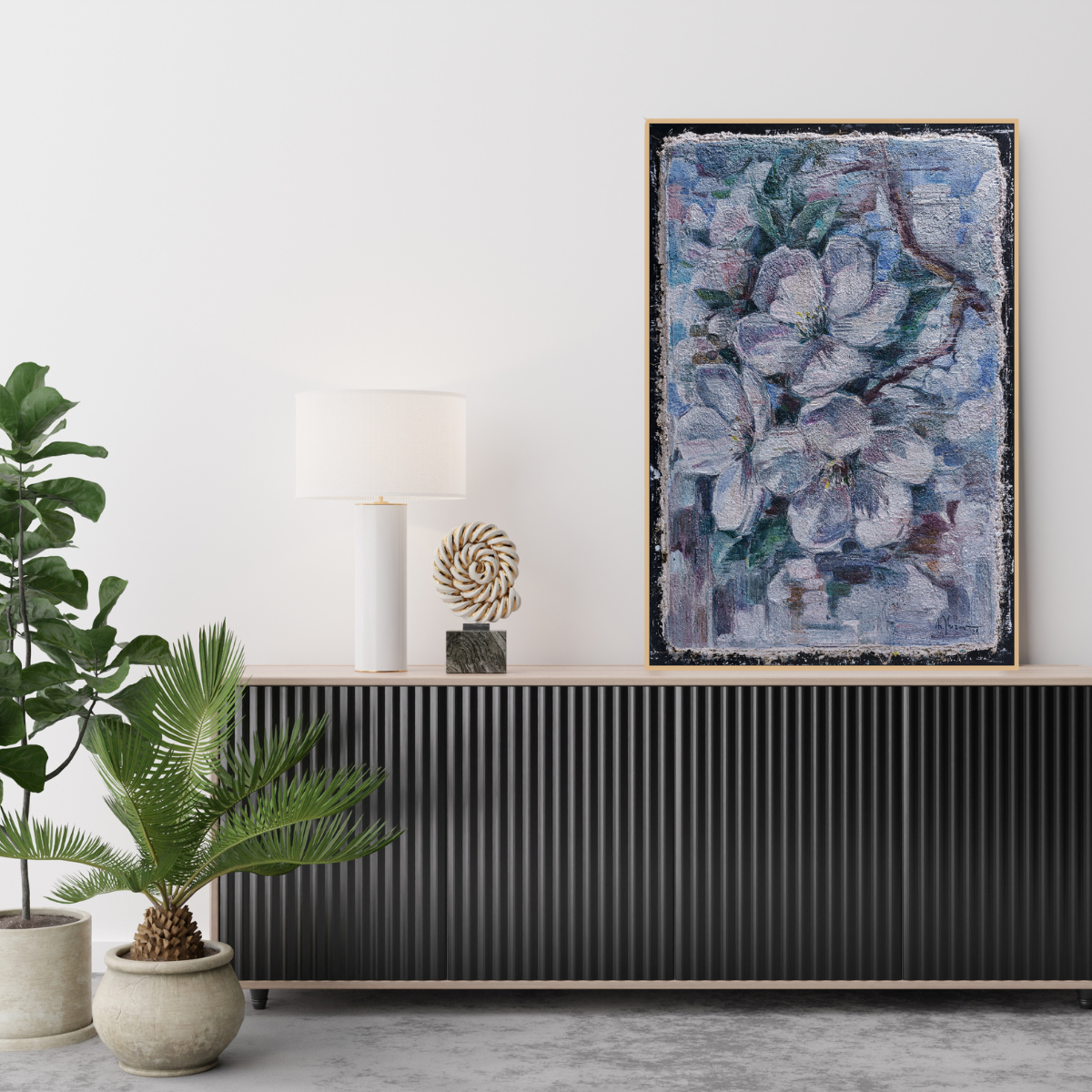
Eco-Friendly Fresco Art in the Modern World: Why Sustainability is the Future of Ancient Techniques
In an age defined by environmental responsibility and a growing demand for transparency in material sourcing, artists, architects, and collectors are rediscovering the monumental sustainability of the fresco tradition. Despite its ancient origins, fresco aligns perfectly with twenty-first-century ecological values: it is renewable, biodegradable, VOC-free, and remarkably long-lasting. Perhaps most importantly, fresco is one of the few art forms that is carbon-positive, regeneratively absorbing from the atmosphere as it cures.
This article explores why fresco has become a leading eco-friendly art form, how its mineral-based chemistry outperforms modern synthetic alternatives, and why designers increasingly specify it for high-end, sustainable interiors.
Why Fresco is a Leading Sustainable Art Form
Natural, Non-Toxic Raw Materials
At its core, fresco is composed of only five basic elements: lime, sand, marble dust, water, and natural earth pigments. These are all mineral-sourced, non-toxic, and fully biodegradable. Unlike acrylics, synthetic resins, and most modern oil paints, fresco contains:
-
No Petroleum Derivatives: Free from the oil-drilling industry.
-
No Microplastics: Unlike acrylic paint, which sheds plastic particles into the water system, fresco is 100% mineral.
-
No VOCs (Volatile Organic Compounds): Fresco does not "off-gas" harmful chemicals into your home.
-
No Synthetic Emulsifiers: There are no chemical binders or stabilizers required to hold the pigment to the wall.
Carbon Absorption and the "Lime Cycle"
One of fresco’s most remarkable environmental attributes is its natural carbon capture. When wet lime plaster is applied to a surface, it undergoes a chemical process called carbonation. As the plaster dries, it absorbs from the air and turns it back into calcium carbonate—the same mineral found in seashells and limestone. This means that a fresco not only avoids producing emissions, but it actively locks atmospheric carbon into stone for centuries.
Fresco Compared to Modern Art Materials
When evaluating the environmental impact of art, the "lifecycle" of the material is key. Modern materials often fail when compared to the mineral purity of fresco:
-
Fresco vs. Acrylic Paint: Acrylics are essentially liquid plastics. Every time a brush is washed, microplastics enter the wastewater. Fresco is 100% biodegradable and mineral-based.
-
Fresco vs. Oil Painting: Traditional oil painting is natural, but modern practice often requires turpentine, mineral spirits, and synthetic varnishes that are hazardous to both the artist and the environment. Fresco requires only water.
-
Fresco vs. Industrial Wall Paints: Even "low-VOC" modern wall paints contain acrylic resins and chemical preservatives. Fresco is inert and naturally antimicrobial, inhibiting mold and bacteria without the need for toxic biocides.
Sustainable Production and Architecture
Locally Sourced and Low-Energy
Many contemporary fresco artists source their lime, sand, and pigments from local quarries, significantly reducing the carbon footprint associated with global shipping. The production of fresco does not require industrial kilns (beyond the initial lime burning), plastic packaging, or complex chemical manufacturing. It is a "low-energy" workflow that relies on human touch and the slow, intentional pace of traditional craft.
Health and Wellness in Interior Design
Fresco is the healthiest wall finish available for modern homes. Because lime is naturally high in alkalinity, it inhibits mold and improves indoor air quality. It is also fire-resistant and acts as a natural humidity buffer, absorbing excess moisture and releasing it when the air is dry. This reduces long-term energy costs for climate control, making it an ecological as well as an aesthetic investment. For these reasons, fresco aligns with international green building standards such as LEED, BREEAM, and the WELL Building Standard.
How Collectors Can Support Eco-Friendly Art
Collectors can extend the sustainability of a fresco by making mindful choices regarding display and preservation:
-
Choose Natural Frames: Pair fresco panels with untreated wood, bamboo, or reclaimed timber rather than PVC or plastic-coated frames.
-
Eco-Safe Mounting: Use reversible, museum-grade mounting systems like brass hardware and pH-neutral backing boards.
-
Mindful Collecting: Embrace the philosophy of "slow living." Value a single, high-quality, enduring fresco over disposable, mass-produced decor trends.
The Future of the Mineral Renaissance
As the design world prioritizes longevity and carbon-conscious solutions, fresco is moving from the history books into boutique hotels, wellness spaces, and private eco-residences. Its dual identity as both a fine art and an architectural material ensures its continued relevance. Fresco is not just an ancient technique returning to fashion; it is a sustainable solution for a future that values beauty, health, and environmental respect.
The Ultimate Guide to All Types of Art Frames - And Where to Find Them
Archival Framing for Hahnemühle Prints: Boards, Mats, and Best Practices