

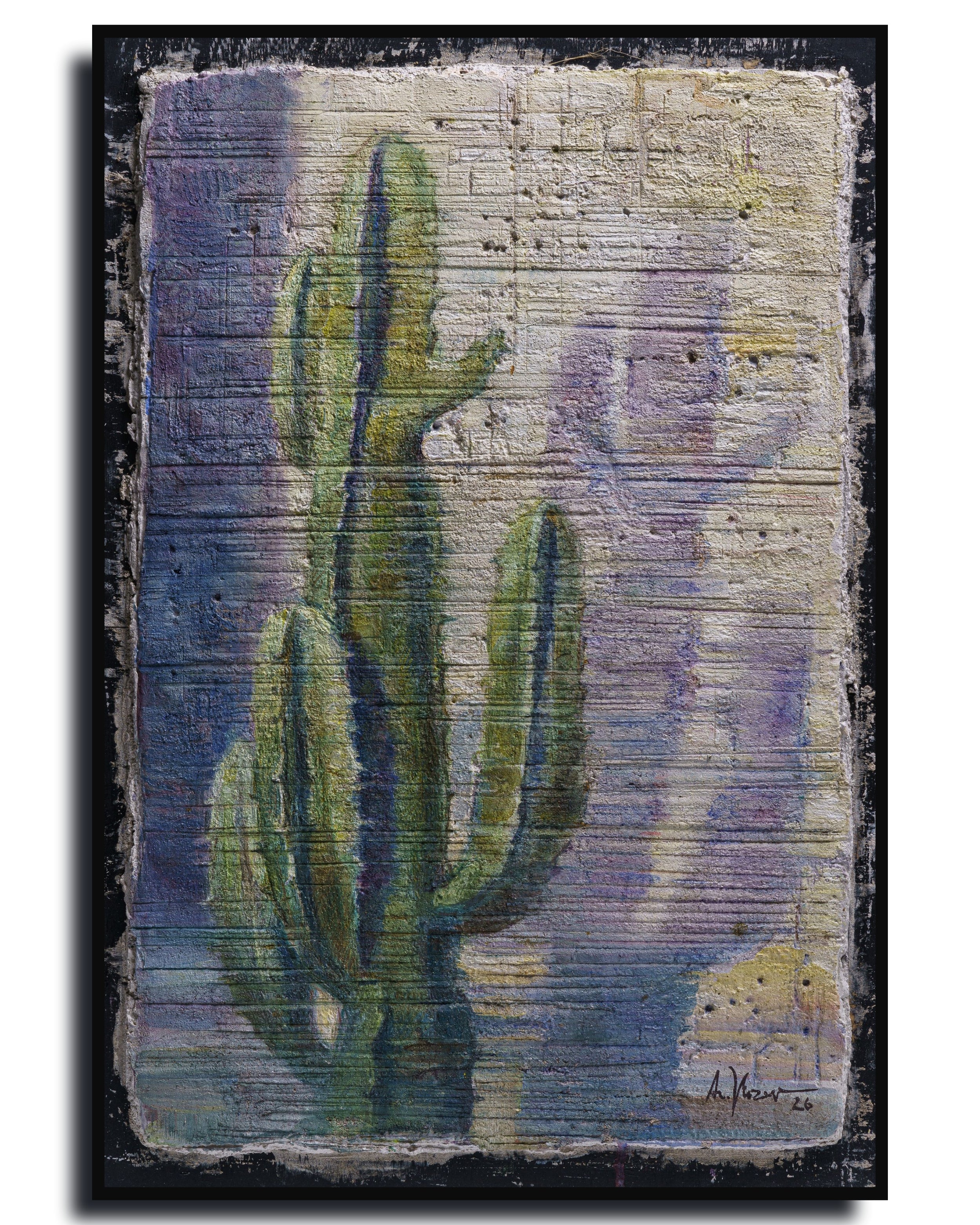
1. Archival Framing of Hahnemühle Paper — Protecting Fine Art for Generations
Hahnemühle is one of the most respected names in fine art paper, producing materials used by professional artists, photographers, and printmakers worldwide. Their product line spans traditional watercolor, drawing, and etching papers, as well as digital FineArt inkjet papers like Photo Rag® and Museum Etching®. These papers are designed for longevity, color vibrancy, and texture.
While Hahnemühle does not manufacture decorative frames, they provide a range of mounting boards, museum boards, and archival materials that allow prints to be framed safely and professionally. Using these boards correctly ensures a museum-standard presentation suitable for galleries, exhibitions, and collectors.
2. What Hahnemühle Offers for Framing
Hahnemühle focuses on archival-quality mounting solutions rather than decorative frames. Their materials are engineered to protect prints, prevent deterioration, and allow for professional installation.
Mounting Board
-
Acts as a stable base for prints, drawings, or photographic reproductions.
-
Fully acid-free, pH-neutral, and age-resistant, complying with DIN 6738 / ISO 9706 standards.
-
Prevents warping, creasing, or damage during handling or framing.
-
Ideal for T-hinge or Japanese hinge mounting, which attaches the print by its margins while allowing natural expansion and contraction.
Museum Board
-
Multi-ply archival board designed for passe-partout, backing, or flat support.
-
Protects the print from direct contact with glazing, reducing the risk of condensation or sticking.
-
Available in three main colors: Bright White, Natural White, and Ivory — neutral and unobtrusive.
-
Offered in thicknesses of 1.0 mm, 1.5 mm, and 2.0 mm, suitable for different print sizes and framing styles.
-
Enables museum-grade framing, whether traditional matting or modern “floating” presentations.
Archive Boards / Materials
-
Used for long-term storage of prints, drawings, and documents.
-
Acid-free and archival, preventing yellowing, “mat burn,” or chemical degradation over time.
-
Often paired with protective sleeves, envelopes, or boxes for storage.
In short, these boards “frame” the paper safely, while decorative frames are left to professional framers or the buyer.
3. Why Use Hahnemühle Boards
Archival Protection
-
Acid-free and pH-neutral properties prevent yellowing and long-term damage.
-
Maintains structural integrity, keeping prints flat and secure.
Professional Presentation
-
Supports museum-standard methods, including T-hinge, Japanese hinge mounting, or floating frames.
-
Handles deckle-edge or textured prints without compromising aesthetics.
Versatility and Flexibility
-
Multiple thicknesses, colors, and sizes adapt to various artwork formats.
-
Can be combined for standard matting, passe-partout, or floating frame styles.
Enhanced Visual Appeal
-
Neutral-colored boards enhance the artwork itself, without drawing attention away.
-
Supports gallery-level presentation, suitable for exhibitions, private collections, or retail display.
4. Methods for Framing Hahnemühle Prints
Standard Mounting + Passe-Partout + Backboard
-
Place the print on the mounting board using archival hinges (T-hinge or Japanese hinge).
-
Add a passe-partout from museum board to separate the print from glass, creating an air gap that prevents condensation or sticking.
-
Close the frame with a museum-grade backboard.
Ideal for museum or gallery presentation, maximizing longevity and professional appearance.
Floating / Box Frame / Deckle Edge Style
-
Perfect for prints with deckle edges or textured surfaces.
-
Use a deeper shadow or box frame so the paper appears to float.
-
Use spacers to prevent the print from contacting glass or acrylic glazing.
-
Showcases the edges of the paper, giving a clean, gallery-ready look.
Mixed Media / Layered Mounting
-
For complex works or prints combined with other media, Hahnemühle boards provide multi-layered protection.
-
Boards can be cut to size, allowing combination with archival mats or layered frames.
-
Supports safe inclusion of embellishments, hand-drawn elements, or textured papers without damage.
5. Best Practices for Handling and Mounting
-
Wear clean cotton gloves to prevent oils or fingerprints on paper.
-
Use acid-free, pH-neutral materials: mounting boards, museum boards, backboards, photo corners, adhesives.
-
Mount only at the white margins — never attach to the printed area.
-
Use UV-filter glass or acrylic to protect against light damage.
-
Leave an air gap between paper and glazing using spacers or mats.
-
Maintain stable environmental conditions: 18–22 °C temperature, 35–55% humidity, away from direct sunlight and heat sources.
-
Test mounting techniques on scrap pieces if unfamiliar with archival procedure.
6. What to Avoid
-
Dry mounting or heat press adhesives — destroys paper fibers and ink.
-
Regular tape or self-adhesive products — leave permanent stains.
-
Mounting on the printed area — adhesive must touch only the white margin.
-
Non-archival mats or boards — can yellow or chemically react with prints.
-
Contact with glass without spacers — may stick and deform the paper.
-
Direct sunlight exposure — even with UV glass, avoid strong light to prevent fading.
7. Why Choose Hahnemühle Boards for Archival Framing
-
Guaranteed archival quality — essential for long-term preservation.
-
Professional, museum-grade framing — suitable for galleries, collectors, and exhibitions.
-
Aesthetic neutrality — enhances the artwork without distraction.
-
Adaptable to modern and traditional frames — works with wood, metal, or shadow frames.
-
Supports deckle-edge and textured papers, allowing “floating” presentations.
-
Peace of mind — ensures artwork remains protected for decades or centuries.
Eco-Friendly Fresco Art in the Modern World. Fresco as a Sustainable Art Form: Why Eco-Conscious Creators Are Returning to Ancient Techniques
Hahnemühle Paper: Full Overview — Product Lines, Characteristics and Best Practices