

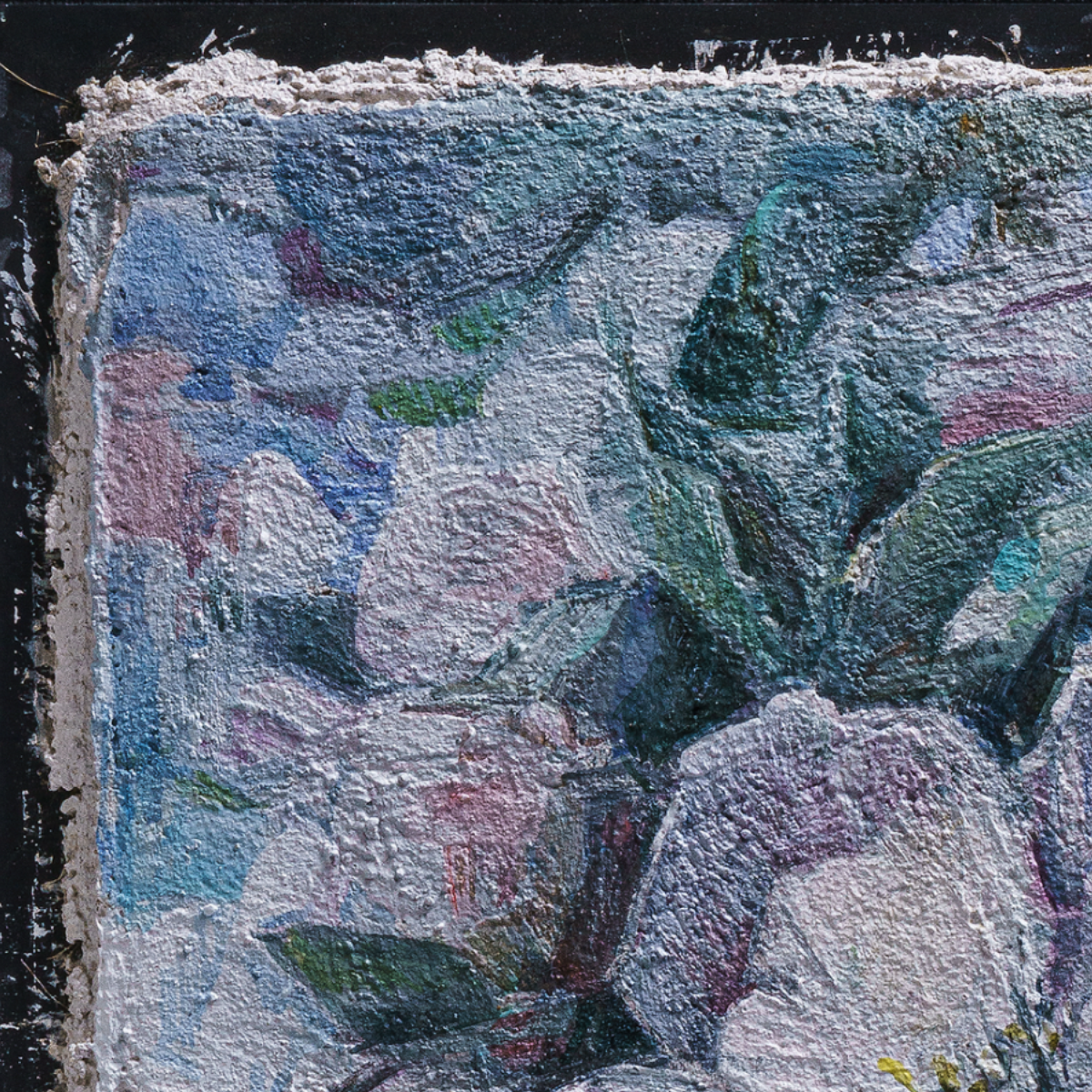
Bringing Fresco Texture into the Digital Age
The art world is witnessing a fascinating convergence where the most ancient of techniques, fresco painting, is being reinterpreted through the lens of modern technology. Digital fresco is a movement that allows artists to replicate the rich, tactile texture, subtle color palette, and profound depth of true fresco in digital files, prints, mixed media, and immersive digital displays.
This approach bridges the historical aesthetic of pigment absorbed into wet plaster with the modern demands of accessibility, experimentation, and mass reproduction. By utilizing digital tools, artists can bypass the rigorous technical and environmental constraints of traditional fresco while honoring its distinctive visual and material language.
Combining Tradition with Technology
Traditional fresco painting is defined by its material integrity and permanence, created by the chemical process of carbonation where pigment fuses directly with the lime plaster. Digital fresco seeks to capture and simulate these characteristics—the subtle mineral grain, the matte finish, the soft edges of the giornata (a day's work of plaster)—in a digital environment.
Benefits of Combining Tradition with Technology:
-
Reach Broader Audiences: Reproduce large-scale fresco-inspired designs in editions or formats suitable for smaller collections.
-
Adapt to Modern Spaces: Incorporate the grandeur of a fresco into spaces where traditional plaster, curing time, or heavy materials are not feasible, such as temporary installations, offices, or interior design projects.
-
Ensure Archival Security: Create permanent digital records of designs that can be preserved indefinitely without risk of physical degradation.
Expanding Creative Possibilities
Digital tools fundamentally free the artist from the limitations imposed by the chemistry of wet plaster, allowing for limitless experimentation. Unlike the unforgiving nature of buon fresco, where mistakes cannot be easily undone, the digital canvas allows artists to:
-
Layer Textures: Apply multiple plaster, crackle, or mineral grain textures, adjusting density and opacity instantly.
-
Iterate Rapidly: Instantly adjust colors, hues, saturation, and lighting to simulate different pigment reactions or historical patinas.
-
Simulate Imperfections: Intentionally introduce the subtle imperfections, wear, and water stains often found in ancient frescoes, adding a layer of authenticity and historical weight to the digital work.
This freedom allows the conceptual artist to focus purely on composition and aesthetic effect without the anxiety of the plaster drying prematurely, making the initial planning and color studies highly efficient and flexible.
Core Techniques for Creating Digital Fresco
Texture Capture and Reference
The foundation of a successful digital fresco lies in accurate texture capture. The texture acts as the skin of the artwork, simulating the physical presence of the plaster. Key techniques include:
-
Photography of Actual Frescoes: Capturing high-resolution images of existing fresco surfaces, paying close attention to the direction of light to reveal surface depth, plaster undulations, and cracks.
-
Scanning Plaster Panels: Utilizing flatbed or 3D scanners to capture the minute details of a prepared, unpainted plaster surface, including the grain of the sand and the edges of the trowel marks.
-
Creating Digital Brushes and Overlays: Developing custom software brushes or texture overlay files that replicate mineral grains, subtle plaster irregularities, and the characteristic matte-chalky appearance of true fresco.
These assets form the artist's foundational digital palette.
Software Tools and Digital Workflow
Specialized digital tools are essential for executing the layering and manipulation required to achieve a realistic fresco effect:
-
Adobe Photoshop or Illustrator: Used extensively for layering textures, masking, color calibration, and integrating photographic elements. Photoshop's blending modes are crucial for simulating how pigment sinks into, rather than sits on, the plaster.
-
Corel Painter or Procreate: These offer brushes designed to mimic traditional media like charcoal, tempera, and watercolor, which are instrumental in simulating the spontaneity of quick brush strokes and the characteristic pigment absorption into the wet surface.
-
3D Rendering Programs (e.g., Blender, ZBrush): Used to mimic plaster relief and surface depth, especially for highly dimensional or architecturally integrated digital designs.
The digital workflow allows artists to adjust hue, saturation, lighting, and grain with precision, allowing for the kind of subtle tonal transitions and earthy patina that defines the classic fresco aesthetic while maintaining complete control over the final look.
Simulating Fresco Texture in Prints
Printing Techniques
To reproduce the depth and surface quality of fresco in prints, artists utilize strategic material pairings:
-
Textured Papers: The use of textured fine art papers is paramount. Materials such as thick, cotton-based, or Hahnemühle textured fine art papers are specifically chosen for their ability to mimic the roughness and slight unevenness of a plaster surface.
-
Giclée Printing: Employing giclée printing with archival pigment inks ensures high-resolution detail and long-lasting color fidelity, capturing the subtle variations in the simulated mineral palette.
-
Relief or Embossing: For truly tactile pieces, specialized printing services can incorporate relief or embossing techniques to physically press or raise areas of the print, introducing a dimensional element that mimics the slight buildup or recession of plaster and pigment.
By focusing on matte, low-gloss finishes, prints can successfully maintain the mineral, earthy aesthetic of fresco while offering the versatility of display inherent to paper or canvas.
Color Management
The successful simulation of fresco requires careful attention to its unique color properties. Fresco pigments—derived from minerals and earth—possess a subtle, earthy palette, often muted and matte. Digital simulation demands meticulous calibration:
-
ICC Profiles: Utilizing ICC profiles for both the printer and the monitor is essential for ensuring that the colors seen on screen accurately translate to the pigments on the paper.
-
Reference Calibration: Colors must be rigorously calibrated against reference photographs of actual fresco surfaces to avoid the overly saturated or flat look common in standard digital prints.
-
Simulating Variation: Artists must digitally simulate the natural pigment variation that occurs as true fresco dries, which prevents the digital work from appearing sterile or artificially uniform.
Integrating Digital Fresco in Mixed Media
Hybrid Approaches
Digital designs act as a starting point or a detailed underpainting that is finished with traditional media:
-
Printed Overlays: Digital fresco textures can be printed onto thin paper or canvas and then overlaid with watercolors, pastels, or acrylic glazes. The subsequent layers of physical pigment add undeniable depth, reflectivity, and texture that the print alone cannot achieve.
-
Underpainting on Plaster: Artists may use a digital design as a precise guide, printing it lightly onto a prepared, dry plaster panel (fresco secco). They then apply traditional pigments or tempera over the print, grounding the digital plan in a physical, durable substrate.
-
3D-Printed Elements: Modern technology allows artists to incorporate 3D-printed elements onto or under the print surface to create defined relief effects, physically mimicking the depth of built-up plaster or architectural ornamentation.
Creative Applications
The resulting visual richness allows for diverse creative outputs:
-
Public Art Murals: Large digital prints on vinyl or durable outdoor panels can be installed quickly and cost-effectively, providing the look of a labor-intensive fresco mural for public art initiatives.
-
Gallery Panel Work: Hybrid panel pieces can be exhibited in galleries, offering the visual complexity of fresco without the weight or site-specificity, broadening market appeal.
-
Commercial Design: Digital fresco textures can be seamlessly applied to commercial design applications, such as large-scale wall coverings in hotels, restaurants, or high-end retail spaces.
Advantages of Digital Fresco
The digital approach offers several significant benefits that address the traditional constraints of the medium:
-
Accessibility: Digital fresco democratizes the art form. No specialized plastering skills, large walls, or controlled pigment application timing are required. Artists can experiment in any studio or digital environment.
-
Preservation and Archiving: Digital files allow indefinite preservation without physical degradation, moisture damage, or chemical fading. Prints can be produced in limited editions while the original file remains pristine.
-
Experimentation and Iteration: Artists can generate dozens of color studies, composition adjustments, and texture variations in the time it would take to prepare a single giornata, fostering rapid innovation and refinement.
Challenges and Considerations
Maintaining Authenticity
The primary risk is the loss of the tactile, spontaneous qualities that define traditional fresco. Artists must carefully simulate texture, pigment sinking, and subtle irregularities to retain the visual authenticity of the source material.
Color Accuracy
Reproducing the earthy, mineral palette of true fresco in a digital print environment is technically demanding. Digital printers use subtractive color (CMYK), which often struggles to replicate the luminosity and matte depth of mineral pigments. Advanced calibration and test prints are critical.
Viewer Perception
A printed digital fresco will never fully match the weight, depth, and three-dimensional surface reflection of physical plaster. Strategic use of print media and mixed media overlays helps manage expectations and simulate authenticity.
Recommended Tools and Materials
Digital Tools
-
Adobe Photoshop: For layering textures, color calibration, and integrating photographic elements
-
Corel Painter: Mimics traditional brush strokes and pigment diffusion
-
Procreate: Tablet-based fresco simulation with tactile brush textures
Printing Materials
-
Textured Fine Art Papers: Cotton or rag papers for archival quality and matte, plaster-like finish
-
Matte or Soft-Touch Coatings: Eliminates glare and mimics low-reflectivity of fresco
-
3D Surface Printing: Micro-relief textures enhance physical depth
Mixed Media Supplies
-
Glazes and Pastels: Watercolor, acrylic glazes, or pastels for layering over prints
-
Transparent Gels: Simulate depth and sfumato (soft transitions)
-
Light Sculptural Elements: Wood putty or foam mimics plaster relief
Teaching Digital Fresco
Curriculum Integration
Art schools should combine historical fresco study with digital translation exercises. Students should:
-
Analyze Surfaces: Study textures and pigment absorption of traditional frescoes
-
Translate Media: Convert physical characteristics into digital media using custom brushes
-
Experiment with Hybrid Applications: Produce prints or panels merging digital design with physical materials
Project-Based Learning
Educational projects can focus on creating digital fresco portfolios, experimental prints, or installations merging history with contemporary technology. Students learn composition, proportion, and giornata planning while innovating in digital formats.
Contemporary Applications and Exhibitions
Public Art and Interior Design
Large digital prints provide the visual richness of fresco in offices, hotels, or corporate lobbies without long-term wall preparation.
Art Prints and Editions
Artists can sell digital fresco prints as limited editions, preserving tactile appeal while maintaining artistic control.
Hybrid Installations
By combining projection, high-quality print, and traditional media, artists create immersive environments celebrating classical fresco aesthetics with modern technology.
Digital fresco is a vital bridge between historical craftsmanship and modern technology. It allows contemporary artists to explore one of art history's most demanding aesthetics in accessible, iterative, and highly creative ways, while maintaining the mineral-rich texture, color, and depth that define true fresco.
Displaying Contemporary Fresco Art in Modern Interiors
What is Fresco?