
Dimitriyan Ivanov
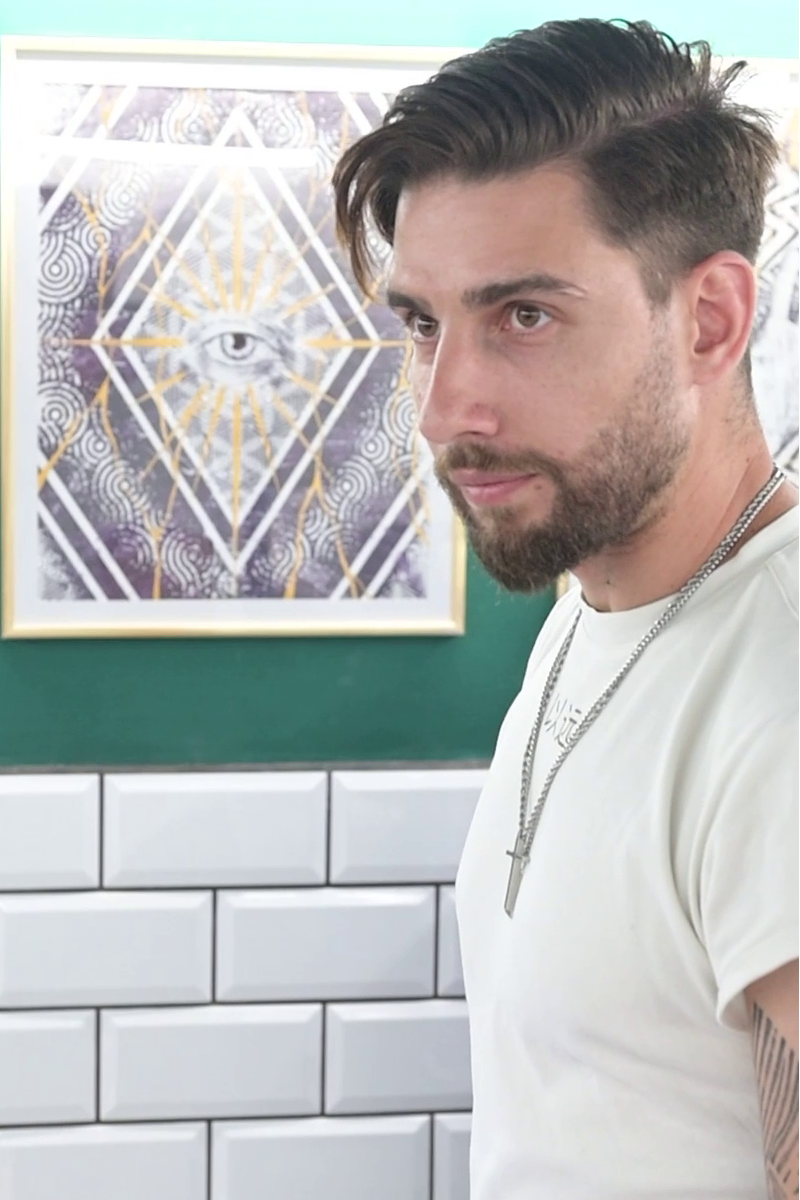
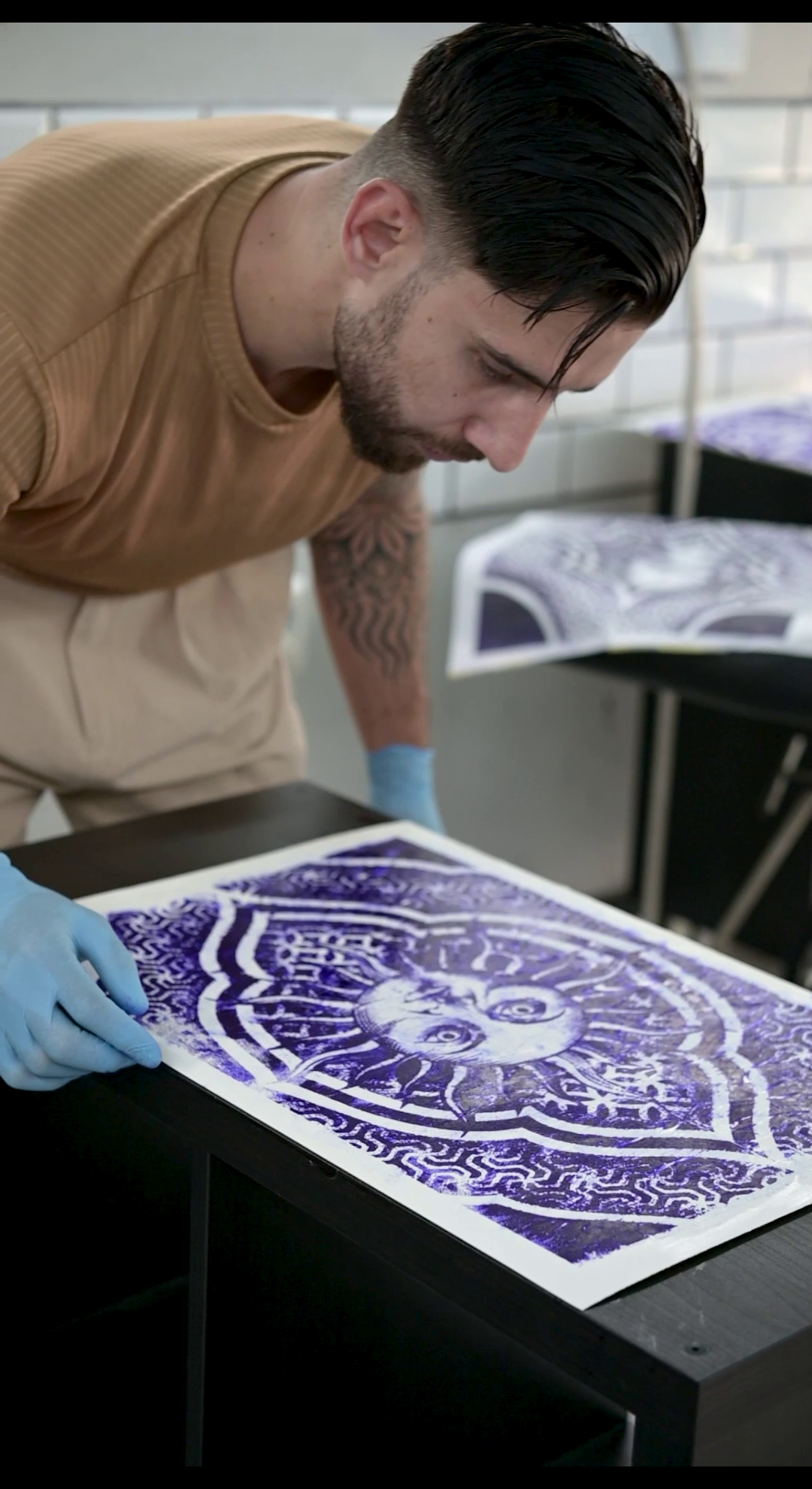
Dimitriyan Ivanov is a Bulgarian tattoo and graphic artist, co-founder of Mastilnica, and a featured artist at Gito Art. His distinctive work combines Japanese symbolism, nature, geometry, and tattoo culture, transforming them into powerful limited-edition contemporary artworks.
His Story
Art has always been a part of my life. Through it, ever since I can remember, I have fulfilled my need to create and to view reality through a different prism. It feels as though everything I do is connected to creating, and art is the most beautiful expression of the human desire to create.
I cannot say exactly when I started drawing because there has never been a conscious moment in my life when I was not drawing. However, my professional journey in art began when I was 10 years old and decided to pursue animation. That was when I started taking private drawing lessons to prepare for art high school and, later, the academy.
I studied at a high school for applied arts, specializing in children's toys. At the age of 15, I made my first attempt at starting my own business, through which I hoped my art would find a more complete expression. I set up a workshop for children's toys, and although I managed to sell a few of them, it was more of a preparation for the future than a true business success.
After graduating, I studied in Sofia for a year and then moved to Rotterdam. After one semester of animation studies, I had to interrupt my education and work in construction because Bulgarians were not allowed to work there legally at the time. During the financial crisis, my mother could no longer support me, and so, at the age of 19, I found myself sleeping in the dust of a construction site, in a sleeping bag, at temperatures of -10°C. It was undoubtedly one of the most formative experiences of my life.
Eventually, I returned to Bulgaria and continued studying animation. During that period, however, tattooing found me almost by accident, and before I realized it, I had become deeply passionate about this art form.
Tattoo Art
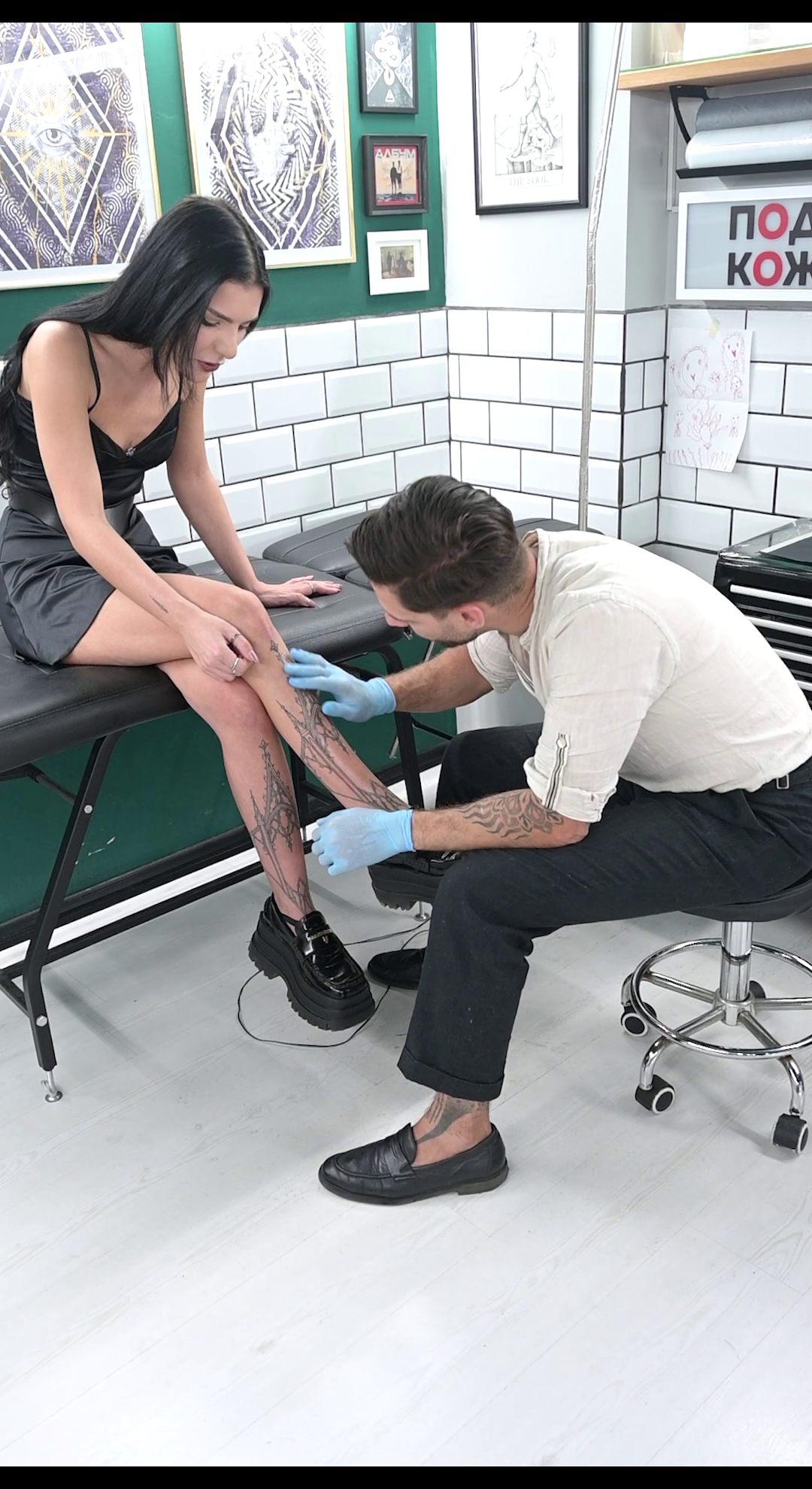
Tattooing has never been, and never will be, just art. It has always been a ritual. The pain you must endure in order to allow something—both literally and symbolically—to enter beneath your skin, by your own choice and forever, makes it a truly unique form of art.
Tattooing is a miniature reflection of the world and of how life should be lived. It teaches us to accept pain and understand its meaning. It shows us that every stage of growth requires discomfort, and that without pain there can be no development or transformation. Through tattooing, we can experience this dynamic in a tangible way.
I decided that this was my path, and for the past 14 years I have followed it unwaveringly. Twelve years ago, I set out to create the best tattoo studio in the country—one that would completely redefine the way tattoo studios are built and operated. I succeeded in achieving that vision with Mastilnitsa Tattoo Studio.


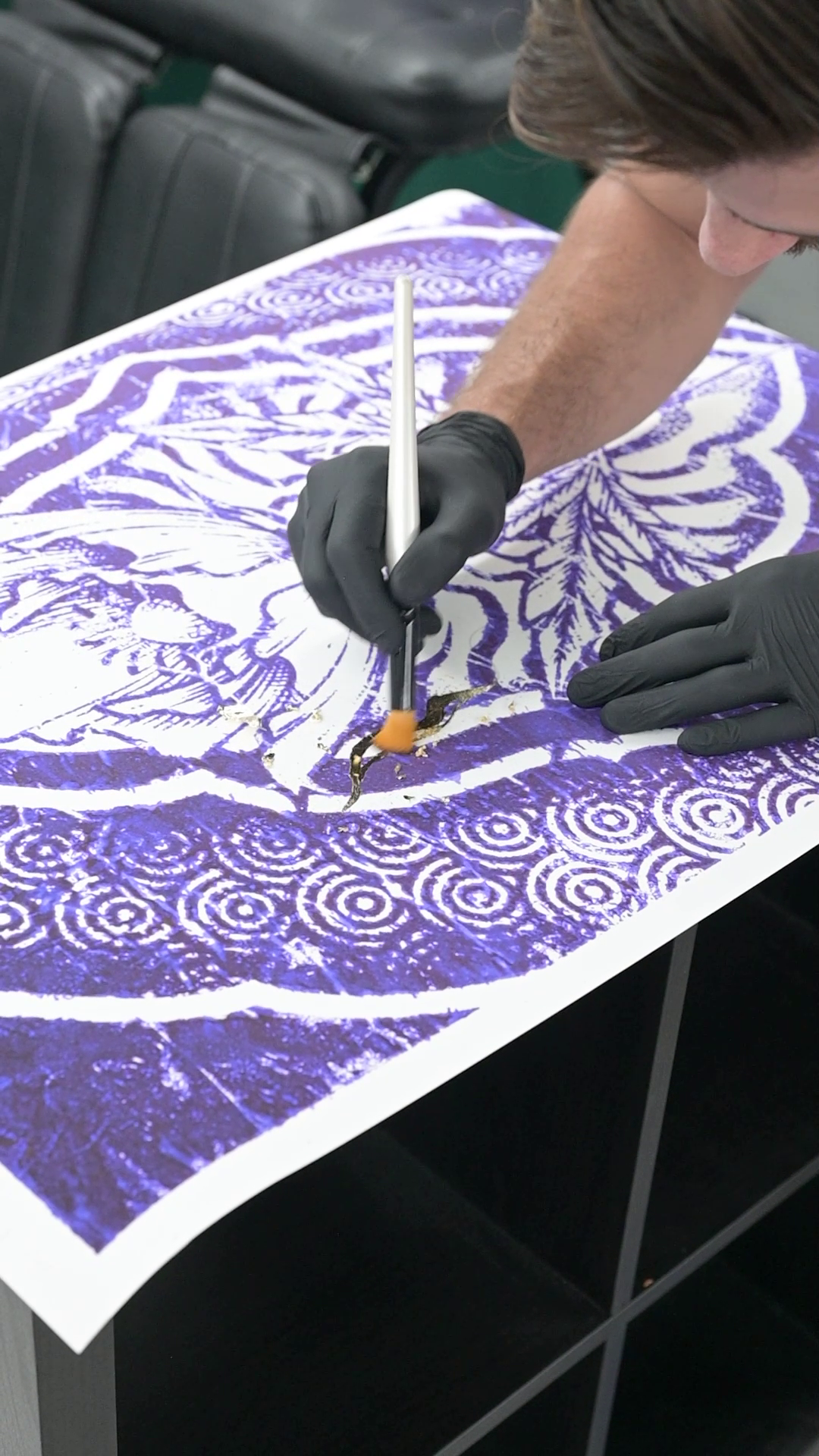
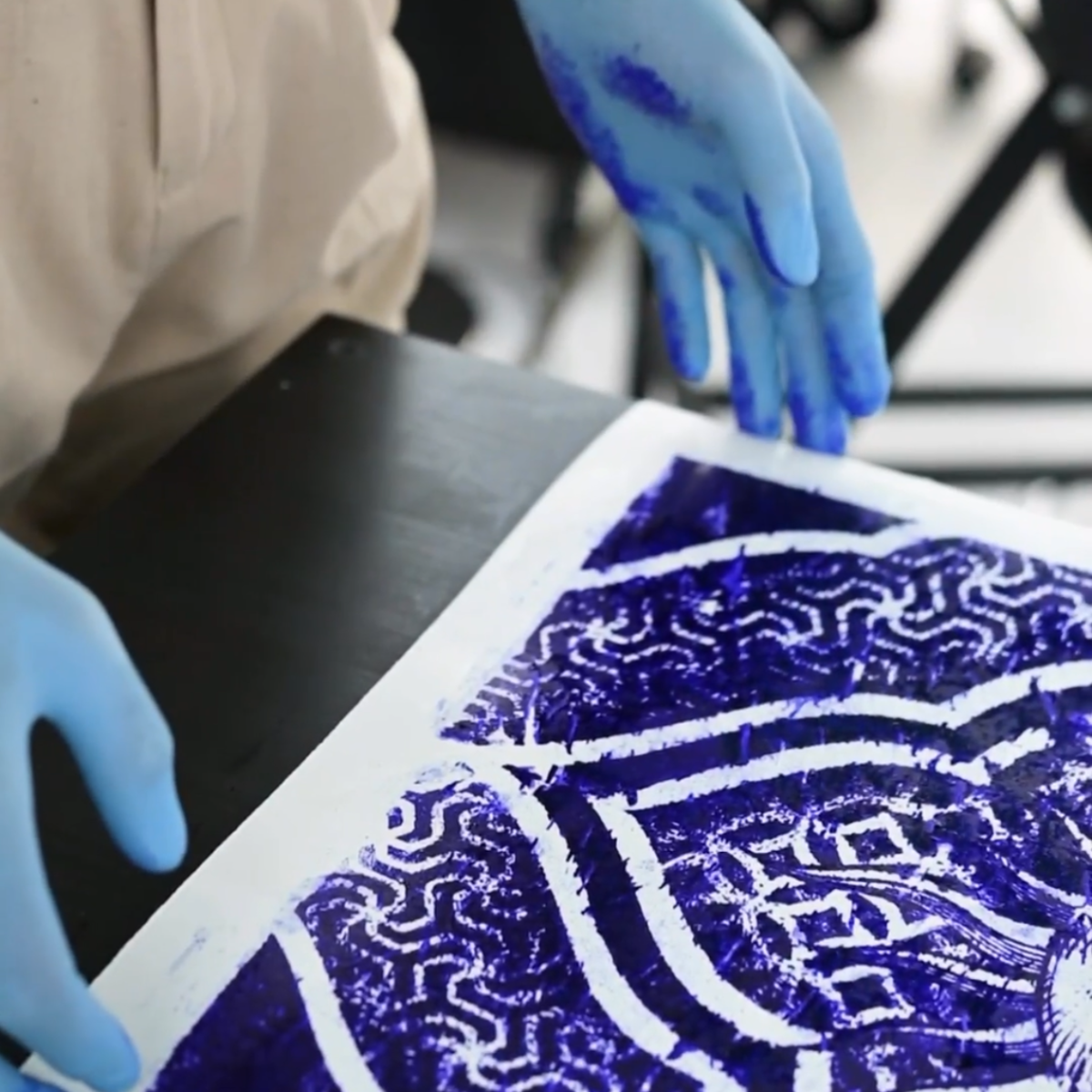
The Architecture of Time
There are numbers that appear everywhere in nature, again and again. Repetitions and patterns that people have observed for thousands of years, trying to understand, preserve, and express them through art.
One of these numbers, visible throughout the natural world, is 12—the number that symbolizes the completion of a cycle. The hours that make up a day begin at zero and reach twelve, completing one cycle before making space for the next. The year begins with January and ends with December, the twelfth month. Twelve is the number of annual cyclicality.
This body of work is my representation of each stage within this twelvefold cycle, divided—as nature so often organizes itself—into four groups of three interconnected parts.
Twelve artworks corresponding to the complete cycle of the seasons; one painting for each month and each hour, giving visual form to the emotions and symbolic structures embodied by each of them.
The first group represents spring and the earliest hours of life. It contains elements that evoke abundance, new life, movement, freedom, and the untamed creative force of nature. It embodies the feeling of a new beginning, along with hope, faith, and motivation.
The second group represents summer and the completion of half of the twelve-part cycle. Here, the elements symbolize warmth, light, the peak of masculine energy, and the moment in the cycle when the masculine principle reigns supreme. The works convey a sense of calm, confidence, and strength.
The third group, representing autumn and the beginning of the journey toward darkness, is characterized by elements that evoke fertility and the gradual entrance into the feminine half of the cycle. It carries a subtle melancholy and a deeper connection with the subconscious aspects of our nature.
With the fourth group—the season of winter and the final hours of the day—the cycle of works reaches its conclusion. Through symbols of darkness, solitude bordering on madness, cold, isolation, and the complete immersion into feminine energy, these works depict the necessary ending from which the beginning of the next cycle can be born.
For every ending is also a beginning, and every completed cycle creates the space for a new one to emerge.
Under The Skin - By Dimitriyan Ivanov
Twelve artworks corresponding to the complete cycle of the seasons; one painting for each month and each hour, giving visual form to the emotions and symbolic structures embodied by each of them.
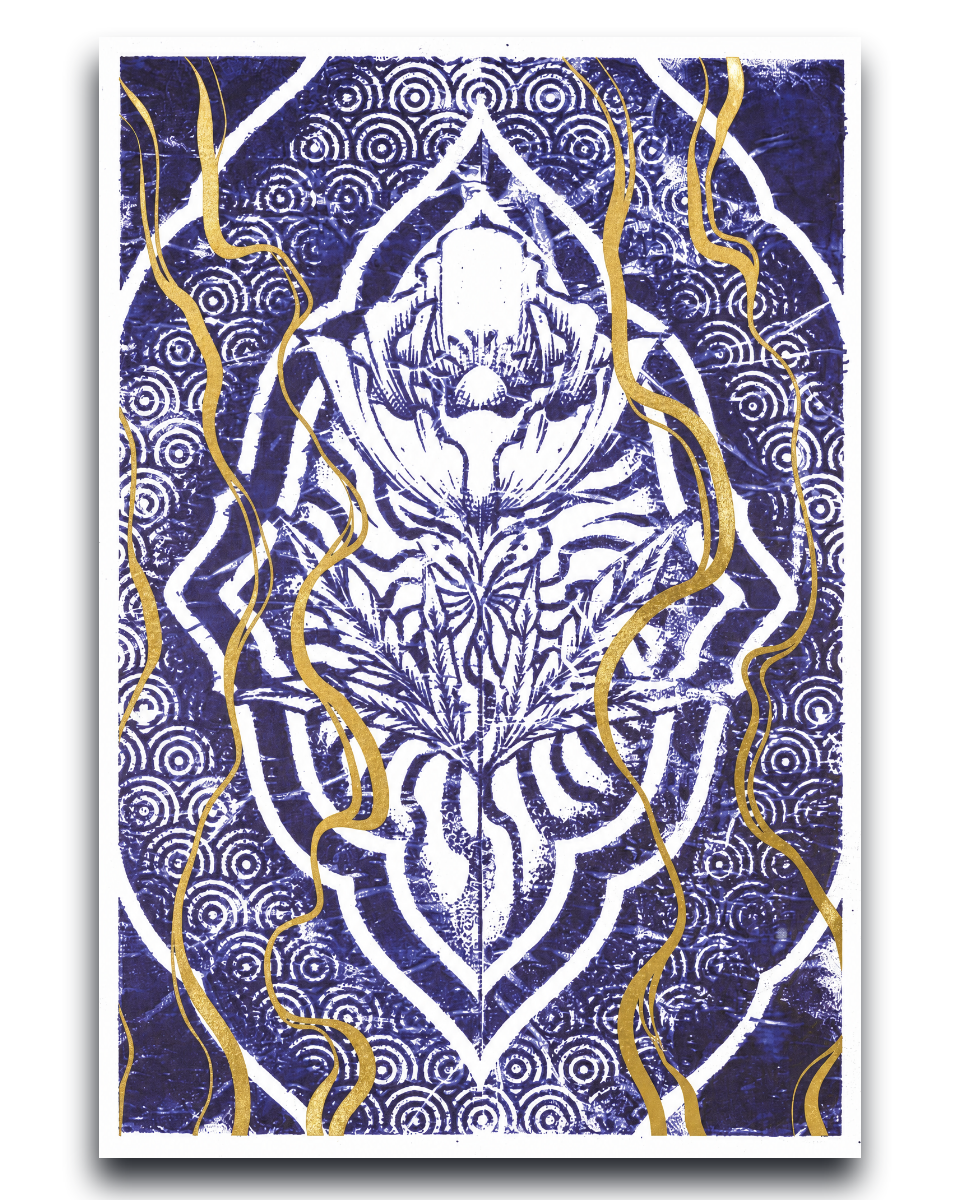
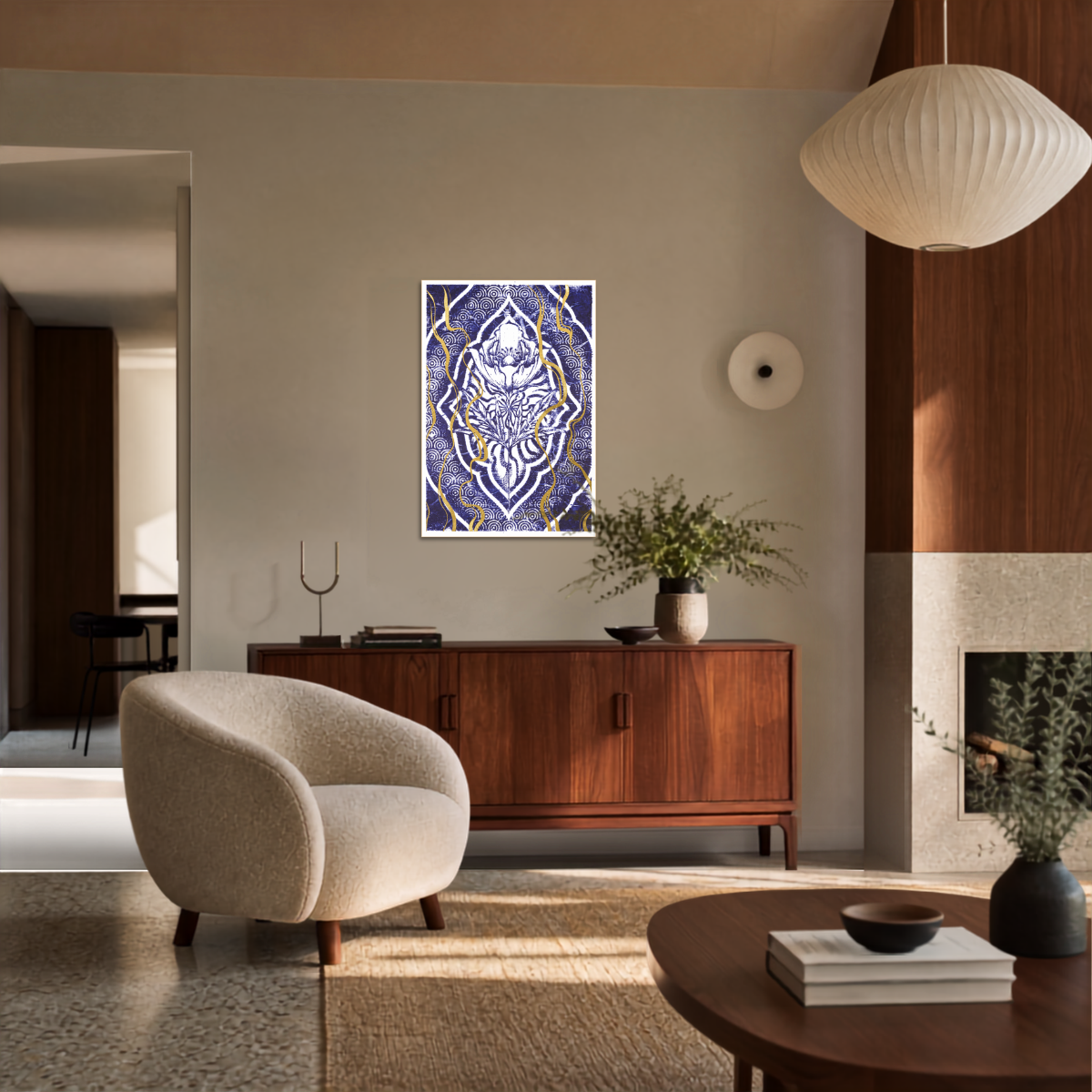
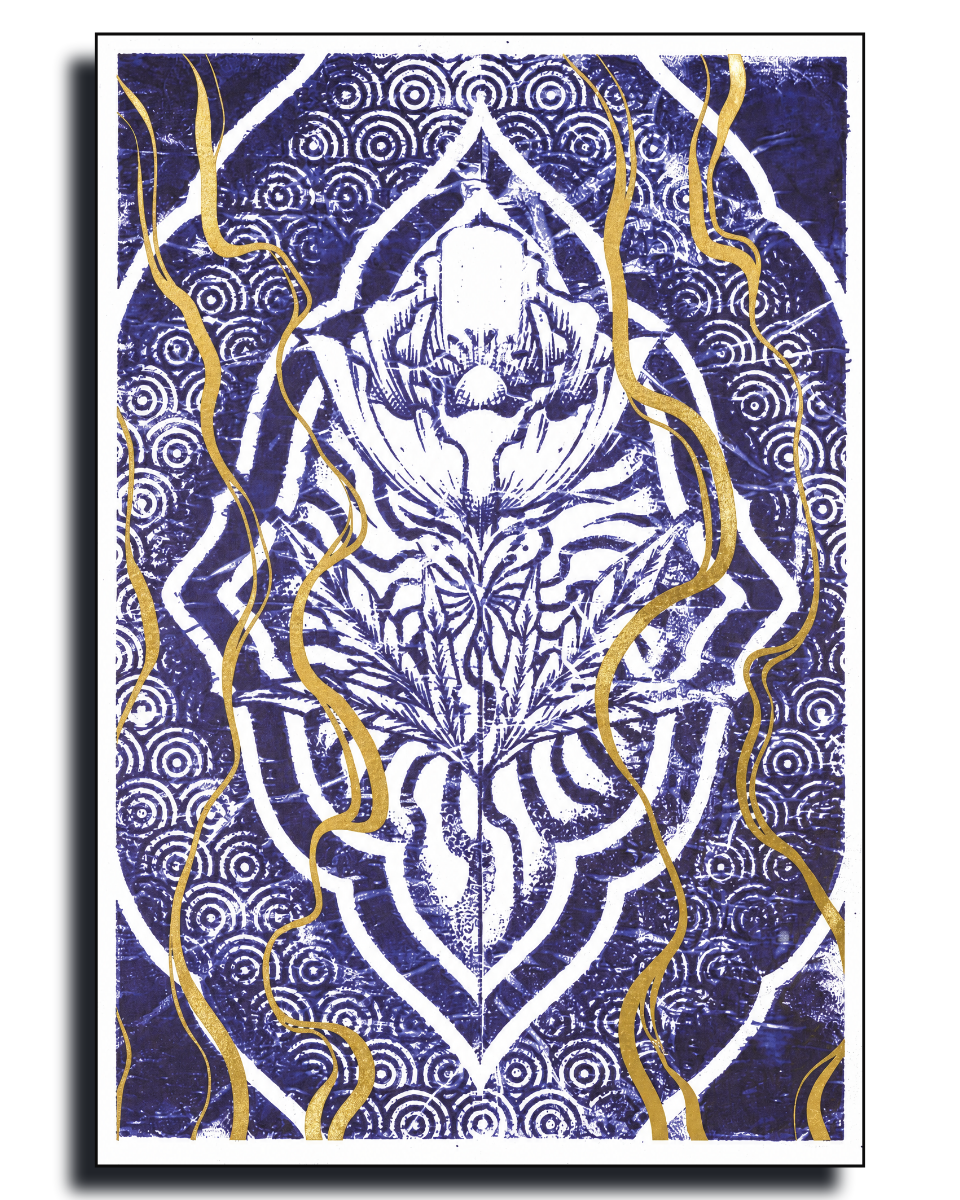
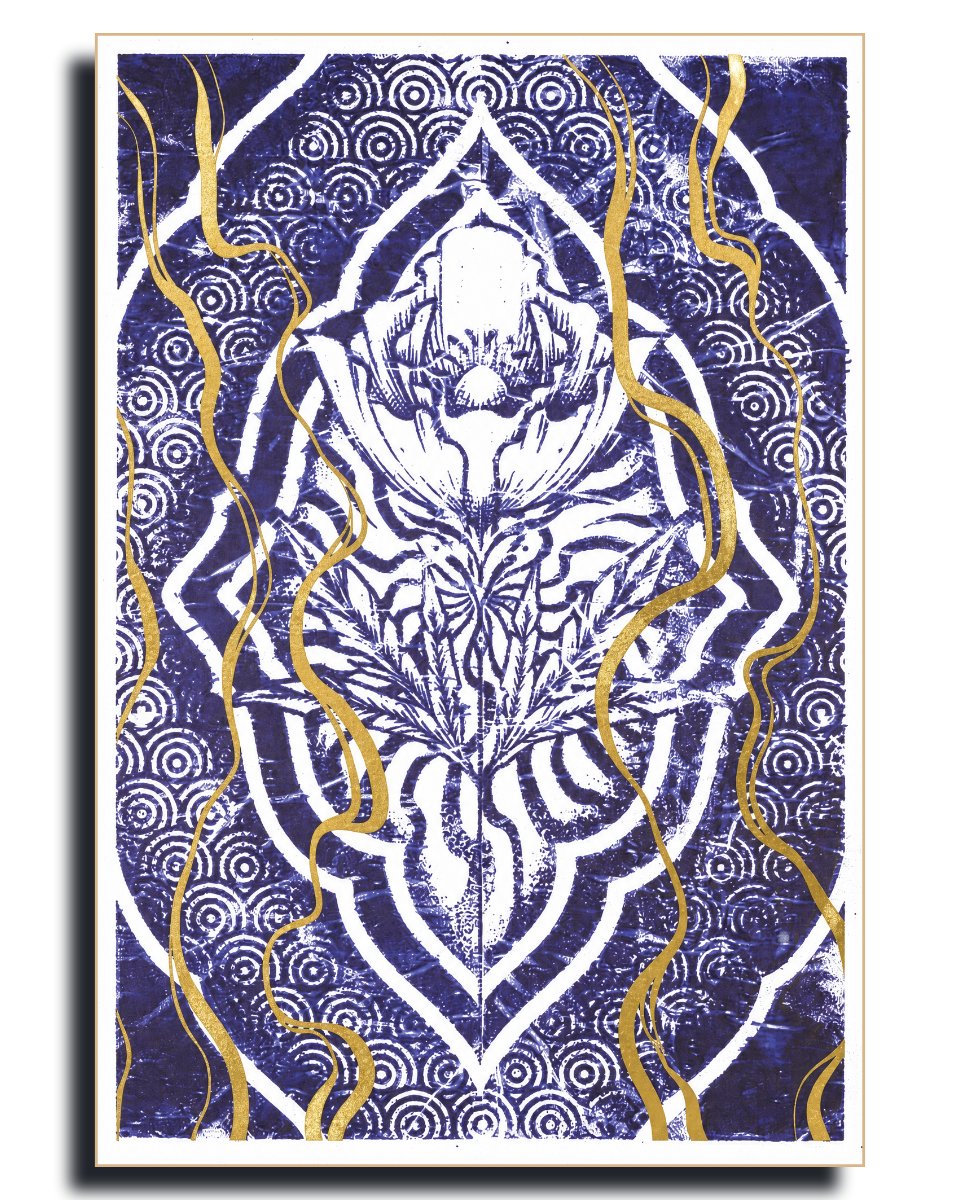
Seigaiha - Serenity | Fine Art Wall Print | Tattoo Art | Limited 50/50
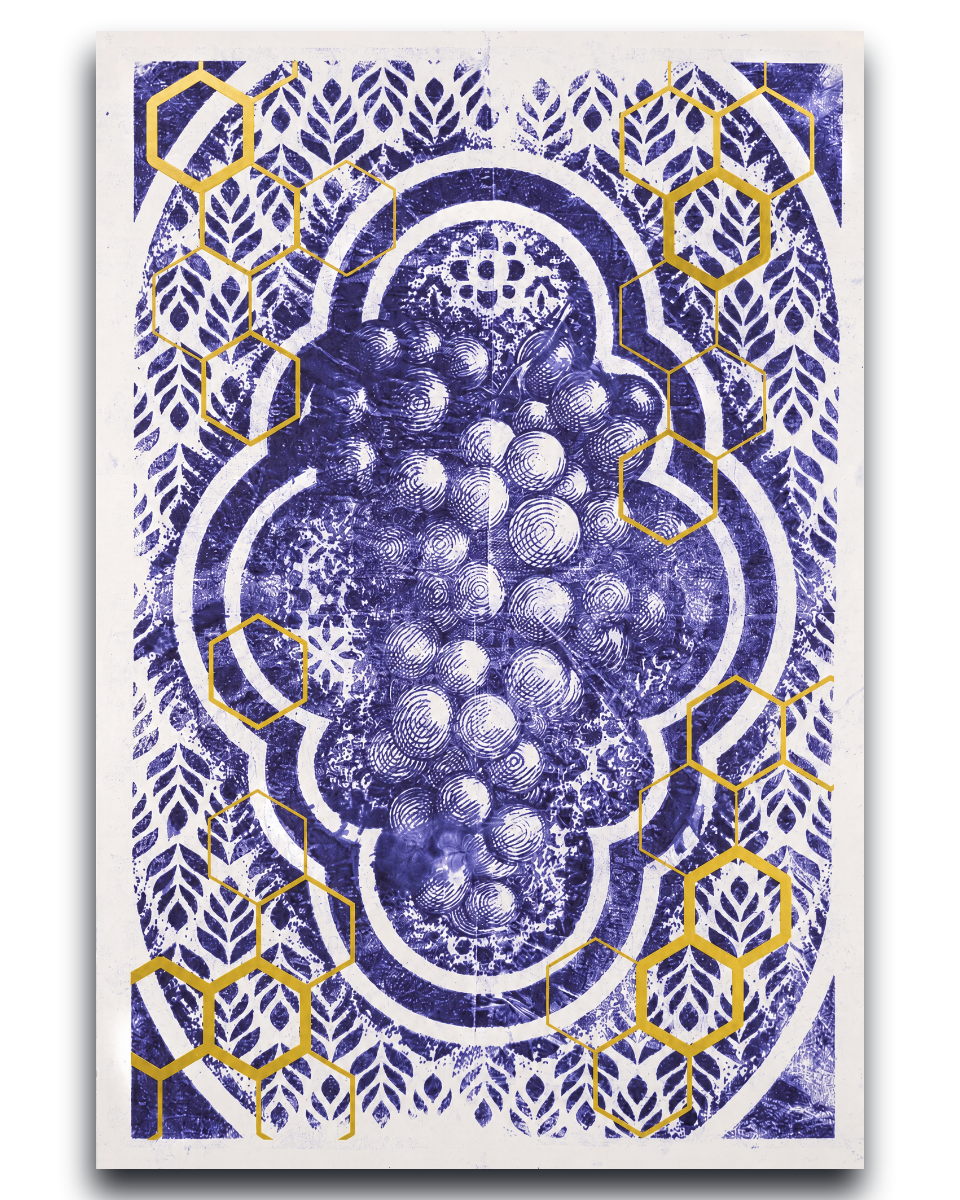
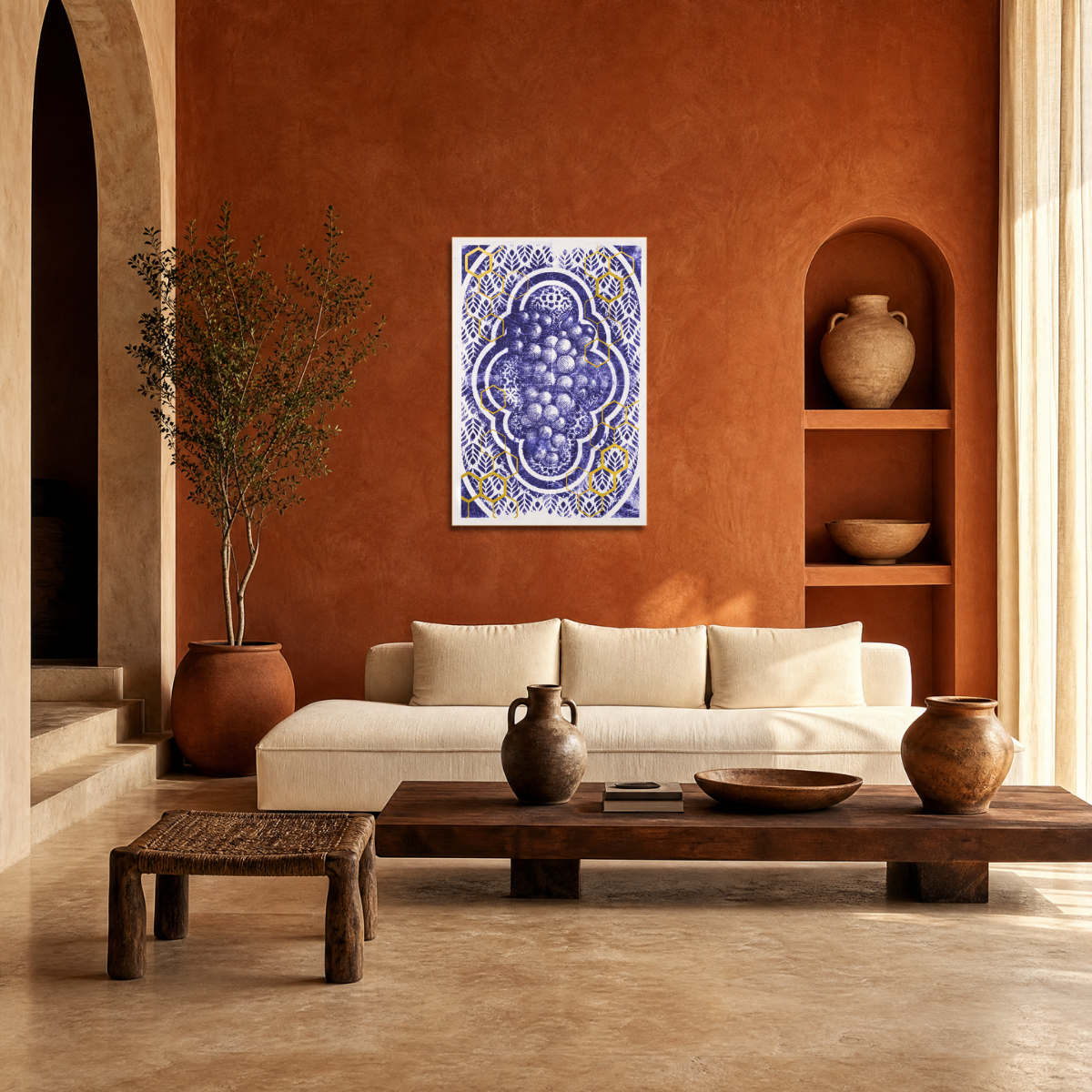
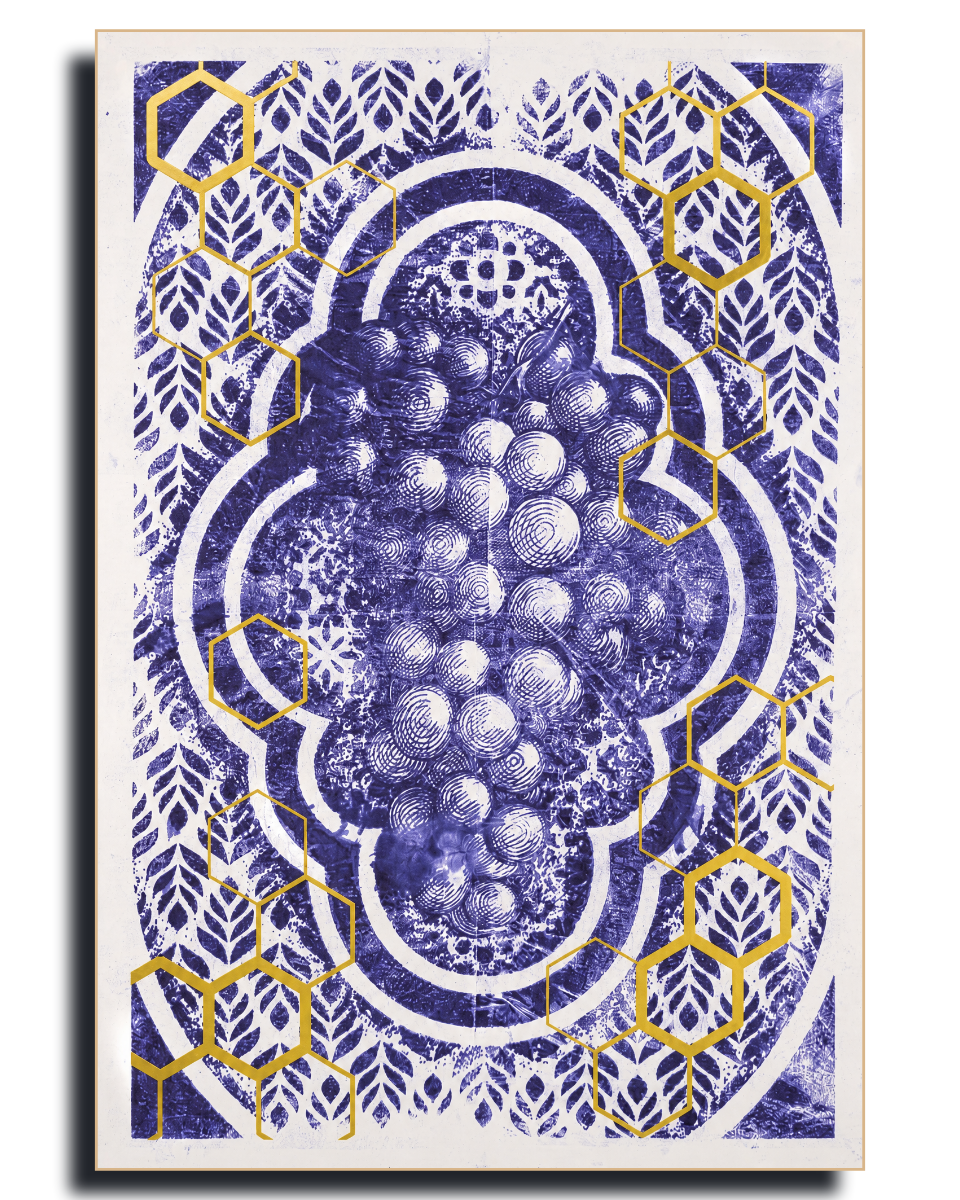
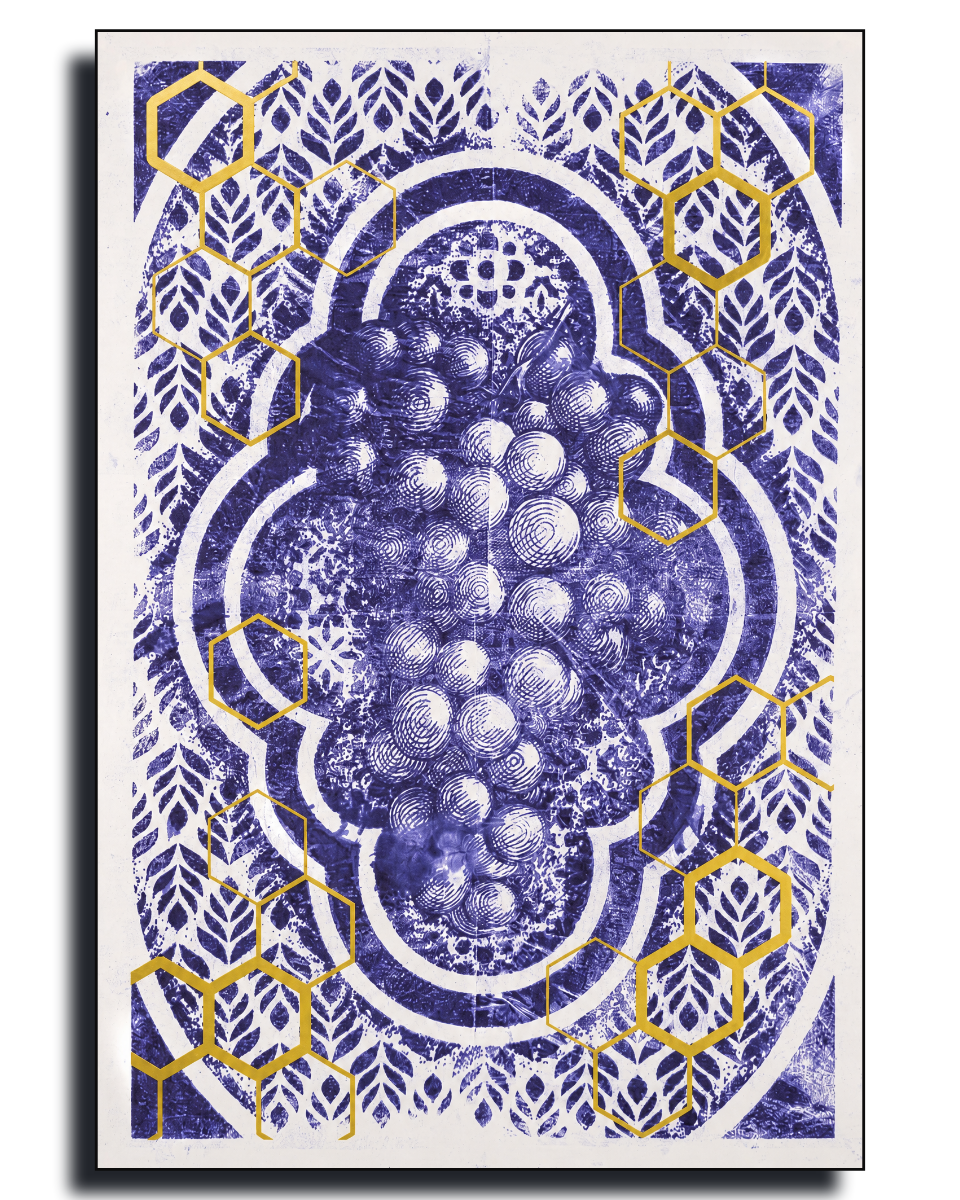
Budou - Grapes | Fine Art Wall Print | Tattoo Art | Limited 50/50
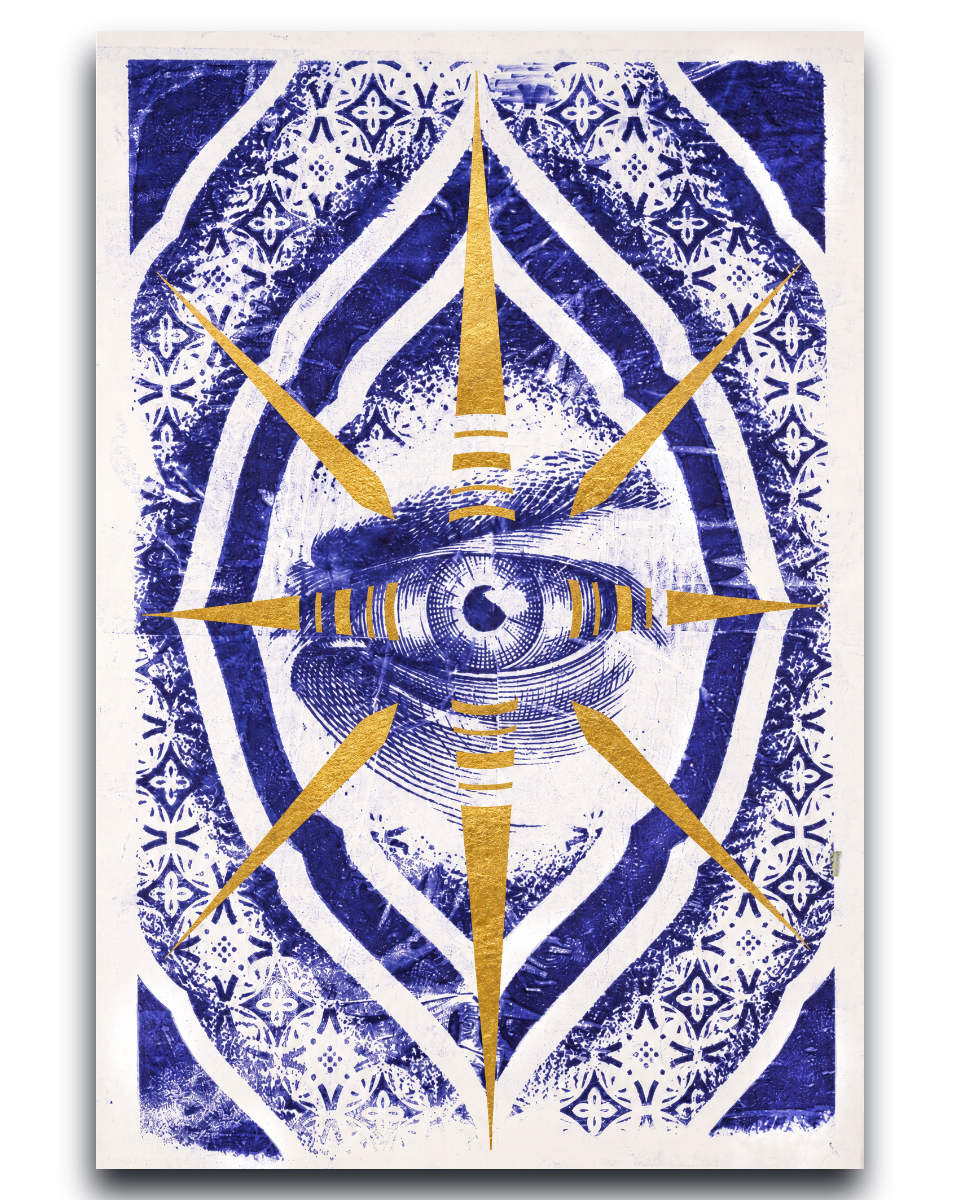
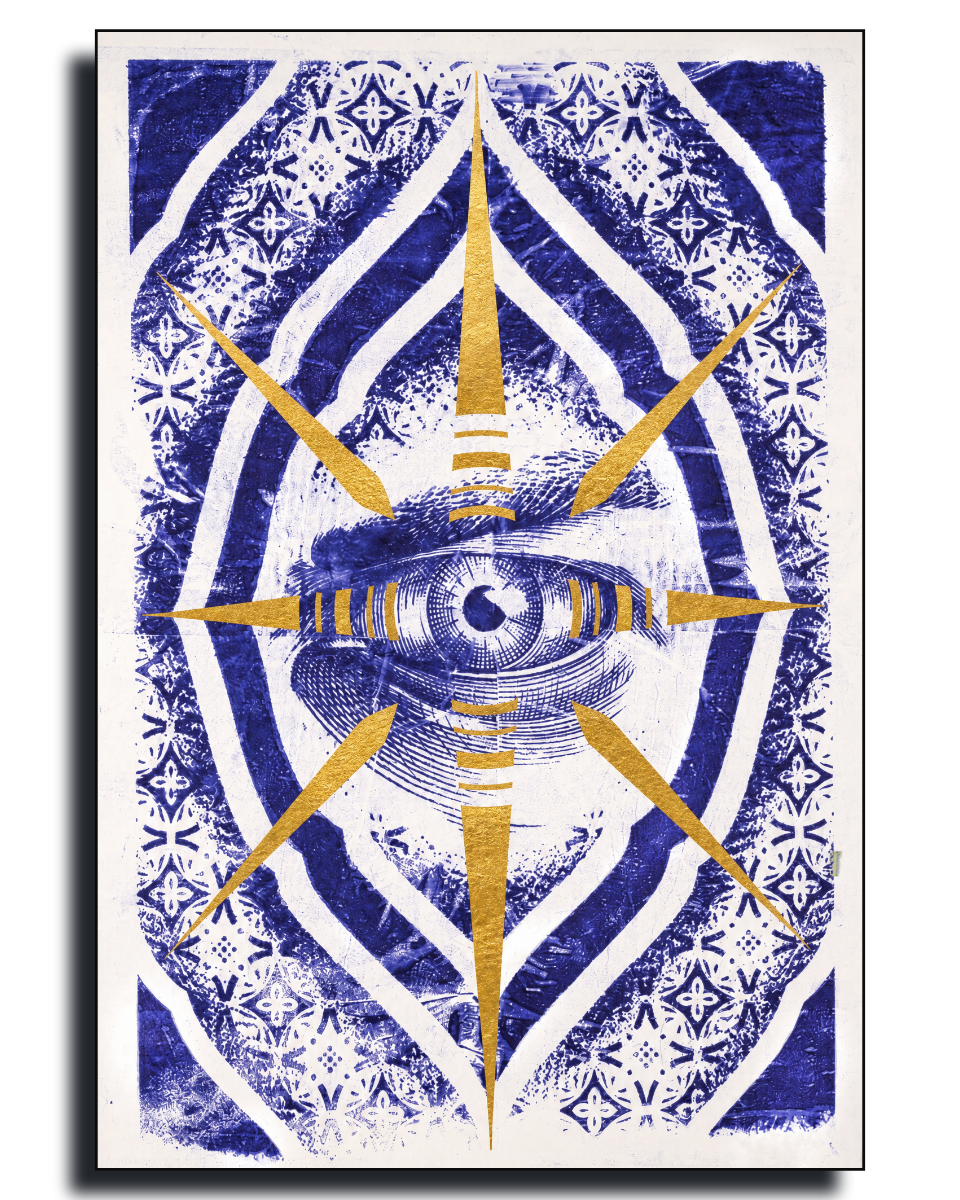
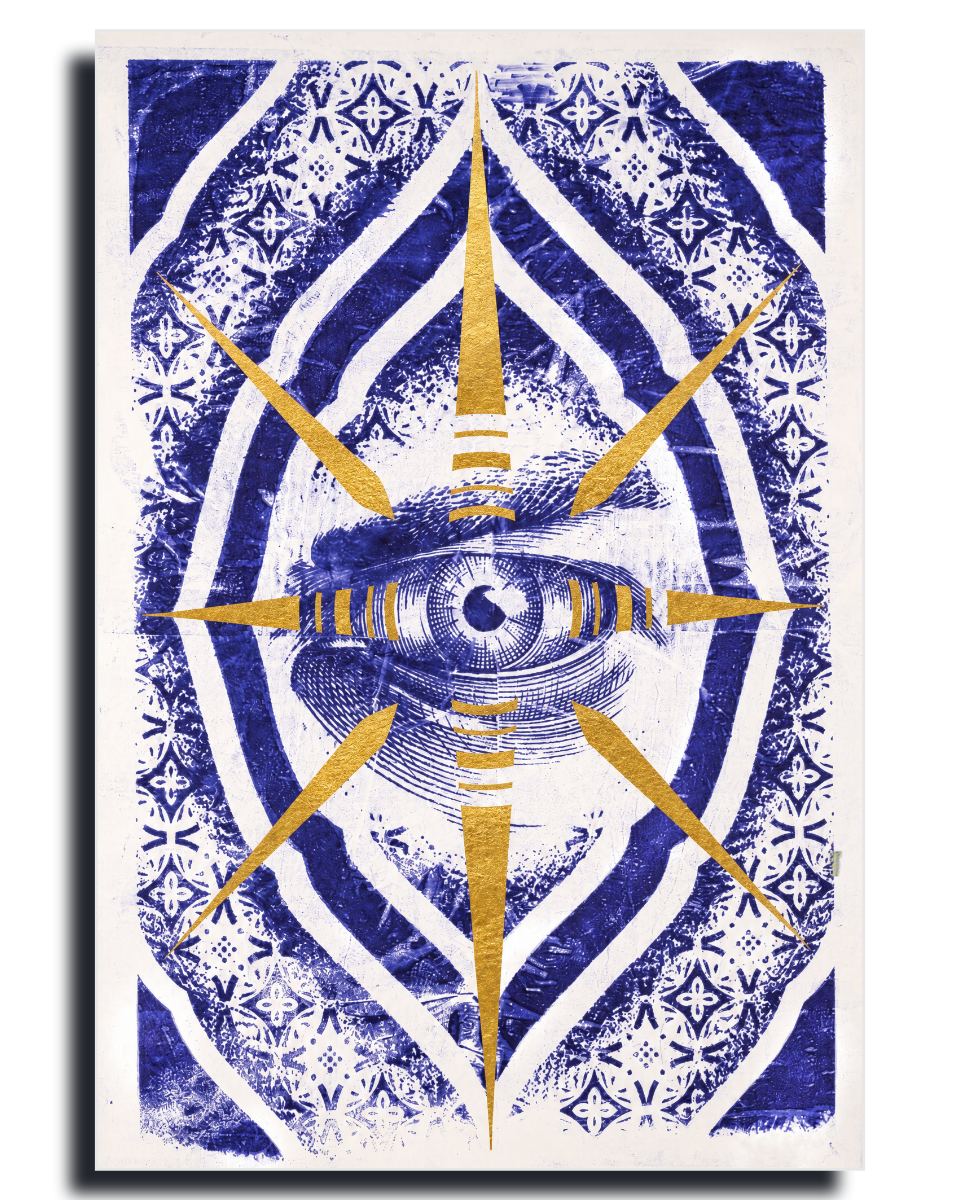
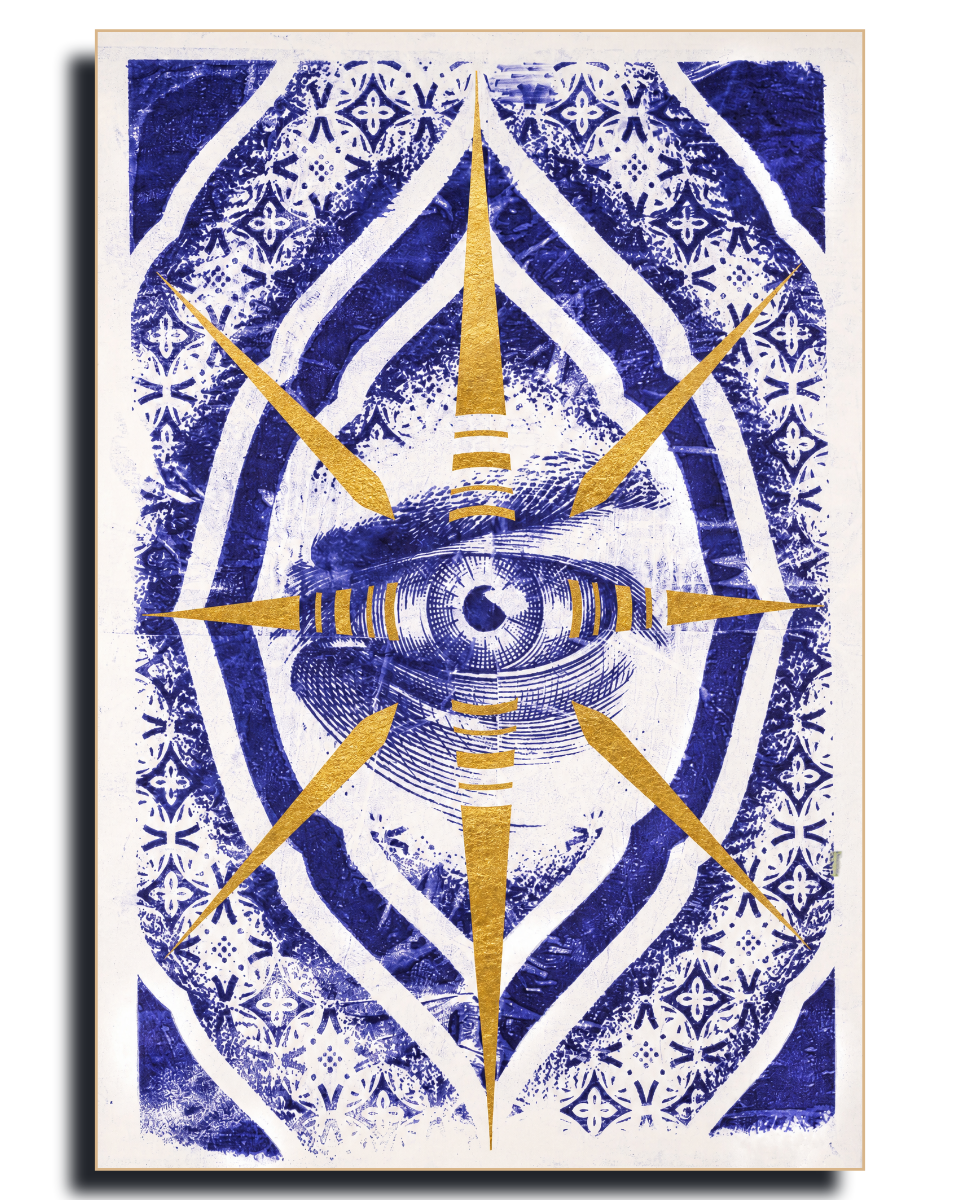
Shippou - The Seven Treasures | Fine Art Wall Print | Tattoo Art | Limited 100/100
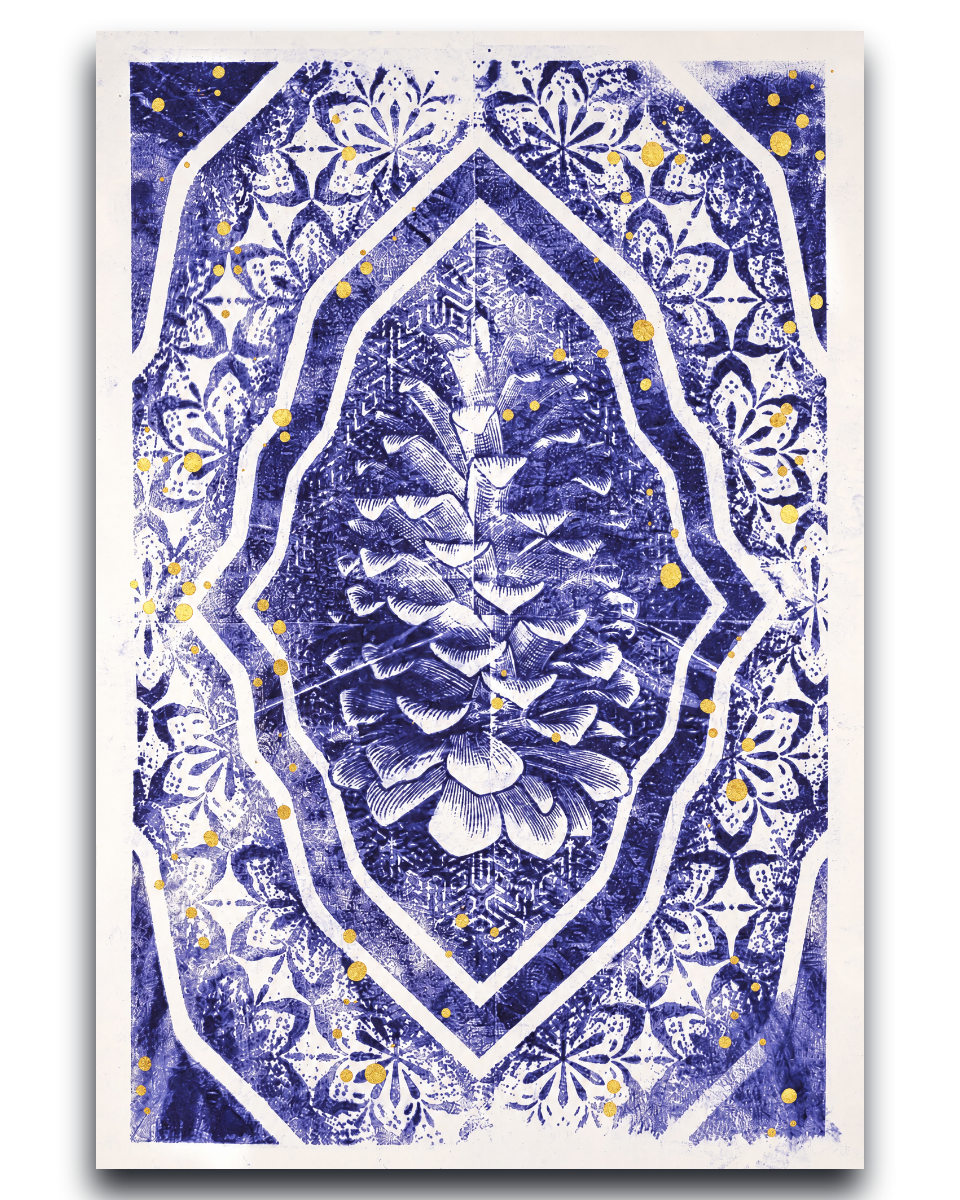
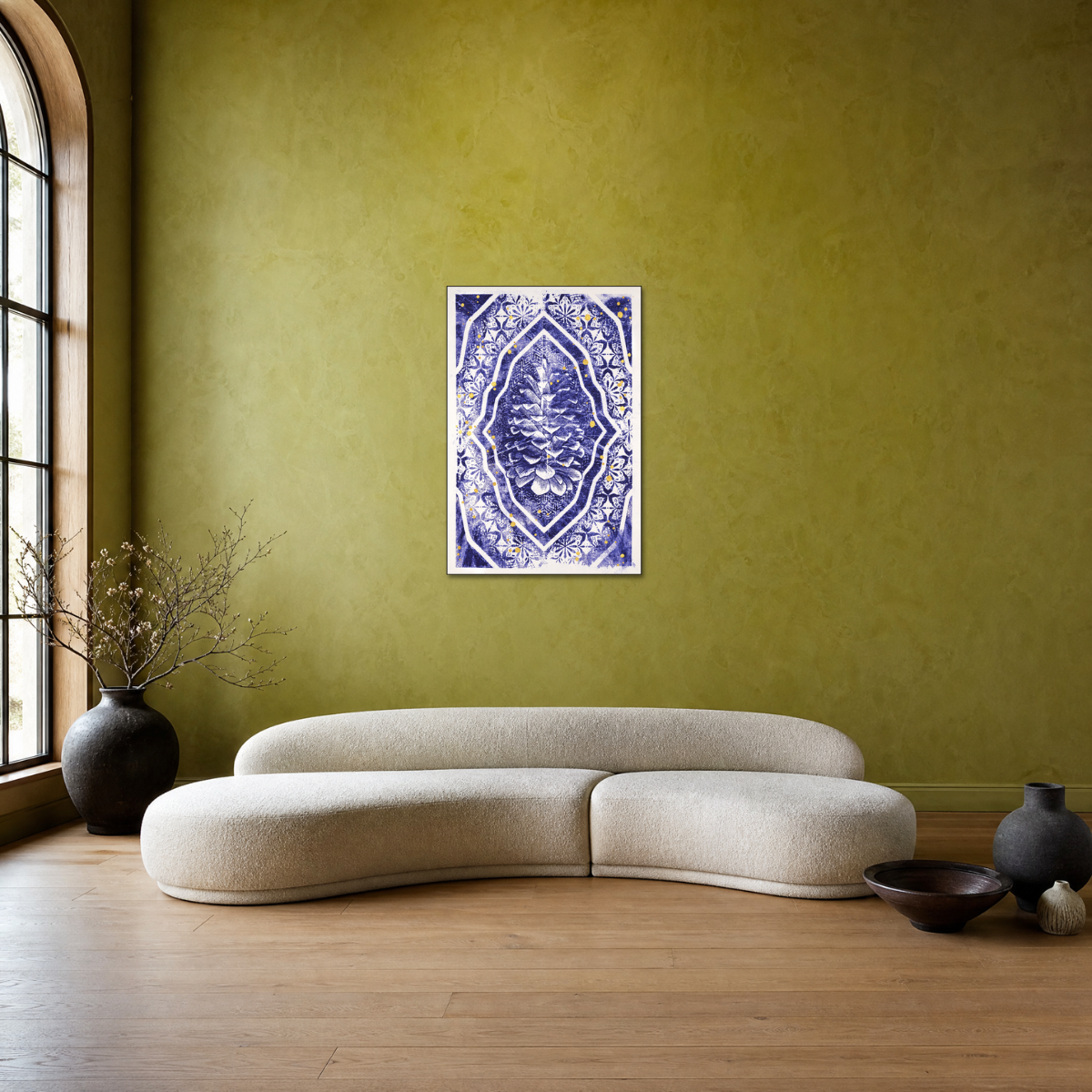
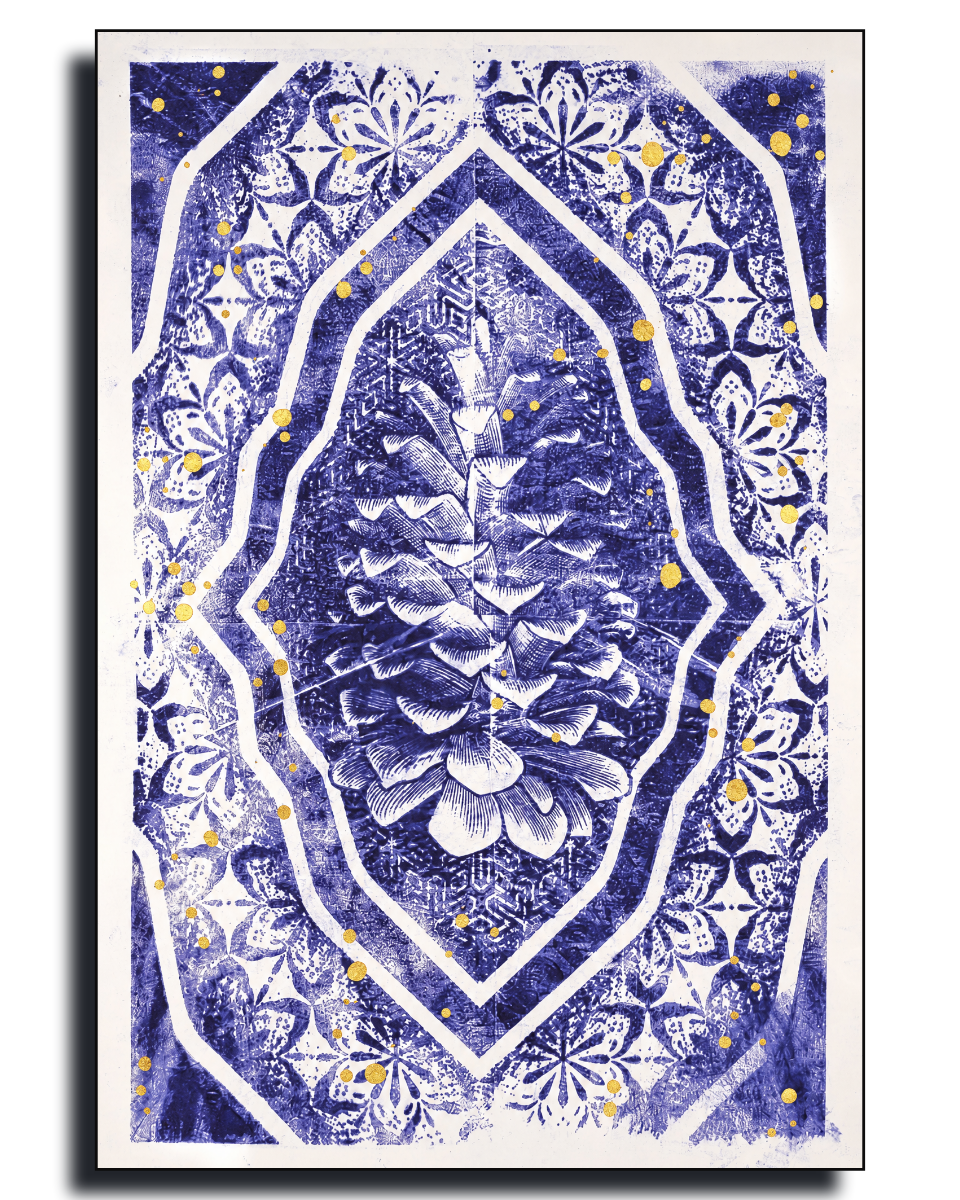
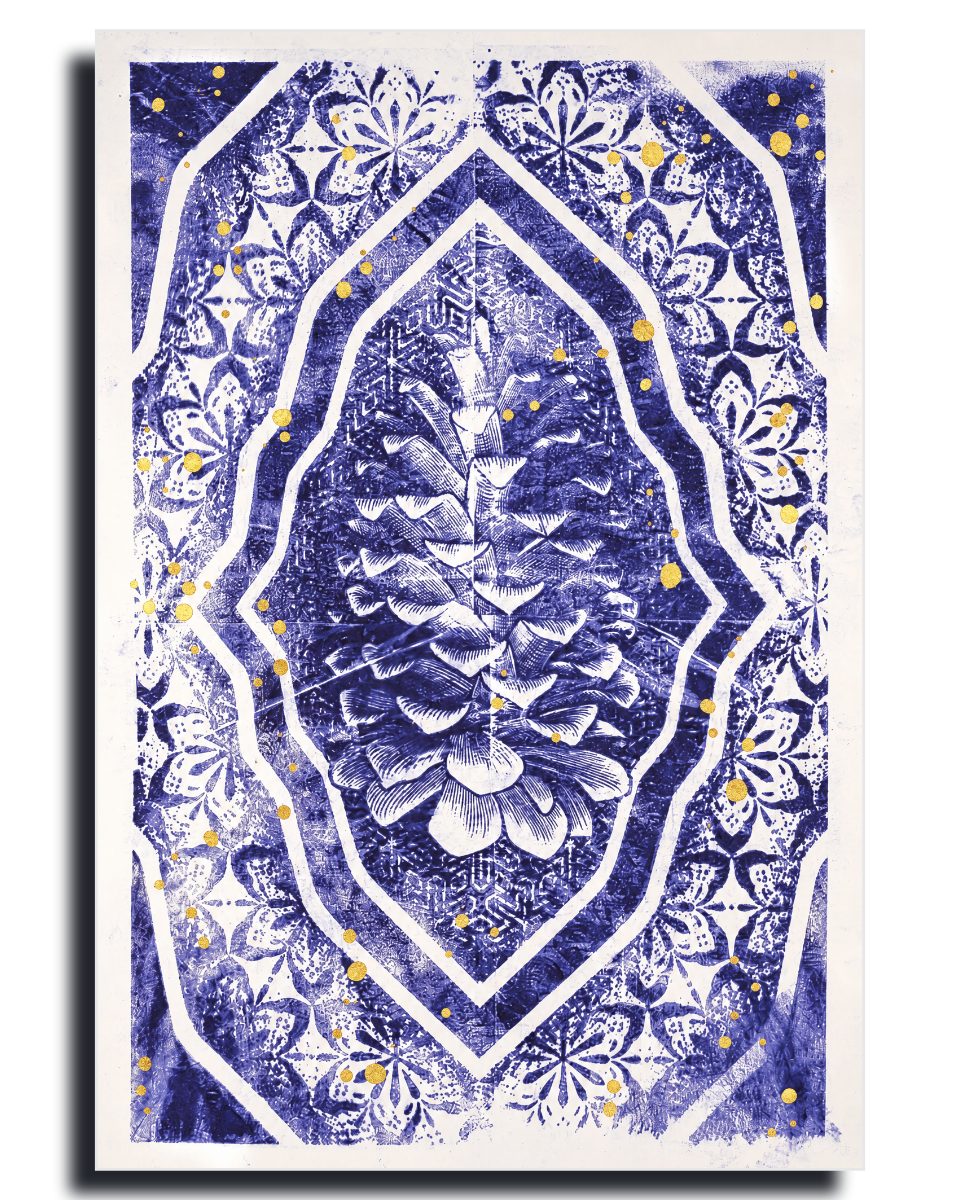
Matsukasa - Pinecone | Fine Art Wall Print | Tattoo Art | Limited 100/100
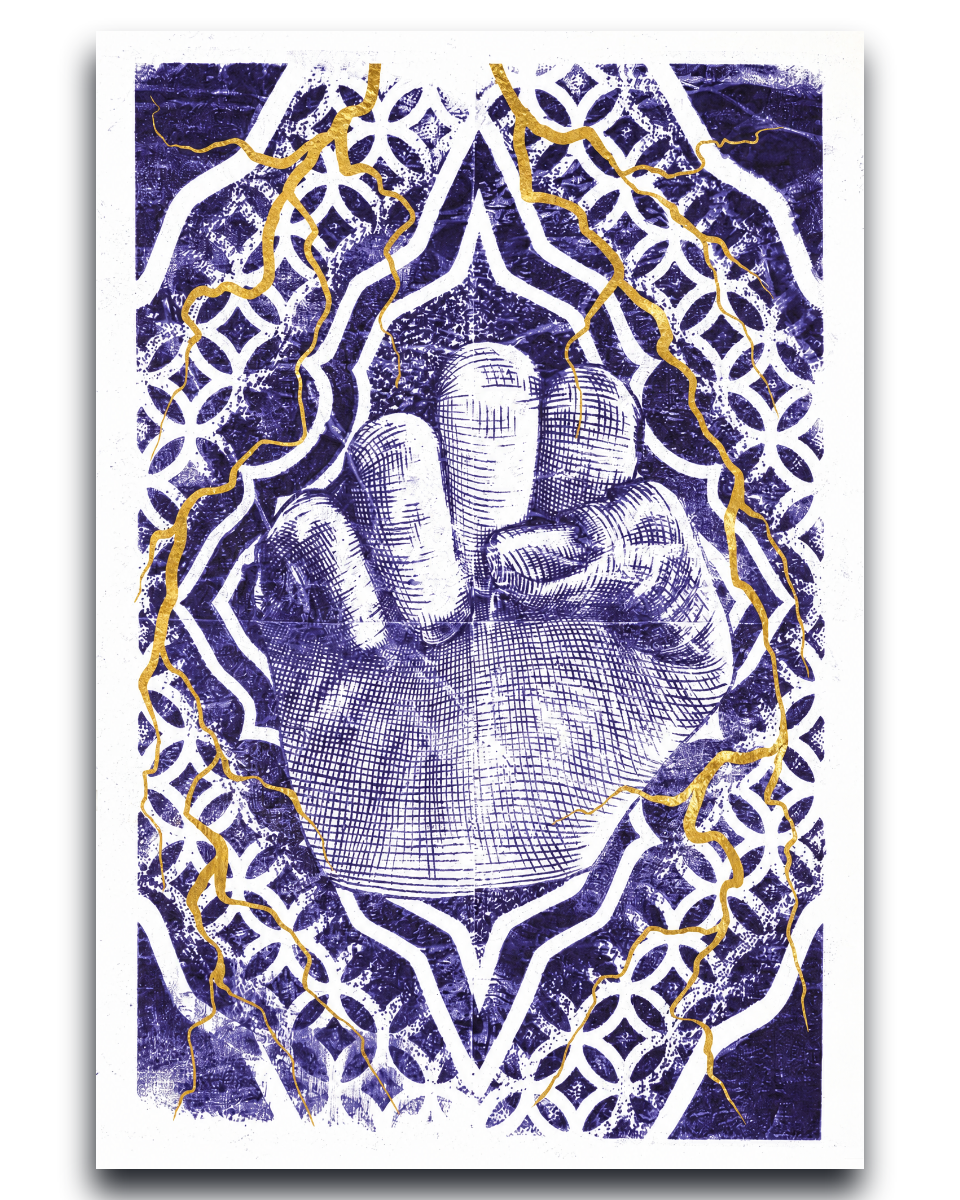
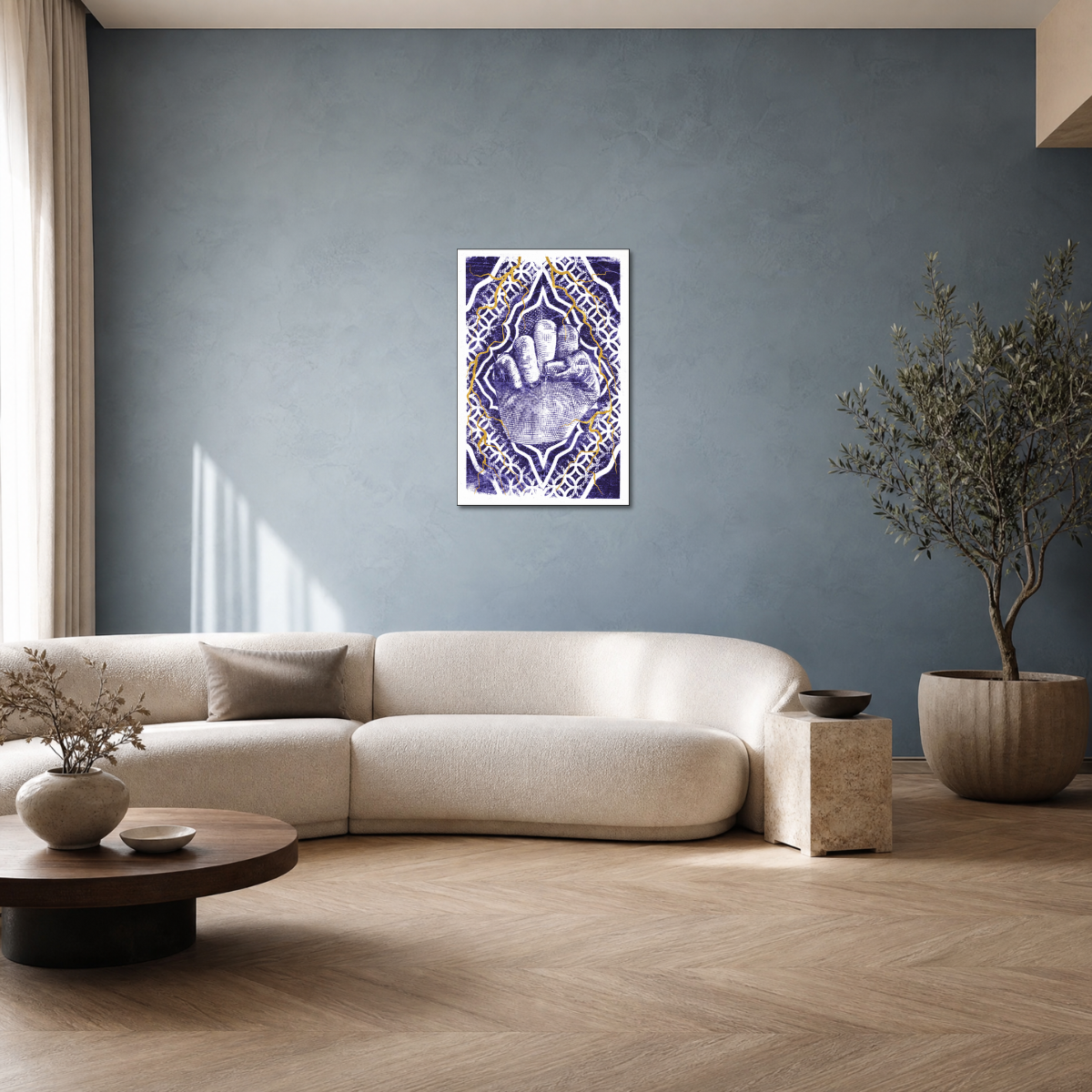
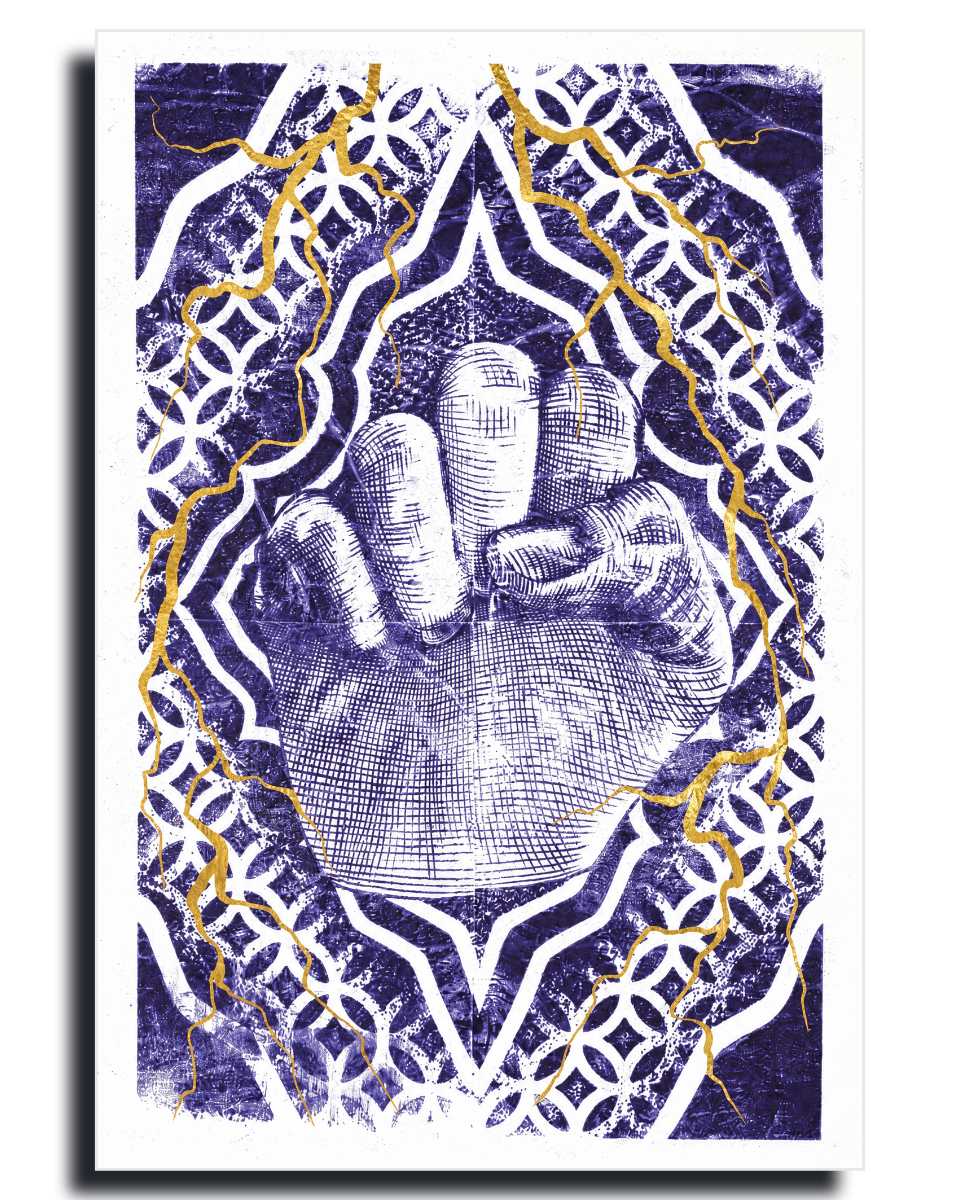
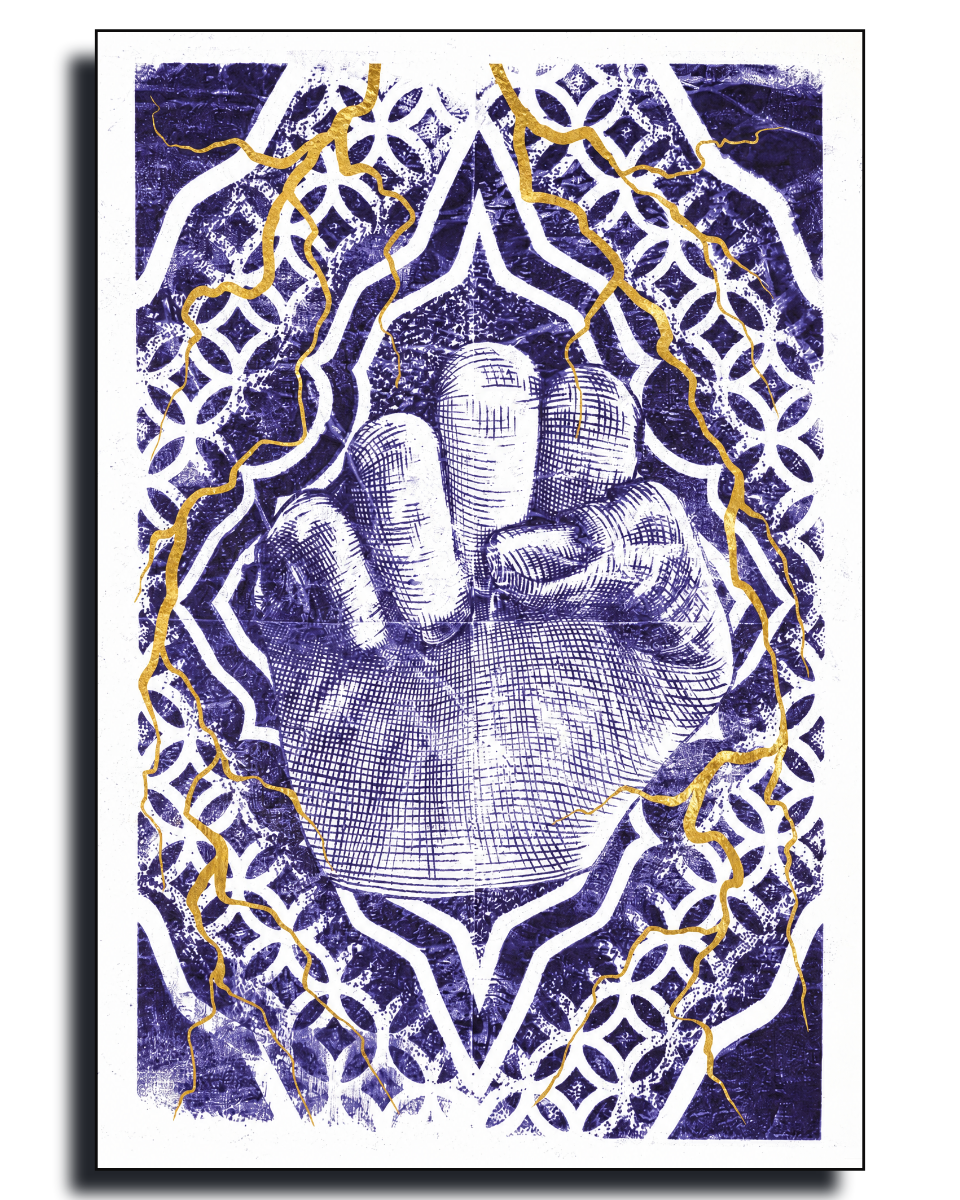
Kensho - Spirit of Strength | Fine Art Wall Print | Tattoo Art | Limited 300/300

Mastilnica & Dimitriyan
Mastilnica is a tattoo parlour established in 2014 by Dimitriyan Ivanov and Nikola Ivanov. Each one of its artists has a unique and personal style of tattooing. Mastilnica is the first studio in Sofia which introduces minimalistic, linear - graphic styles of tattooing.
Tattoo Art by Dimitirian
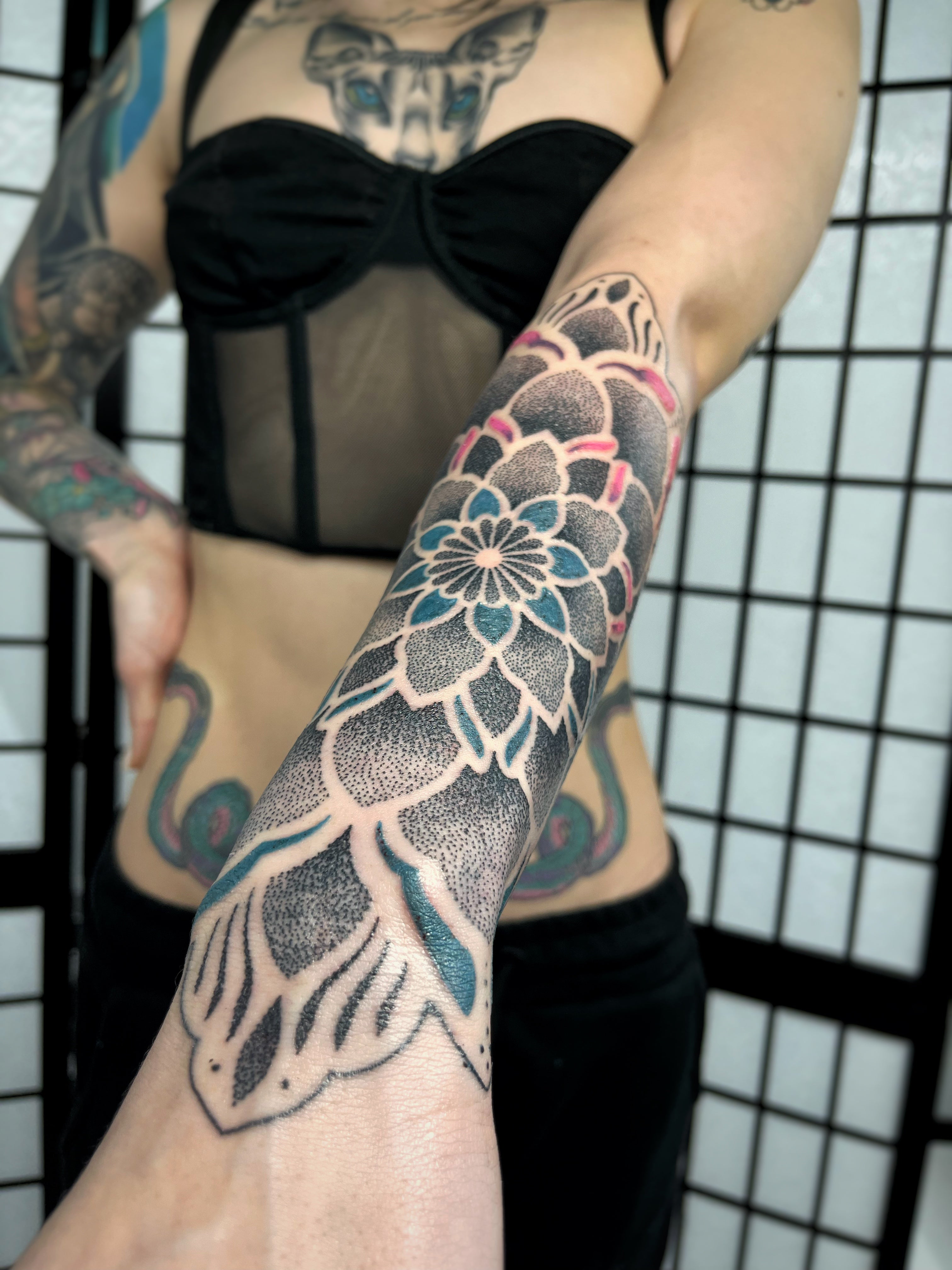
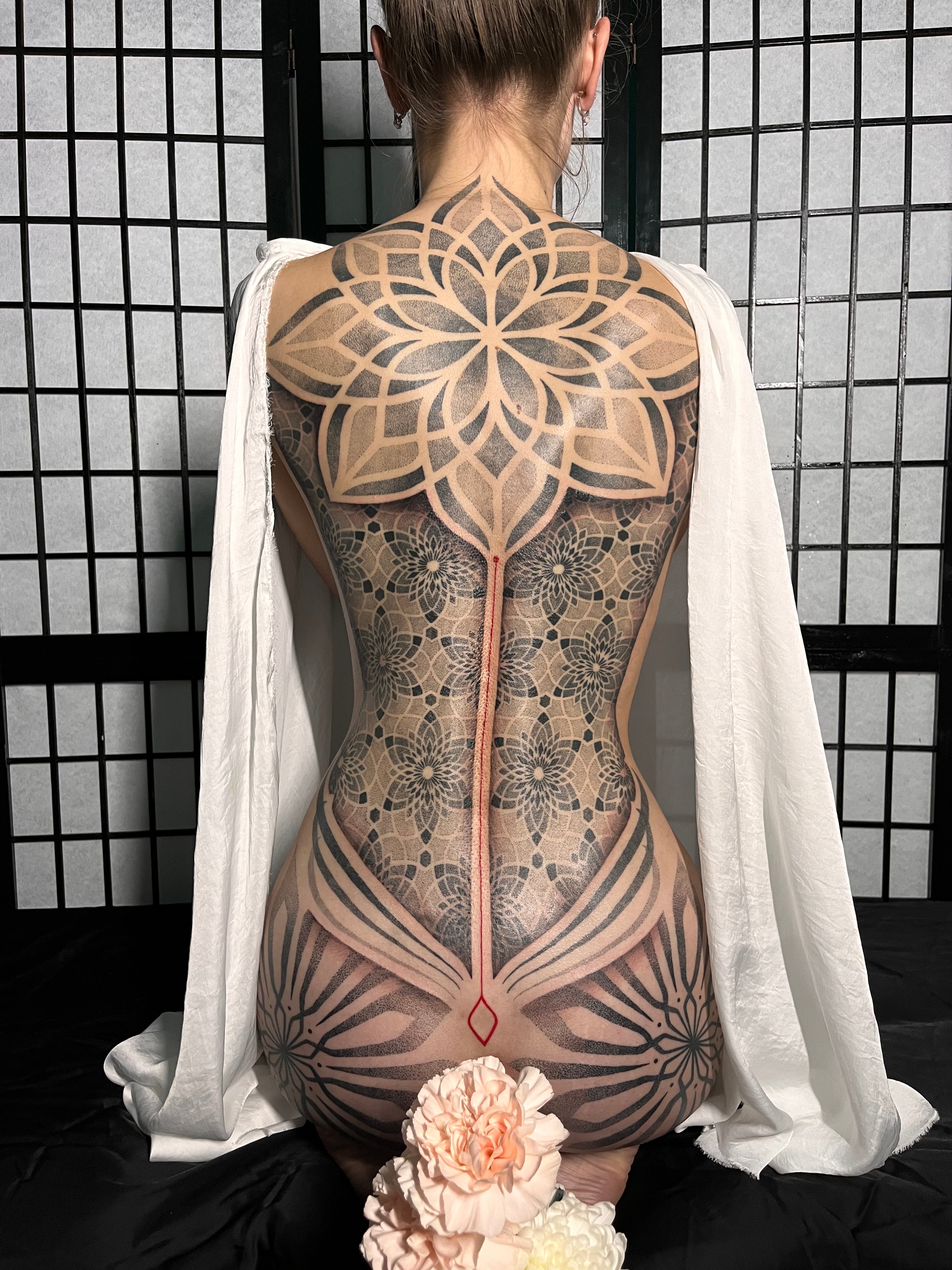
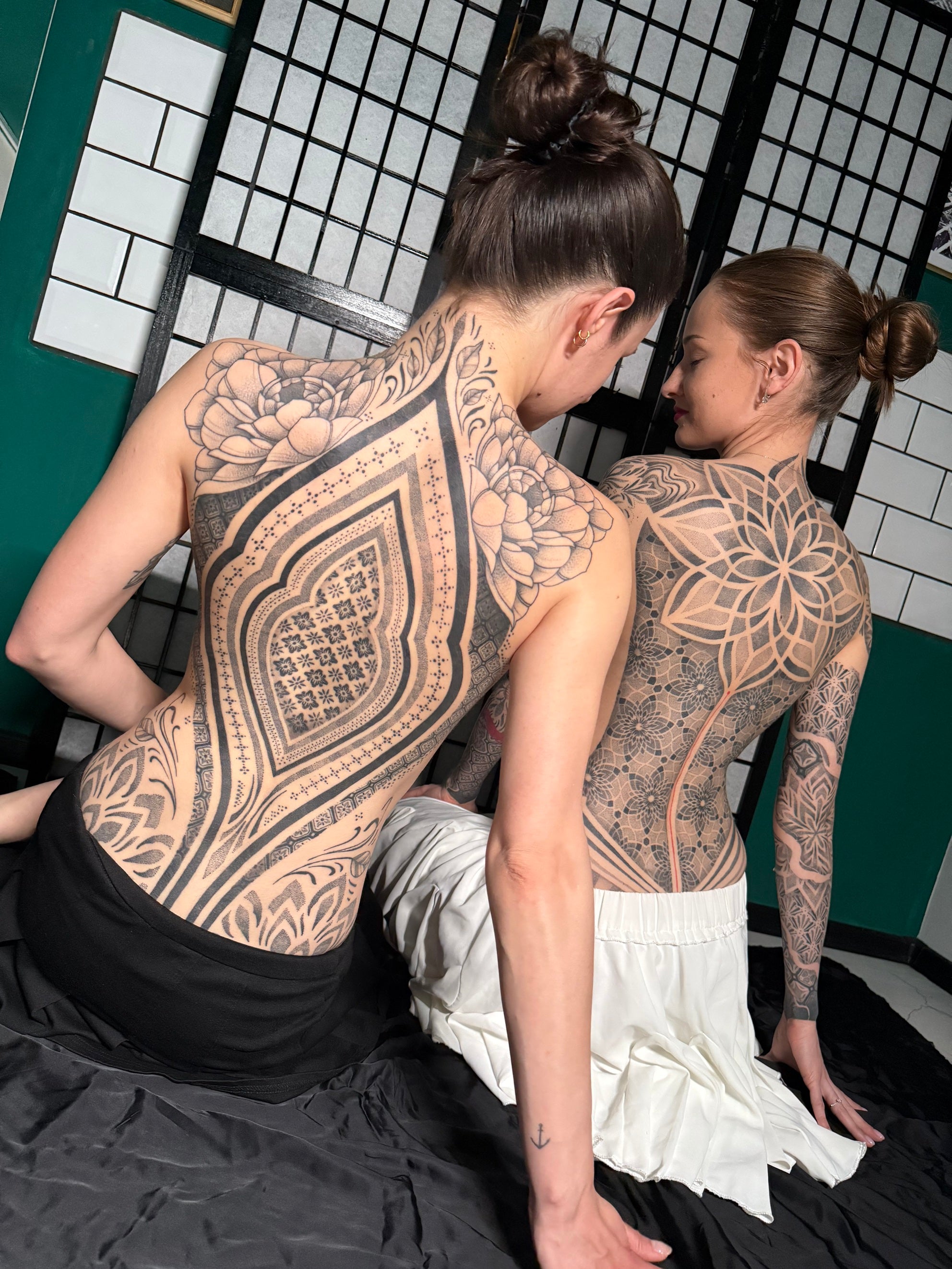
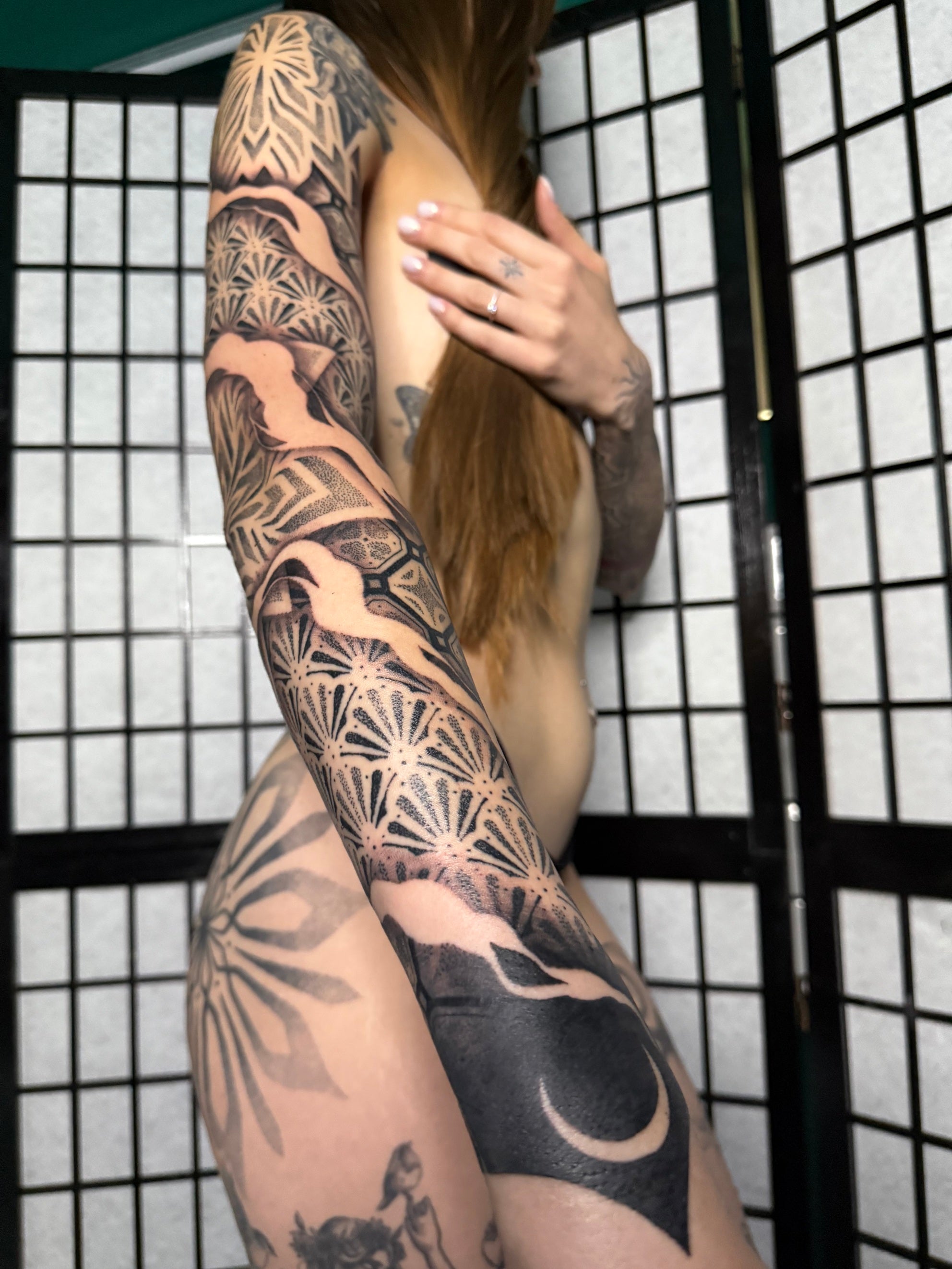
Dimitriyan Ivanov
The Contemporary Graphic Art Collection by Dimitriyan Ivanov explores the intersection of tattoo culture, symbolism, and modern visual art. As the co-founder of Mastilnica, one of Bulgaria’s most influential tattoo studios, Dimitriyan has spent over a decade transforming personal stories into meaningful artistic expressions through his distinctive minimalist, graphic, and line-based style.
Founded in 2014, Mastilnica was among the first studios in Sofia to introduce contemporary minimalistic and graphic tattoo aesthetics, helping shape a new generation of visual culture. Drawing inspiration from the symbolism, emotional depth, and human connection inherent in tattooing, Dimitriyan creates artworks that extend beyond skin and into contemporary living spaces.
As an artist at Gito Art & Home, he brings this unique perspective into a collection of collectible fine art prints, where bold lines, thoughtful composition, and powerful symbolism merge into striking contemporary wall art designed to inspire, provoke, and endure.