

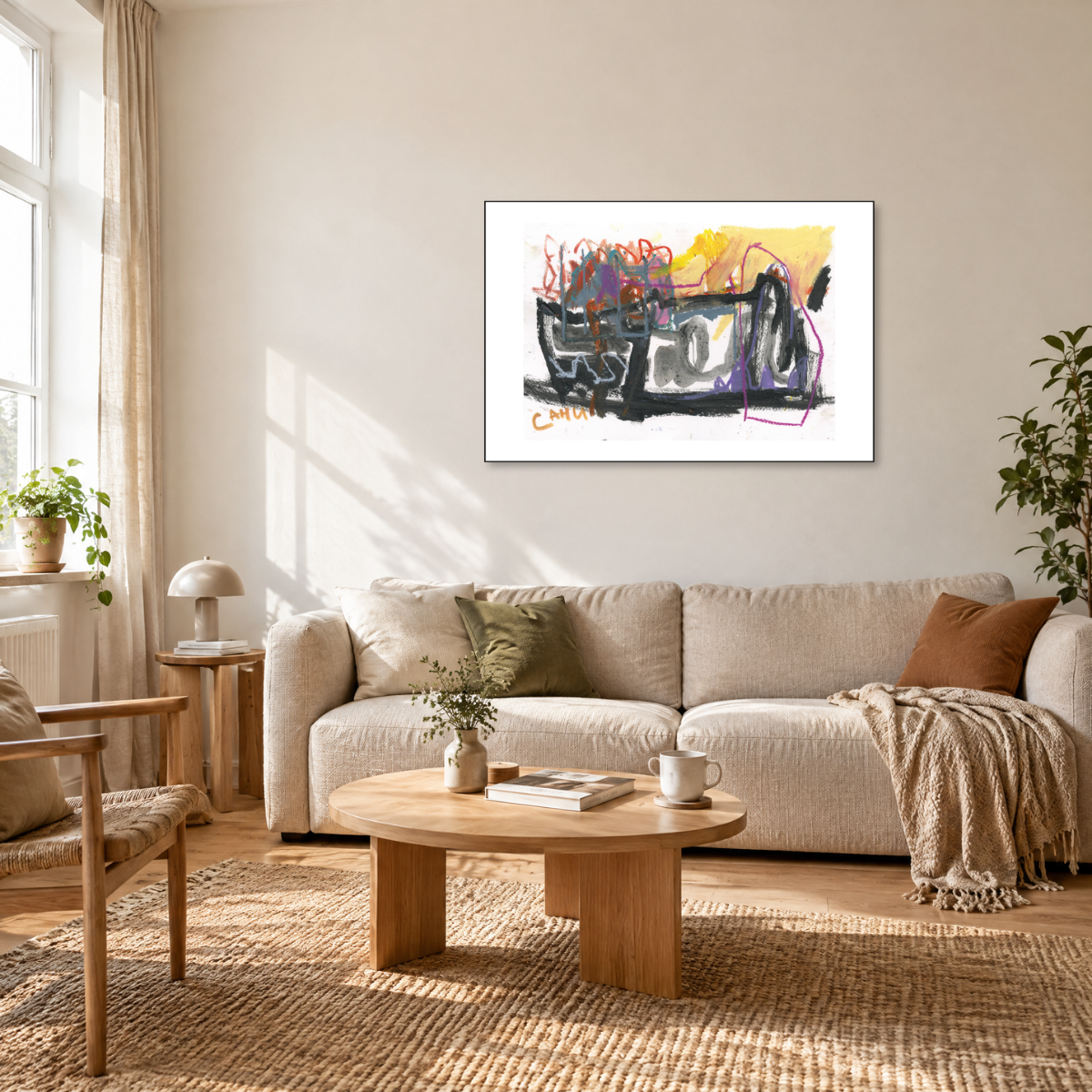
Lighting is one of the most influential elements in home décor. Beyond merely illuminating a space, it shapes mood, highlights architectural features, defines zones, and enhances the overall aesthetic. Proper lighting balances functionality with style, ensuring that each room is both visually appealing and comfortable to live in.
The right lighting design transforms a room from ordinary to extraordinary. It affects how colors appear, how textures are perceived, and how people feel within a space. Understanding the principles of lighting, choosing appropriate fixtures, and layering different types of light are essential for creating a home that is both practical and beautiful. This article explores the role of lighting in home décor, providing guidance for selecting, arranging, and integrating lighting throughout your home.
Understanding the Importance of Lighting
Functionality and Practicality
Lighting serves functional purposes, including visibility, task completion, and safety. Task lighting is essential in areas like kitchens, home offices, and reading nooks, where precise illumination supports productivity. Ambient lighting provides overall illumination, ensuring spaces are well-lit and comfortable, while accent lighting highlights decorative features or architectural details.
Mood and Atmosphere
Lighting directly influences the mood of a room. Soft, warm lighting creates a cozy, intimate ambiance, ideal for bedrooms and living areas. Bright, cooler light energizes spaces, making it suitable for work areas or kitchens. Adjustable lighting, such as dimmers, allows flexibility to shift the mood from lively to relaxing as needed.
Perception of Space
Strategic lighting can alter the perception of size and depth in a room. Well-placed lights can make small rooms feel larger, highlight high ceilings, and emphasize textures or patterns. Layered lighting ensures that spaces feel dynamic and inviting rather than flat or monotonous.

Types of Lighting in Home Décor
Ambient Lighting
Ambient lighting provides overall illumination for a room. It comes from ceiling fixtures, chandeliers, recessed lights, or wall-mounted fixtures. Its purpose is to create a base layer of light, ensuring the room is functional and comfortable. Soft, evenly distributed ambient lighting sets the foundation for additional layers.
Task Lighting
Task lighting is focused illumination for specific activities. Desk lamps, under-cabinet kitchen lights, and reading lights are examples. Task lighting reduces eye strain, improves accuracy, and enhances efficiency in areas where precision or concentration is required. Proper task lighting combines functionality with style, often becoming a design feature in its own right.
Accent Lighting
Accent lighting highlights architectural features, artwork, or decorative elements. Spotlights, wall washers, and LED strips draw attention to specific areas, creating visual interest. Accent lighting adds drama and depth, making a room feel curated and intentional. Combining ambient, task, and accent lighting ensures a layered, dynamic environment.
Choosing the Right Light Fixtures
Ceiling Fixtures
Ceiling fixtures, including chandeliers, pendant lights, and flush-mount fixtures, provide primary illumination and often act as statement pieces. The style, size, and height of ceiling fixtures should complement the room’s scale, décor, and function. A large chandelier may suit a spacious living room, while a minimalist pendant works for a compact dining area.
Wall and Floor Lamps
Wall sconces and floor lamps offer flexibility, providing supplemental lighting and enhancing ambiance. Wall-mounted lights can free floor space while highlighting textures or artwork. Floor lamps add verticality, fill dark corners, and can be easily repositioned to suit changing needs.
Table and Desk Lamps
Table and desk lamps provide localized illumination, ideal for reading, work, or decorative purposes. Choosing lamps that match the room’s style—modern, traditional, or eclectic—ensures cohesion. Lampshade color and material influence light diffusion, affecting both brightness and mood.
The Role of Natural Light
Maximizing Sunlight
Natural light is essential for creating bright, welcoming spaces. Large windows, glass doors, and skylights allow sunlight to penetrate rooms, enhancing the perception of openness. Positioning furniture to take advantage of natural light improves functionality and comfort while reducing the need for artificial lighting during the day.
Window Treatments and Light Control
Curtains, blinds, and shades help control the intensity and direction of natural light. Sheer curtains soften sunlight, reducing glare, while blackout options provide privacy and darkness for rest. Layered window treatments allow flexibility, adapting lighting to time of day and desired atmosphere.
Seasonal Considerations
The quality and angle of natural light change with the seasons. Planning lighting to supplement natural daylight ensures consistent brightness year-round. Mirrors and reflective surfaces can enhance natural light, spreading it evenly and increasing perceived space.

Color Temperature and Light Quality
Warm vs. Cool Light
Light color temperature, measured in Kelvins, affects mood and perception. Warm light (2,700–3,000K) creates a cozy, inviting ambiance, suitable for living rooms and bedrooms. Cool light (3,500–5,000K) promotes focus and clarity, ideal for workspaces, kitchens, and bathrooms. Understanding color temperature helps match lighting to room function.
Color Rendering Index (CRI)
CRI measures how accurately a light source reveals colors. Higher CRI (80+) ensures colors in décor, artwork, and textiles appear true to life. Proper color rendering is particularly important in kitchens, living rooms, and areas where design aesthetics are crucial.
Dimmable and Adjustable Lighting
Dimmable fixtures allow control over brightness, adapting to different activities and times of day. Adjustable lighting enhances versatility, enabling a room to transition from bright work mode to relaxed evening ambiance. Incorporating dimmers, smart bulbs, or multi-level switches adds both functionality and style.
Layering Light for Depth and Interest
Combining Ambient, Task, and Accent Lighting
Layered lighting creates a dynamic, visually appealing environment. Start with ambient lighting for overall brightness, add task lighting for functionality, and include accent lighting to highlight focal points. Layering enhances depth, dimension, and flexibility, allowing rooms to adapt to different needs.
Highlighting Architectural Features
Use lighting to emphasize architectural details, such as molding, columns, or exposed beams. Recessed lights, wall washers, or uplights draw attention to textures and shapes, adding sophistication and character to the space.
Creating Zones with Light
Lighting can define functional areas within a room. Pendant lights over a dining table, desk lamps in a workspace, and floor lamps in a reading corner visually separate zones, guiding movement and usage while maintaining cohesion.
Integrating Lighting with Interior Design
Matching Fixtures to Style
Lighting fixtures should complement the room’s overall design. Modern, minimalist, industrial, traditional, or eclectic interiors benefit from fixtures that reflect the style language. Coordinated lighting enhances visual harmony and reinforces the desired aesthetic.
Statement Pieces and Decorative Lighting
Chandeliers, sculptural lamps, and artistic pendants serve as both functional and decorative elements. Statement lighting draws attention and adds personality, transforming a simple room into a visually compelling space.
Smart Lighting and Automation
Smart lighting systems enable remote control, scheduling, and customization of color and brightness. Integration with home automation allows lighting to adapt to time of day, activity, or mood, providing convenience and energy efficiency without sacrificing style.

Outdoor and Landscape Lighting
Enhancing Exterior Spaces
Outdoor lighting extends the home’s décor into gardens, patios, and balconies. Path lights, wall sconces, string lights, and lanterns create ambiance while ensuring safety. Outdoor lighting enhances usability and aesthetic appeal, making exterior spaces welcoming after dark.
Highlighting Landscaping
Spotlights and uplights can emphasize plants, trees, or water features, creating focal points and visual interest. Well-placed lighting highlights textures and layers within the garden, adding depth and sophistication to outdoor décor.
Energy Efficiency Considerations
LED and solar-powered lighting reduce energy consumption while providing effective illumination. Sustainable lighting solutions contribute to eco-friendly design without compromising style or function.
Maintaining and Updating Lighting
Regular Cleaning and Maintenance
Dust and dirt reduce the effectiveness of lighting. Regularly clean fixtures, bulbs, and lampshades to maintain brightness and longevity. Replace bulbs promptly to ensure consistent illumination throughout the home.
Updating Fixtures for Style Refresh
Changing light fixtures is a cost-effective way to update décor. Swapping pendants, table lamps, or chandeliers can dramatically alter the mood and aesthetic of a room without major renovations.
Adapting to Evolving Needs
As lifestyle and activities change, adjust lighting to suit new requirements. Adding task lighting for a home office or layering accent lights for entertaining areas ensures your home remains functional, stylish, and comfortable.
Lighting plays a pivotal role in home décor, shaping mood, enhancing style, and ensuring functionality. By understanding the principles of ambient, task, and accent lighting, selecting appropriate fixtures, and layering light thoughtfully, you can transform spaces into dynamic, inviting, and visually appealing environments.
Natural light, color temperature, and fixture placement all influence perception, comfort, and ambiance. Integrating lighting with interior design, outdoor areas, and lifestyle needs creates cohesion and functionality throughout the home. Smart lighting solutions, energy-efficient choices, and adaptable fixtures further enhance convenience and sustainability.
Ultimately, lighting is both a practical necessity and a powerful design tool. When chosen and implemented thoughtfully, it elevates every room, highlighting textures, colors, and features while creating spaces that are functional, welcoming, and inspiring. Proper lighting transforms a house into a home—illuminating style, enhancing comfort, and enriching daily life.
What Does Fresco Mean in Art? A Simple Explanation
Why Aren't Fresco Paintings Easily Affected by Moisture?